January 6, 2026
One of the founding principles of organic farming is continuous improvement. Traditionally, this principle has referred to on-farm practices—farmers striving for better ecological outcomes, healthier animals, improved soil health, and systems more resilient to extreme weather. Increasingly, however, this same idea is being applied to the organic certification process itself. Farmers, inspectors, and certifiers are now asking: How can we improve the way we certify organic farms and facilities? What parts of the process work well, and what parts need to change?
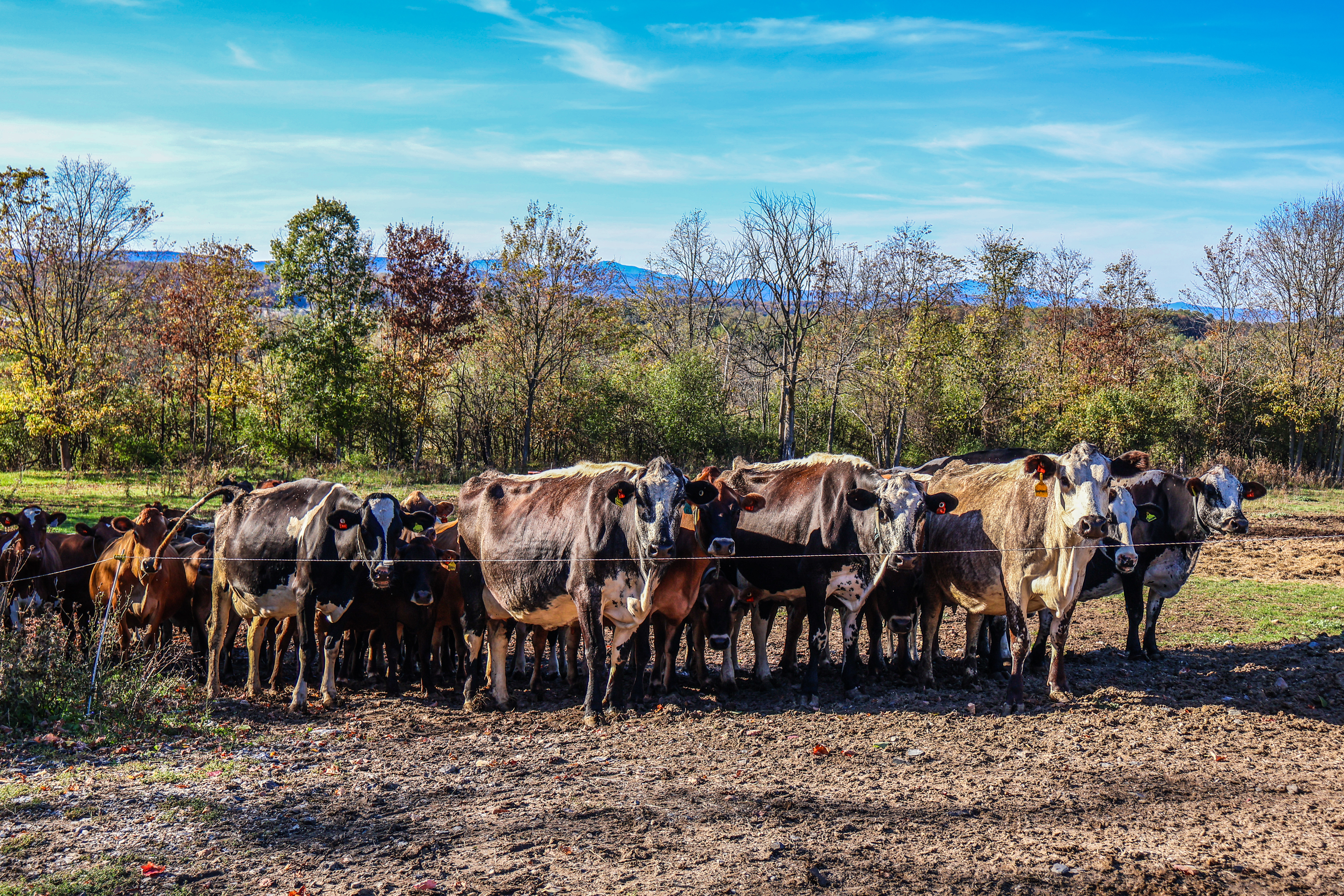
Over the past five years, a series of new organic regulations—while grounded in good intentions—have significantly increased the administrative and compliance burden for organic producers. These updates were meant to address fraud and close long-standing loopholes in the rules, which were largely exploited by large corporately owned organic businesses. For example, the Origin of Livestock (OOL) rule, implemented in 2022, eliminated the practice of raising youngstock conventionally and then “transitioning” them into organic production. This was a positive step that created a more level playing field by requiring all farms, large and small, to raise young animals organically from the start. However, the impact is that the new rule also requires certifiers to collect and verify additional information, and adds time to inspections as livestock movements and purchases require more careful review.
In 2024, the National Organic Program (NOP) also implemented Strengthening Organic Enforcement (SOE), the most sweeping rule change since its founding. Designed to deter fraud, SOE expanded the scope of who must be certified, increased recordkeeping requirements, and introduced new fraud-prevention expectations for all operations. These changes directly support organic integrity, but they also resulted in more complex applications and longer, more detailed onsite inspections. As a result, many producers now must navigate growing layers of paperwork, new verification steps, and shifting interpretations—changes that do not always translate into meaningful improvements on the ground given Vermont producers' long record for integrity and excellence.
This tension creates an important moment for reflection. If continuous improvement is truly a core principle of organic agriculture, then it must apply not only to farming practices but also to the certification process. Today, certifiers are beginning to ask a critical question: How can we strengthen organic integrity while reducing unnecessary burden? How can the system become clearer, more accessible, more efficient, and more supportive of farmers—without compromising the values at the heart of organic agriculture?
The path forward is not yet clear. There is broad agreement that unnecessary burden should be reduced, but exactly how to do that is still being explored. For instance, at a NOP certifier training in early 2025, NOP staff offered several ideas for easing workload while maintaining integrity. One example was reconsidering whether inspectors truly need to visit every field during an annual inspection, or whether inspecting a representative percentage would be sufficient. Others are raising deeper questions: Should a yearly onsite inspection be required for every operation? Could long-standing certified farms—those with 25 years of compliant history, for example—move to an every-other-year inspection cycle? And could inspections for clearly “low-risk” operations be streamlined without compromising organic integrity?
The industry has begun using terms like “risk-based certification” and “scale-appropriate certification” to describe these new ideas. Interest is strong—recently, the National Organic Coalition hosted a webinar attended by more than 150 consumers, farmers, inspectors, and certifiers to discuss strategies for reducing unnecessary certification burden. But these concepts are not without controversy. Concern for some stems from the belief that the strength of the organic label has always depended on consistency and transparency. If some operations are verified and inspected differently from others, how will that affect enforcement? Could it create a perception of unfairness or uneven oversight? Others worry that reducing paperwork or moving away from annual onsite inspections could make it harder for certifiers to detect fraud or catch small problems before they escalate.
Both sides make valid points. At Vermont Organic Farmers, we are excited about this concept and want to find ways to reduce the certification burden while maintaining organic integrity. We believe the path forward must keep those most impacted by the changes—Vermont’s farmers and small business owners—at the center of the conversation. In our experience, farmers want a certification process that maintains high integrity while eliminating requests that feel less meaningful or trivial.
As the organic community advances these conversations, it remains clear that continuous improvement applies not only to farming practices but also to the implementation of the certification process itself. Reducing certification burden should not weaken the system, but rather make it more efficient and supportive of the farms and businesses we certify. The challenge ahead is ensuring the consumer continues to value and trust the label, while ensuring the process works for farmers. The conversation is just beginning, but the commitment to improvement offers us a path forward to create a process that works better for everyone