December 8, 2025
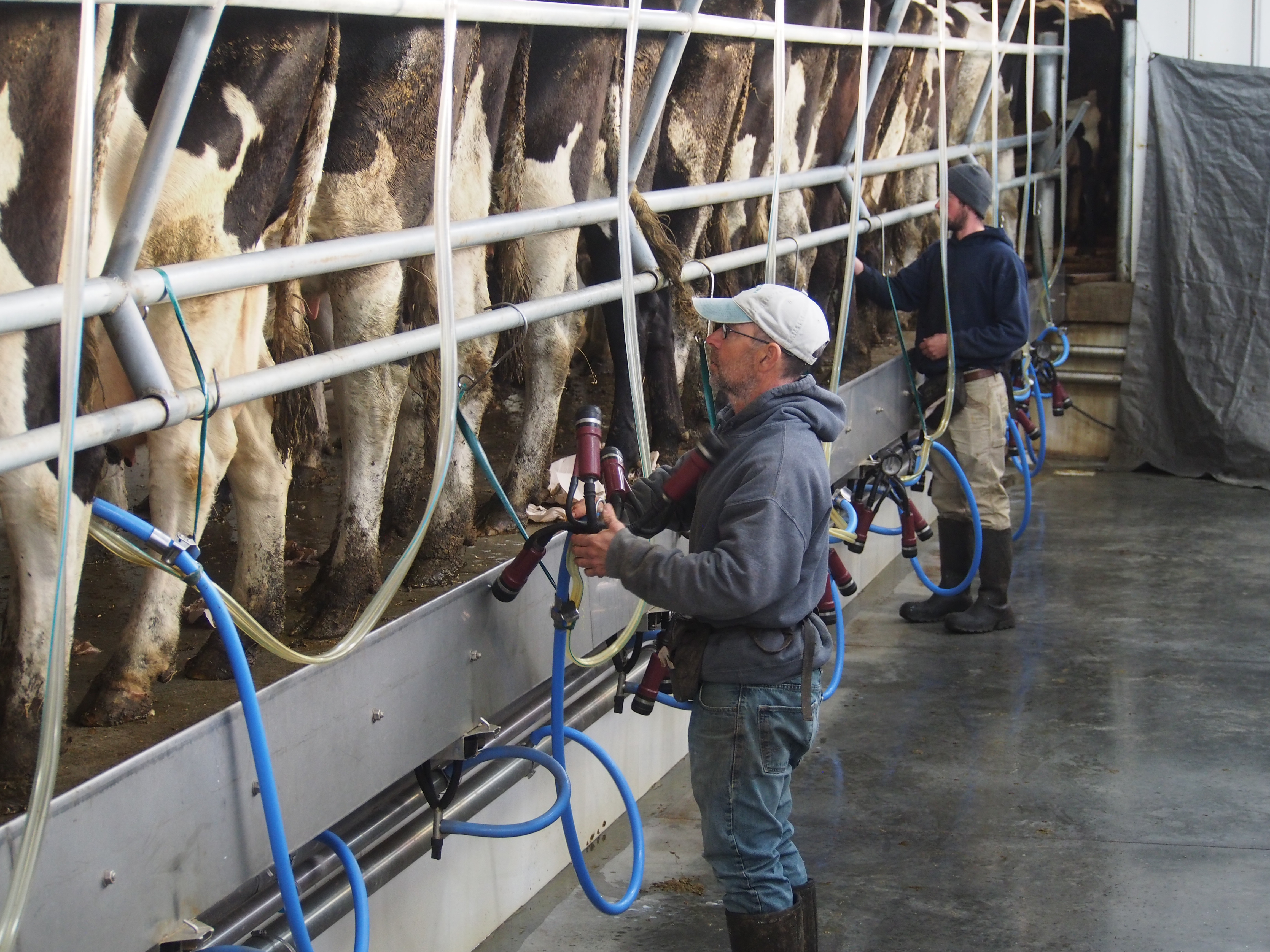
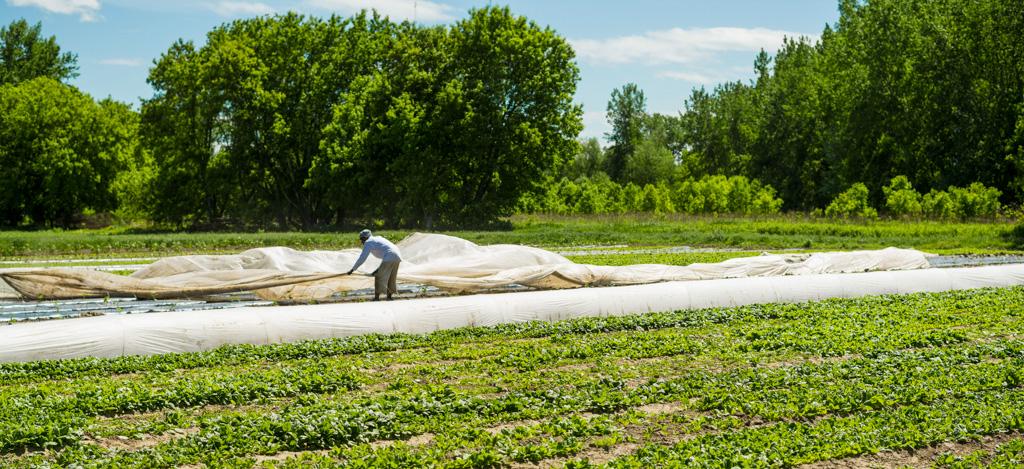
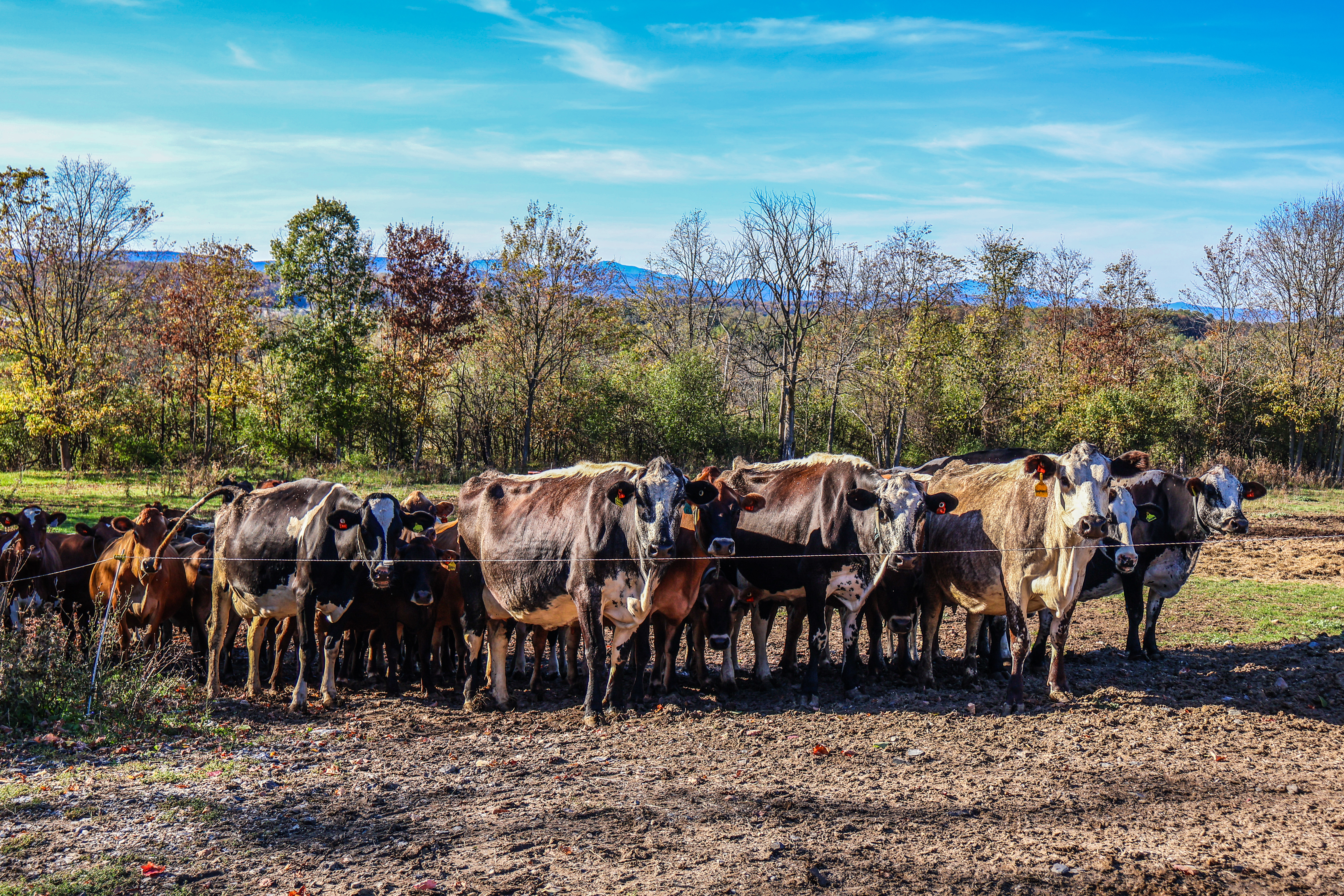
A coalition of leading organic farming and certification organizations across the Northeast is calling on organic milk buyers to issue immediate, per-hundredweight market adjustment payments to Certified Organic and Certified Grass-fed dairy farmers facing catastrophic feed shortages caused by the 2025 drought. The drought—now one of the most severe in New England and New York in over a decade— has sharply reduced pasture and hay yields, leaving many farms without adequate feed for winter. Some dairies are reporting costs over $600 per ton for hay and transportation, after exhausting winter feed reserves during the summer months. “This is no longer a short-term production issue—it is a long-term threat to the survival of organic dairy farms in the Northeast,” noted Marcie Craig, Executive Director of NOFA-NY. “Animal welfare, farm viability, and the future of the region’s organic milk supply are at stake.”
Culling has already begun as farms struggle to cash-flow emergency feed purchases, often hauled from hundreds of miles away. “Without timely intervention,” warns Northeast Organic Dairy Producers Association’s Ed Maltby, “the region risks the permanent loss of small and mid-sized dairies that anchor the organic supply chain.”
Buyers Are the Only Immediate Source of Relief
While many milk buyers have implemented pay-price increases in recent years, those adjustments were not designed to absorb an extreme, climate-driven crisis of this scale. Federal disaster programs provide only limited and delayed assistance, and state budgets remain strained.
As a result, milk buyers are the sole viable source of timely relief capable of stabilizing the supply chain before irreversible damage occurs. Underscoring the challenge for Vermont farmers, NOFA-VT Executive Director Grace Oedel shares that, "Here in Vermont, we are experiencing record drought following two years of record flooding. These realities result in less hay, which drives prices up sharply, as farmers look to truck hay in from farther and farther afield. Farmers simply cannot be expected to absorb any more costs alone and still be able to keep us all fed."
Individualized Payments Needed to Reflect Uneven Impacts
Rather than a uniform regional Market Adjustment Premium (MAP), the organizations are urging companies to provide individualized per-hundredweight payments that reflect the highly variable drought impacts across farms. Recent cost-of-production surveys show that Grass-fed dairies typically purchase an average of 36% of their forage at a cost of more than $4.00 per cwt, even in normal years. This year’s drought has dramatically amplified those costs, often doubling or tripling, forcing farms to draw down equity or take on emergency debt simply to keep animals fed.
A Strategic Investment in the Region’s Food System.
“The Northeast’s organic dairy sector is central to a resilient regional food system and rural economy. Supporting these farms now is both a moral imperative and a strategic investment in the stability of the organic milk supply,” noted Marcie Craig. This request is jointly issued by:
- Northeast Organic Farming Association of New York (NOFA-NY)
- Northeast Organic Dairy Producers Alliance (NODPA)
- Organic Farmers Association (OFA)
- Northeast Organic Farming Association of Vermont (NOFA-VT)
- PCO Certified Organic
- Western Organic Dairy Producers Alliance (WODPA)
- Baystate Organic Certifiers