January 2, 2026
On January 6, 2026, the Vermont Legislature convenes for the second year of the 2025-2026 legislative biennium. NOFA-VT staff and members will be there every step of the way, organizing and advocating for policies that meet the needs of our communities. Whether you’re writing to your representatives every week or aren’t totally sure who they are, there are ways for you to make an impact. Together, we can take actions toward change that keep Vermonters fed and farmers on the land.
Farm Security Fund (S.60)
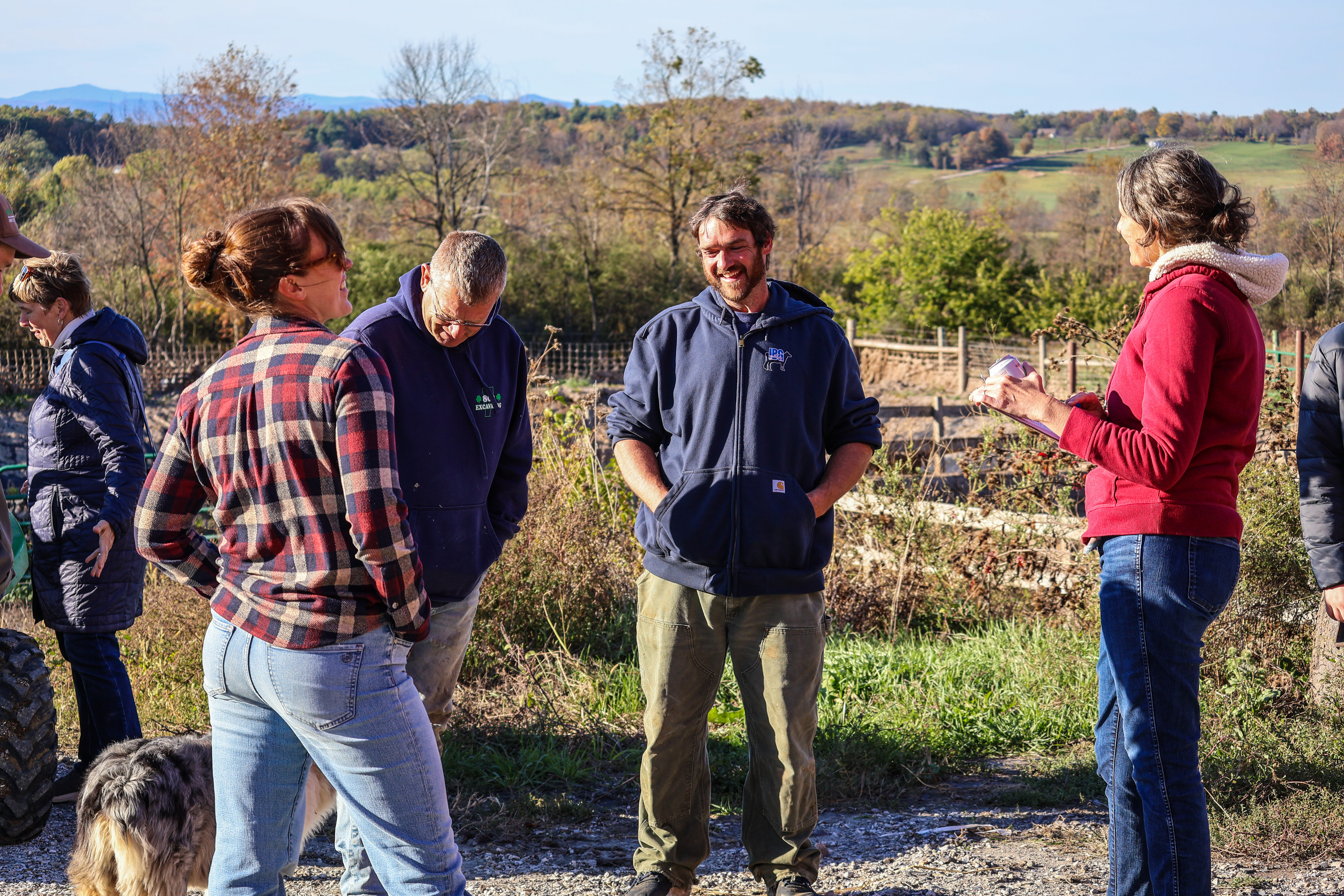
We all know that farming is a complex business, but as climate impacts intensify and extreme weather becomes the norm, the challenges are growing. Our farmers need support to be able to focus on learning, adapting, and accessing the resources necessary to recover when disaster strikes. Last legislative session, we made incredible progress together by introducing and advocating for the passage of the Farm Security Fund, S.60, which is continuing to make its way through the legislature. The Farm Security Fund will provide farmers with immediate financial assistance to ensure they can recover from the impacts of extreme weather and climate disasters.
Thanks to the actions of so many of you, the bill gained strong support in the first year of the biennium, passing unanimously out of the Senate last March. The House Agriculture, Food Resiliency, and Forestry Committee took it up, expanded eligibility to include certain forestry operations, and updated the name to the "Farm and Forestry Operations Security Special Fund" to reflect its broader working lands focus. It passed unanimously out of that House Committee and has now advanced to the House Appropriations Committee, where we're hopeful it will be taken up and passed out early in the coming session.
After it passes out of House Appropriations, the bill will head to the full House floor for a vote, then return to the Senate to review and reconcile the House changes. Once both chambers approve a compromise version of the bill, it will finally go to the Governor for his signature. There will be opportunities to take action at every step, and we know it will take all of us to ensure this bill is passed, funded, and implemented. Stay tuned for regular updates!
Alongside the bill, we are requesting $20 million in one-time funding to support the implementation of the Farm Security Fund starting in July 2026. This amount is based on an average of farmers’ documented losses over the past three years.
How you can help right now:
Call or write your House representative and urge them to support the Farm & Forestry Operations Security Special Fund (S.60) and appropriate $20 million for FY27. Share a few sentences about why this matters to you personally.
If you're not sure who your House representative is, you can look them up at legislature.vermont.gov/people
Local Food Security
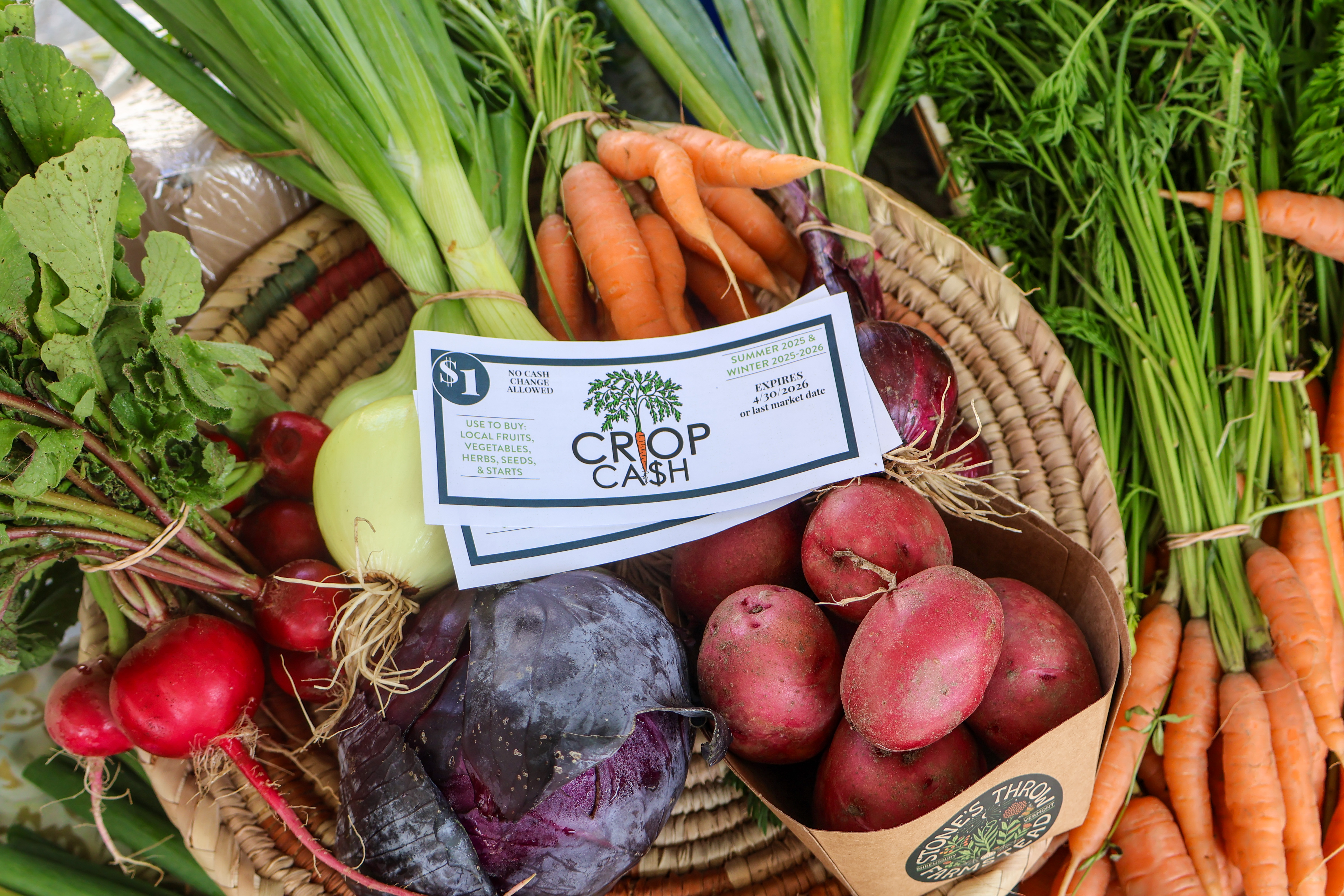
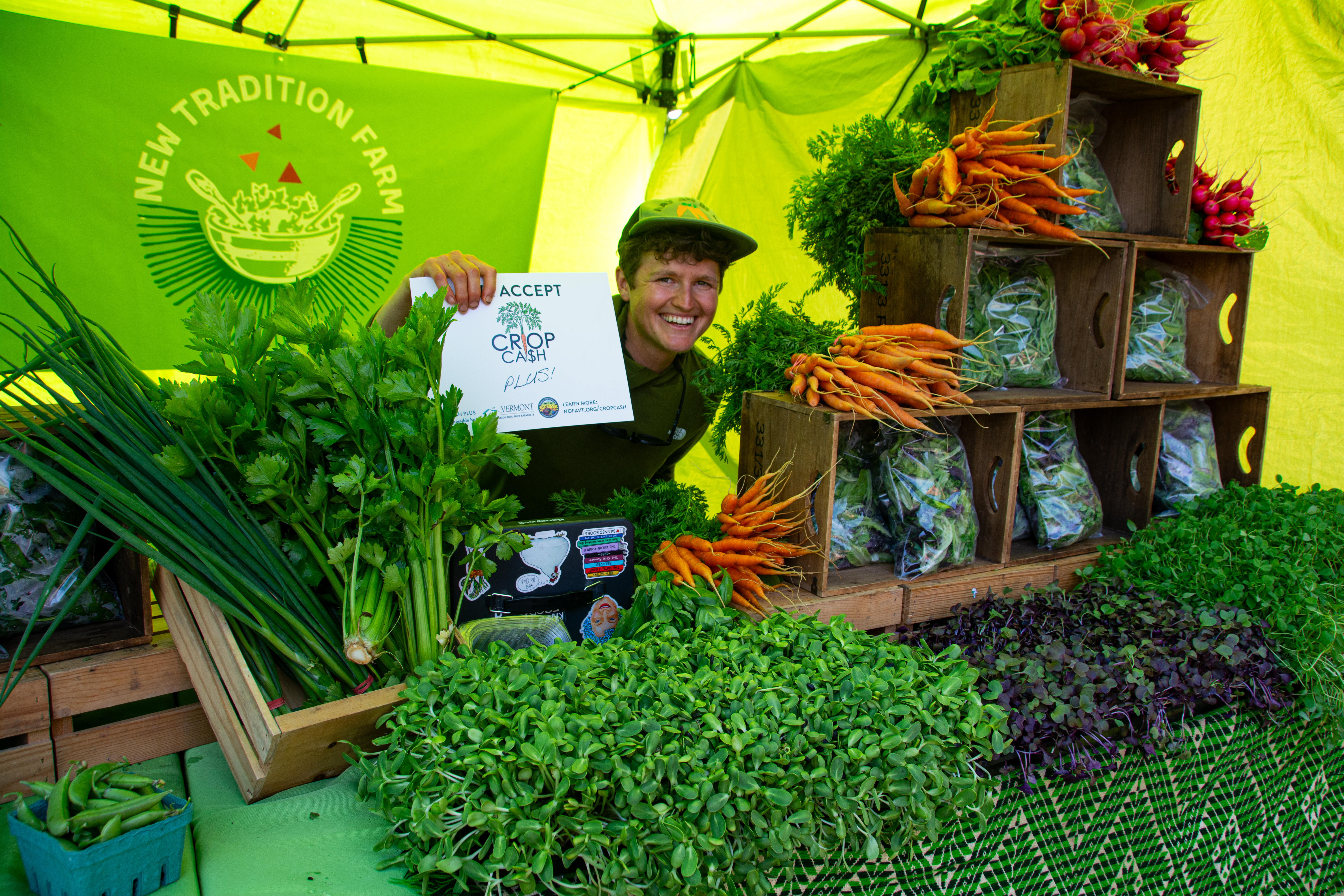
Food security can and should be achieved for everyone who lives in Vermont. The State of Vermont can make policy choices that will ensure food security for everyone who lives here. We also know that Vermont’s food security depends on a viable and climate-resilient agricultural sector. Crop Cash (Plus) and Farm Share, NOFA-VT’s core food security programs, help ensure that everyone, regardless of income, can purchase healthy, fresh, local food, and that Vermont farmers receive a reliable, fair price for their goods.
Over the past two fiscal years, the State of Vermont has provided one-time funding of $300,000 (FY25) and $450,000 (FY26) for these programs. This investment is thanks to so many of YOU raising your voices with your legislators – thank you! This session, we’ll return to the statehouse to advocate for our full request of $500,000 in ongoing funding for these critical programs in FY27. Here’s what this funding will support:
- Crop Cash doubles 3SquaresVT (SNAP) benefits for fruits and vegetables purchased at Vermont farmers markets. The program is partially federally funded, but a local match is also required. State funds allow us to continue to meet increased demand while maximizing federal funding.
- Crop Cash Plus expands the list of Crop Cash-eligible items to include meat, dairy, eggs, bread, and more, extending the program’s impact to all agricultural vendors. State funding is necessary to continue this critical program so that hundreds more farmers can benefit, and thousands of low-income Vermonters can purchase more of the local, fresh food they need to increase their food security.
- The Farm Share Program has subsidized CSA shares for limited-income Vermonters for over 30 years. The Farm Share Program pays for 25-75% of the CSA cost. State funding will allow us to support up to 700 households in purchasing a consistent supply of locally grown food, while ensuring farmers receive a fair and consistent wage to feed their neighbors.
Investments in these programs reflect Vermonters’ commitment to keeping people fed and supporting our farmers. Crop Cash (Plus) and Farm Share are critical baseline programs that we must continue. The State of Vermont has demonstrated leadership by investing in vital food security programs that continue to be pivotal in meeting the needs of our community members.
How you can help right now:
Call or write your House representatives and Senators to ask them to support an appropriation of $500,000 in FY27 for Crop Cash (Plus) & Farm Share. Share a few sentences about why this matters to you personally.
Food Security Roadmap
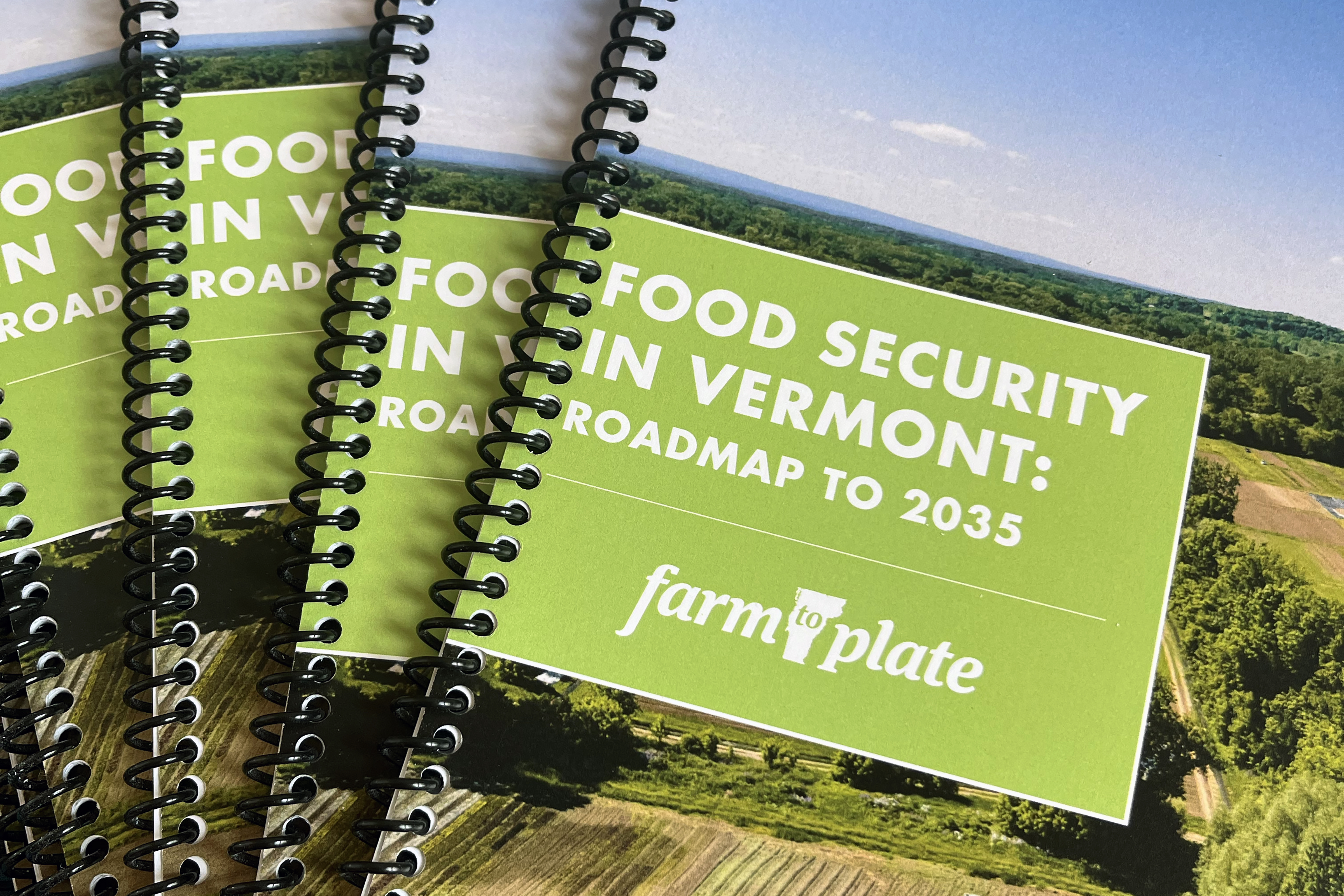
We are on the road to food security in Vermont! NOFA-VT is proud to be a partner in the Food Security Coalition, a coalition of organizations working to implement the Food Security Roadmap to 2035. This collective effort is working to ensure that everyone in our state has access to the food they need and want. In 2026, we are advancing a slate of policies alongside our partners that will keep us moving forward on the road to food security. These include the Farm Security Fund and Local Food Security requests detailed above, along with support for the Land Access & Opportunity Board's operations and programming, funding and operational support for the Vermonters Feeding Vermonters program at the Vermont Foodbank, increased funding for the Working Lands Enterprise Fund, support for continued State administration of the Supplemental Nutrition Assistance Program (SNAP), and more.
If you want to get involved in improving food security in your community, consider joining your regional Food Security Network, organized by our friends at Hunger Free Vermont.
Further, if you represent a business or organization that would like to join these efforts to ensure food security for everyone in Vermont, the Coalition is actively recruiting Allies. Allies are organizations that publicly support the Roadmap goals, objectives, and/or strategies. Becoming an Ally will grow our collective power and provide your organization with tools to share information & participate in Roadmap issues related to your organization’s work. You can learn more about the Coalition and our work here. You can learn about becoming an Ally here.
When the State of Vermont steps into leadership for food security, our collective action will be successful. Join us in the caravan to end hunger in Vermont!
Municipal Authority to Regulate Agriculture
In May 2025, the Vermont Supreme Court ruled that farming is not exempt from all municipal regulation. In contrast to prior interpretation, the court determined that the “ag exemption” in 24 V.S.A. § 4413(d)(1)(A), the Municipal Zoning Statute, applies only to aspects of the Required Agricultural Practices (RAPs) aimed at reducing agricultural water pollution. The court concluded that municipalities may regulate all aspects of farming, beyond those related to water quality, thereby setting a new precedent in stark contrast to the previous, longstanding statewide understanding that farming is exempt from municipal zoning regulations.
This decision could have far-reaching effects, changing how and by whom farming and food production are regulated in Vermont. Vermont is home to over 6,500 farms (USDA 2022 census data), most of which are community-scale, and fewer than 9% are dairy farms. Granting municipal authority over farming could introduce additional burdens to farms from new permitting requirements to regulatory hurdles and operational costs—especially for small-scale farmers growing food near village centers or on limited land, threatening both farm viability and local food access.
The ability to grow food, including on small parcels, is essential to our collective food security. If this issue impacts you directly or you want to learn more, reach out to our Policy & Organizing Director, Maddie Kempner, at [email protected] or 802-419-0072.
Health Care
We are deeply concerned about the impact of the expiration of enhanced premium ACA tax credits on thousands of Vermonters—especially farmers. Access to affordable health care is critical to farmers' success and well-being. As self-employed workers, we know that farmers are more likely to rely on the ACA marketplace (known here in Vermont as Vermont Health Connect) for their health insurance than the general population. According to national statistics, 27% of farmers and ranchers rely on the marketplace for healthcare, compared with 8% of the general public. Many farmers and farmworkers in our community also rely on Medicaid or Medicare, and upcoming changes and cuts to those programs could have serious effects, too.
If you are impacted by these changes, please consider sharing your story with us. We are beginning to strategize about the best ways to organize on short and long-term health care solutions, and if you’re interested in organizing with us on this, please get in touch with our Policy & Organizing Director, Maddie Kempner, at [email protected] or 802-419-0072.
NOFA-VT State House Days!
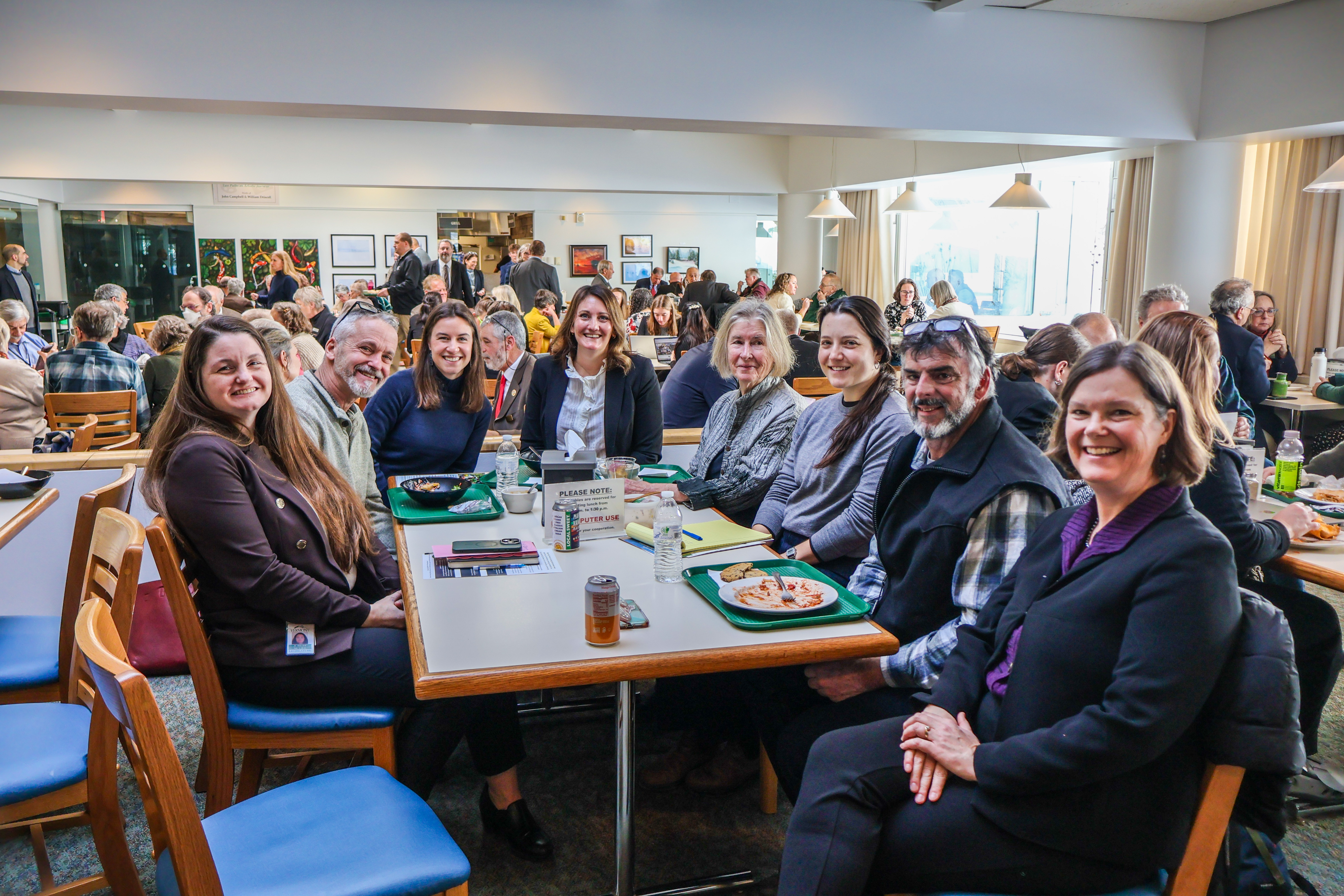
Come to the State House and add your voice to the movement for farmers and food justice. Together, we’ll advocate for NOFA-VT’s key policy priorities, including passing and fully funding the Farm Security Fund, and securing robust support for Crop Cash, Crop Cash Plus, and Farm Share.
State House Days run from 9:30 a.m. to 2:00 p.m. We start with a short, accessible training: an overview of the bills we’re working on, where they stand in the legislature, and time to practice sharing our own stories. Then we’ll help you connect with your legislators—often over lunch—and, when possible, sit in on relevant committee meetings to observe discussion and support those providing testimony.
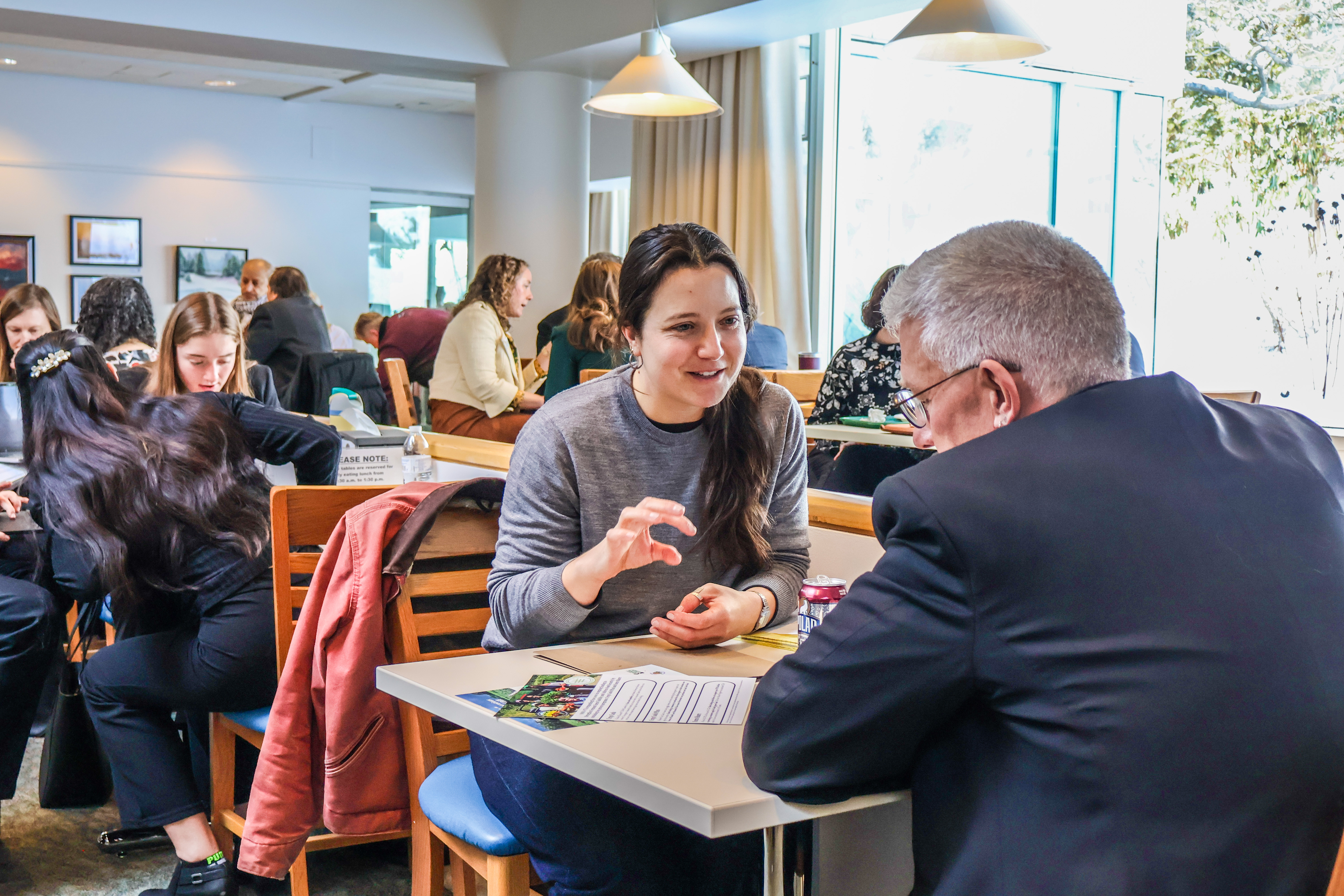
No prior experience with policy, advocacy, or “lobbying” is needed. We’ll prepare you, accompany you, and support you at every step. Reimbursement is available for lunch, mileage, and childcare. You’re welcome to join us for whatever portion of the day you can. If you’re interested in offering committee testimony, just let us know in the form, and we’ll follow up to plan the day together—no surprises.
We have seven NOFA-VT State House Days scheduled: January 15, January 28, February 10, February 19, March 12, March 17, and April 9. Sign up, and stay tuned for additions or changes.
Our collective voice—and your voice—is crucial. Thank you for being part of a movement that’s making real, lasting change for Vermont farmers and all of us who depend on them!