January 6, 2026
“The tools we have learned from this process enable us to better address pest and disease pressures, and to better manage nutrient delivery in our garden. These are critical skills for a viable market garden, and they are skills that we increasingly need as we see weather, pest, and disease patterns shift and destabilize. We may not be able to predict much in the next five years, but we feel better equipped to respond to whatever occurs.”
-Jeremy Tonachel-Read of Birdsong Farm in Stockbridge, VT
Agriculture is a vital economic and community cornerstone in Vermont, yet many of the state’s farmers are facing increasing vulnerability. After a year of below-average precipitation in 2022, followed by extremely wet seasons and widespread flooding in 2023 and 2024, this year’s statewide drought delivered another devastating blow. For more than 15 years, our Farmer Services team has approached business development through a systems lens, but as climate-related challenges have intensified, it has become clear that we must deepen and expand our services to better support the environmental resilience of Vermont farms.
In the fall of 2023, NOFA-VT launched our Organic Practices Program to bring more capacity to our work to support farmers in implementing organic practices, improving water quality, and increasing their climate resilience. This work complements the offerings of our Farm Business Development Program and similarly lives under our broader Farmer Services umbrella. These two complementary programs allow NOFA-VT to provide more holistic wrap-around support for farmers, including helping them assess their current climate risks and identify adaptation strategies to increase resilience. We call this approach “wrap-around” because staff from both programs bring deep expertise across all aspects of the farm system, allowing us to strategize holistically about how different decisions affect both the economic and environmental outcomes of a farm.
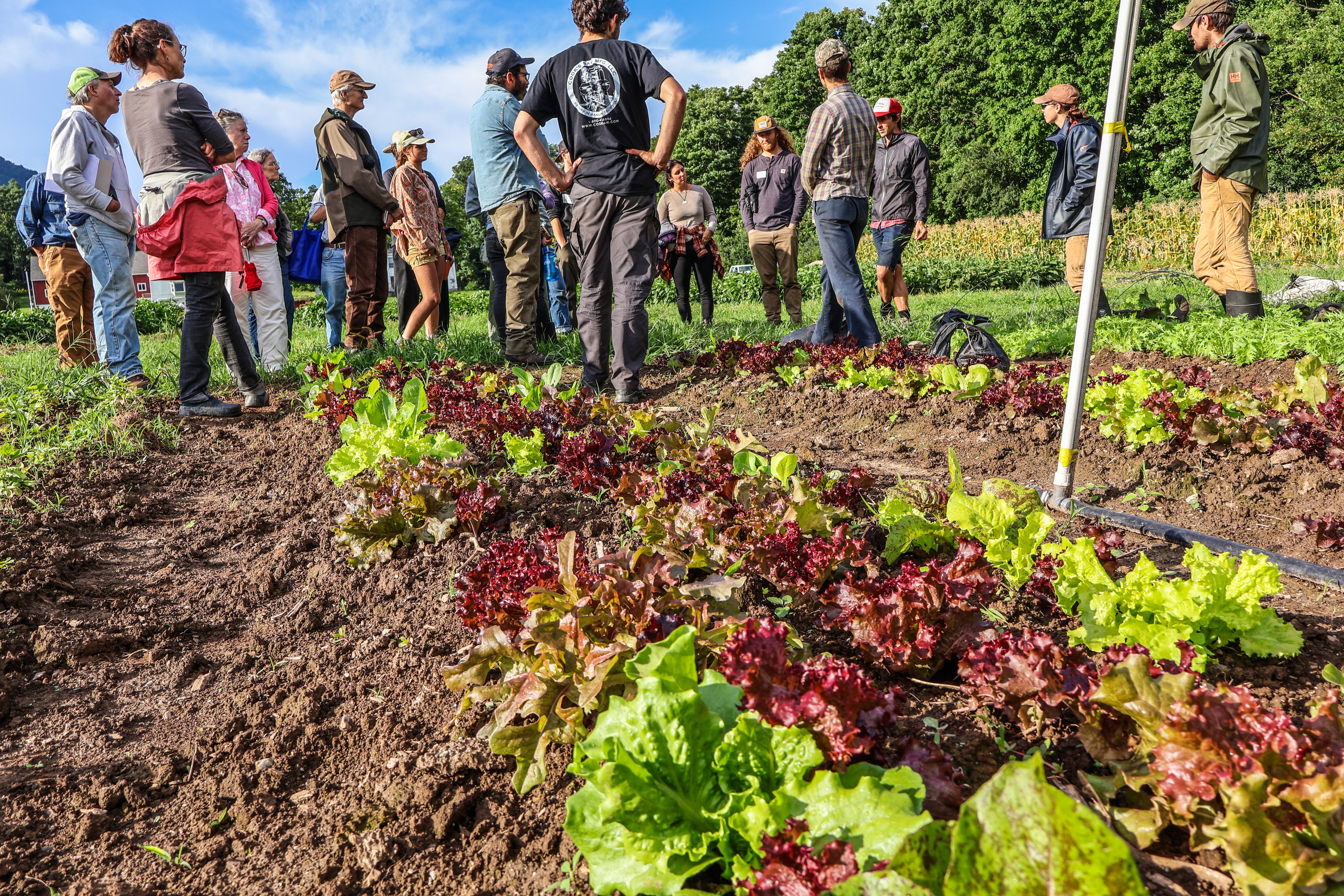
For climate adaptation planning, staff from each program typically visit a farm together. We center our approach on a farmer’s goals for their business and quality of life, focusing on the whole farm system—including environmental, market, distribution, and supply chain risks. The resulting climate adaptation plan is co-created with the farmer(s) and outlines actionable steps to advance farmers’ goals and increase their overall resilience. This plan can be further supported with in-depth technical assistance focused on individual practices as well as financial analysis to help prioritize actions or develop a strategy for accessing the capital needed to implement key projects and practices outlined in the plan.
Over the past eight months, we have worked with more than 40 farms to develop climate adaptation plans and implement organic practices, while fully integrating a business development lens into the planning process. Unsurprisingly, after four seasons marked by dramatic swings in water availability, water management emerged as the most common priority across participating farms.
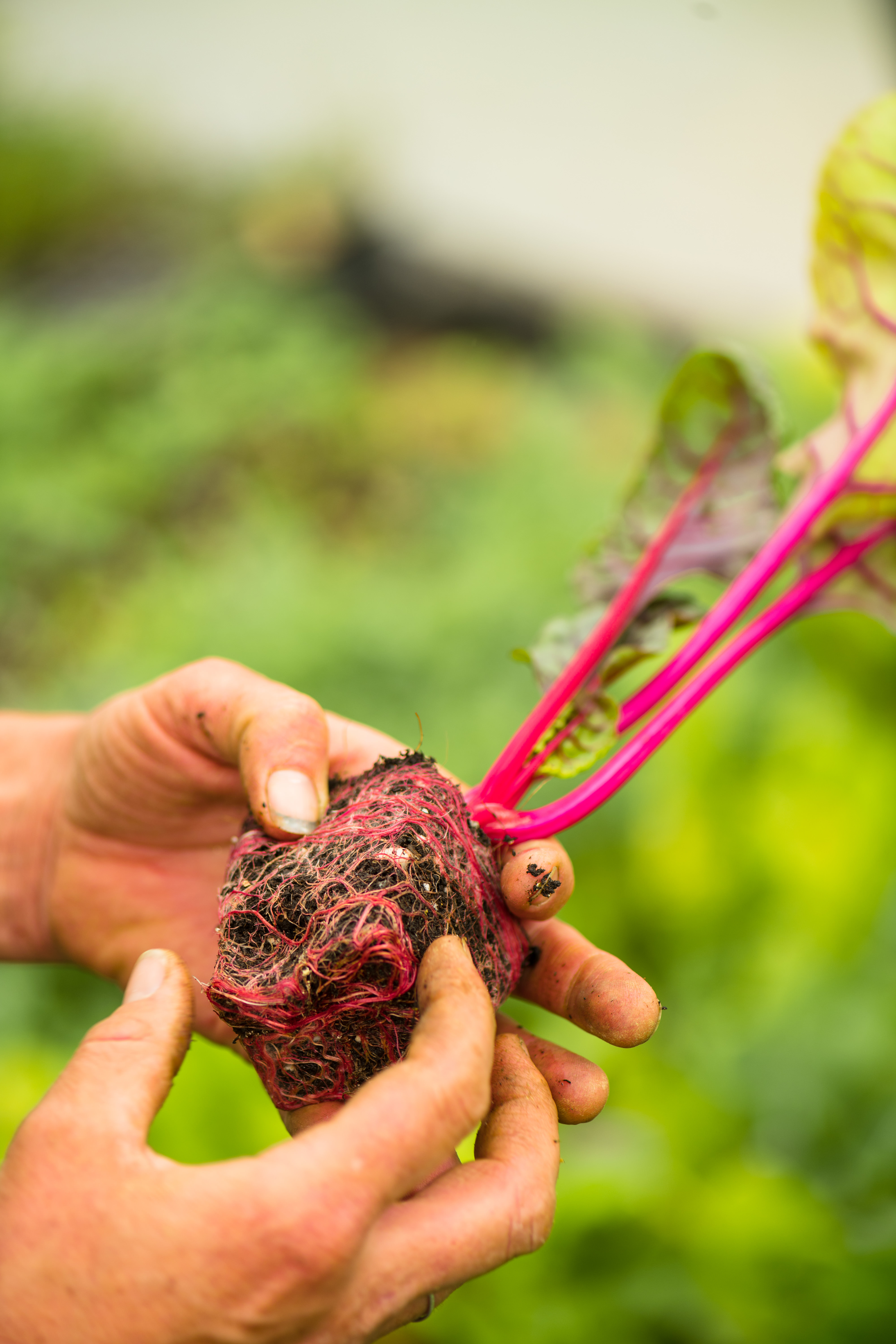
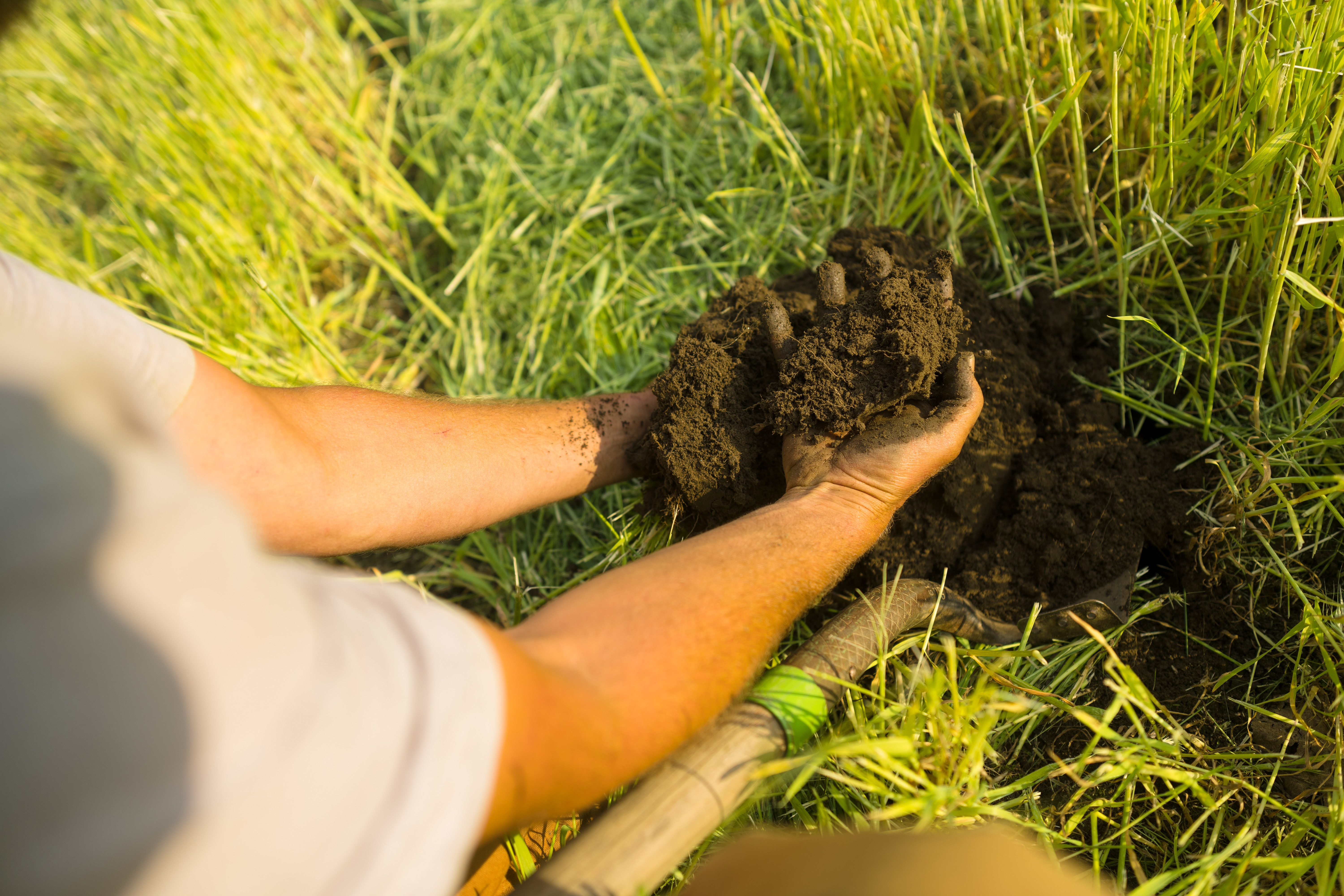
While the needs varied, projects ranged from installing gravel drainage and swales to adding water storage tanks, completing earthwork to re-direct water into ponds, upgrading irrigation systems, and installing water meters to detect underground leaks. The second most common project focus area was minimizing tillage and building soil health. Farmers identified a range of investments—broadforks, tarps, cover crops, pasture reseeding, and compost—as key strategies for strengthening their soils and reducing climate-related risk. As they reviewed the results of their climate assessments, farmers weighed implementation options by considering the urgency of need, upfront costs, and the expected rate and longevity of the return on those investments. Throughout this process, our team served as strategic thought partners at both the systems level and on the finer details, analyzing risk and adaptation options through business and ecological lenses, and providing wrap-around support as farmers increased their resilience on their path to long-term farm viability.
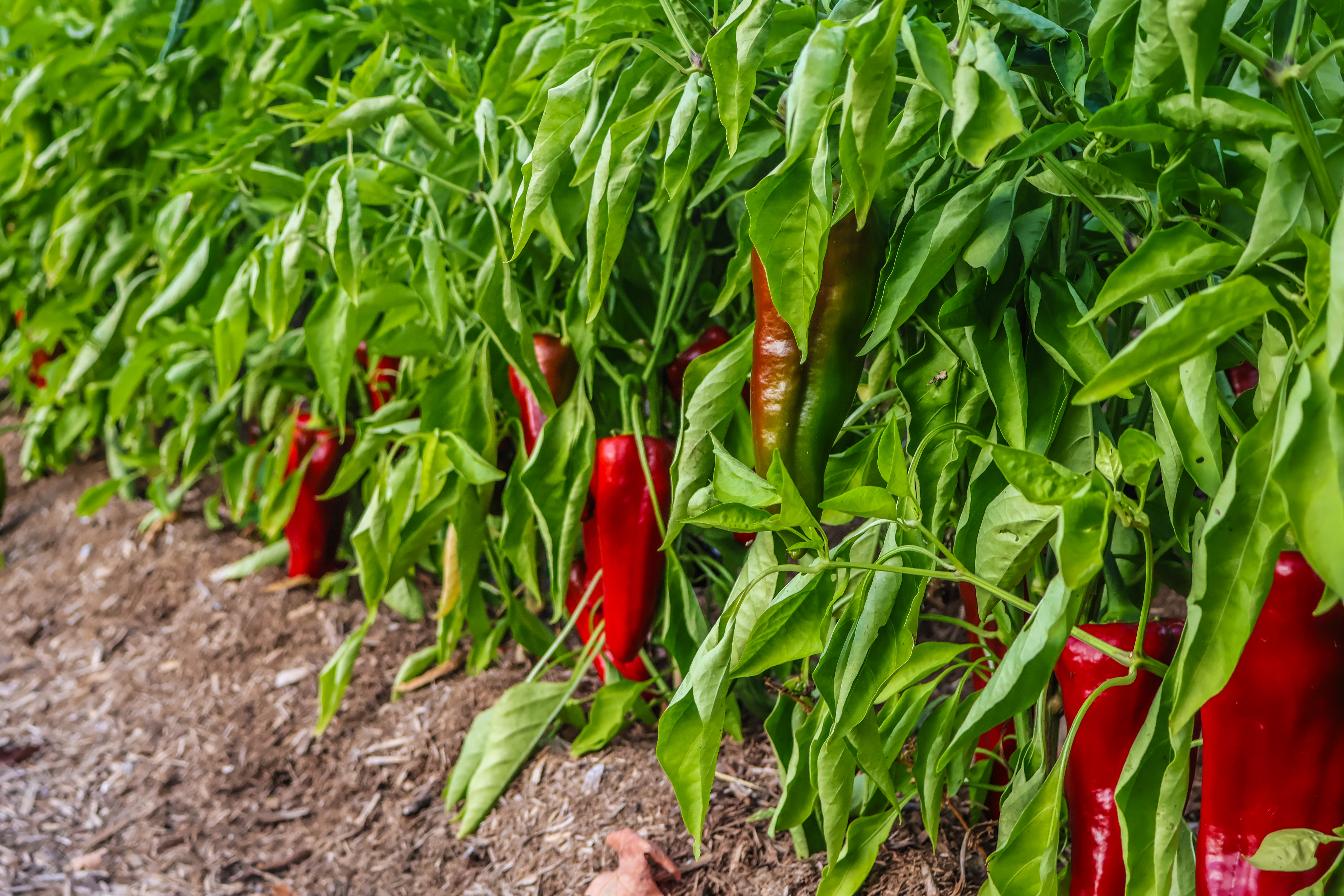
“I now have more physical resources (e.g., irrigation equipment) to better care for my crops, as well as greater planning resources that will help me anticipate climate challenges rather than just react to them. I really appreciate the planning spreadsheet to identify risk factors for my farm business. It was great to have someone else’s eyes on my farm from an outsider perspective, and now I feel like I have the capacity to plan for risk factors.”
-Julia Etter of Nomad Farm in Brattleboro
Curious to find out if the Farm Viability Program is a good fit for you? Complete our intake form, and we'll follow up!
Funding from the Vermont Agency of Agriculture, Food & Markets Clean Water Initiative supports this programming.