April 1, 2026
“For us, the vision of the future is about demonstrating that this is possible. To create a model for this and a pathway for this. Ultimately, we do want land to be decommodified, to be democratized, to be available to all. And I do think that’s possible.”
-Amara Watkin-Anson, La Finca Cooperative
NOFA-VT has received a growing number of requests from members seeking land to steward. As a result, we have been exploring the challenges of land access and supporting efforts to create new and alternative pathways for collective land stewardship.
As one part of this work, we have been hosting a monthly webinar series featuring projects from outside of Vermont that highlight alternative land access models and innovative collaborative business structures. The goal—and key takeaway—is to show new ways farmers across the country are finding to break down systemic barriers, collaborate, and care for land together.
By this April, our webinar series will have hosted nine sessions with over 400 participants from 20 U.S. states and four Canadian provinces. This series has featured innovative land access and cooperative farming projects from across North America—from Tourne Sol Farm in Canada to Appalachian Rekindling Project in Kentucky, La Finca Cooperative in Maine, and Commons Land in Minnesota. Most session recordings are available on the NOFA-VT YouTube page.
Attendees include land seekers, farmers, farmworkers, educators, lawyers, and others committed to building long-term, affordable, collective land access. Participants leave each session inspired — one shared, “There are a lot more folks looking at land alternatives than I thought!” Another reflected, “This helps my farm dreams move forward.” The enthusiastic response to the series has affirmed the need for more education and support around alternative paths to land tenure.
We are excited to share some emerging reflections from this series and related work:
Collaborative relationships and alternative business models require deep communication and trust among partners. When rooted in strong relationships, collaboration offers powerful benefits: shared responsibility, labor, ideas, and resources. Alexis Yamashita, a former member of the Acorn Community Farm in Central Virginia and founding member of the Ujamaa Cooperative Farming Alliance in Maryland, spoke to the power of community: “Having equitable voices in decision making, and being able to live at a place where you decide where your interest is and what you want to contribute your energy to, is really an amazing experience. It makes you see that it is possible for us to organize our efforts in many different ways.”
“Human power is the limiting factor—and with collaborative land access and cooperative business structures, there is endless potential,” said Sarah Newkirk, Farm Manager at Osamequin Farm in Massachusetts. Sarah described their farmer members as parts of a whole. With so many ideas and sources of inspiration, the ability to prioritize and think both short- and long-term requires direct communication and deep trust. Trusting that each member is doing their part—especially in shared labor and responsibility—allows communities to grow their capacity, creativity, and resilience.
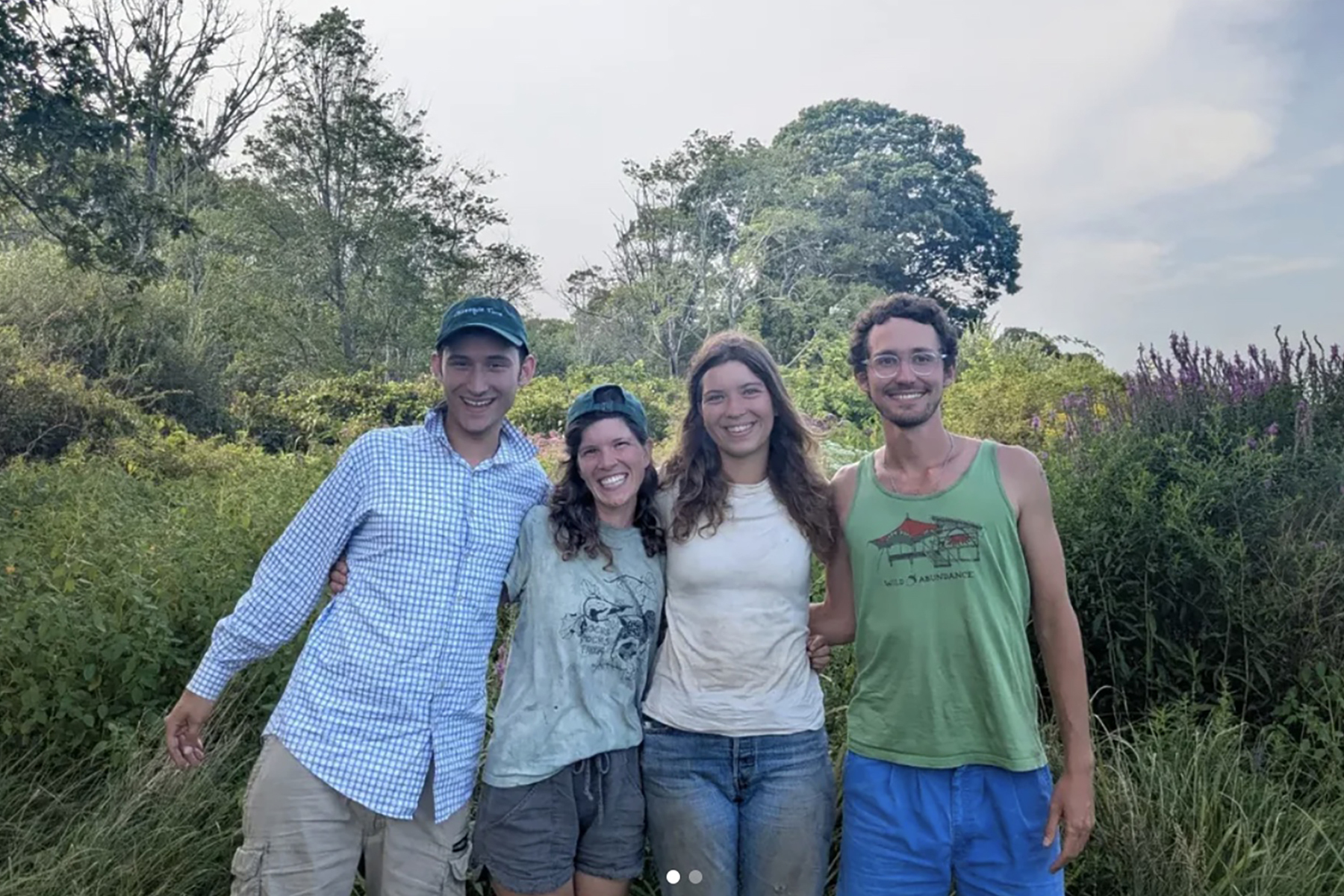
Planning for change—whether navigating labor shortfalls, crop failures, shifts in team dynamics, or increasingly common floods and droughts—is essential to the resilience and longevity of collective projects. D and Maggie of Rock Steady Farm in New York have been evolving their growing practices and business model for over a decade. D emphasized the importance of tending to the human dynamics within a business—romantic relationships, family planning and care, injury, work-life balance, and more. They also prioritize regular feedback from staff and community members to remain accountable for making needed changes. “That may be part of our magic sauce,” D shared, “We are pretty adaptive—sometimes it feels a little too adaptive—but we are still here after a decade.”
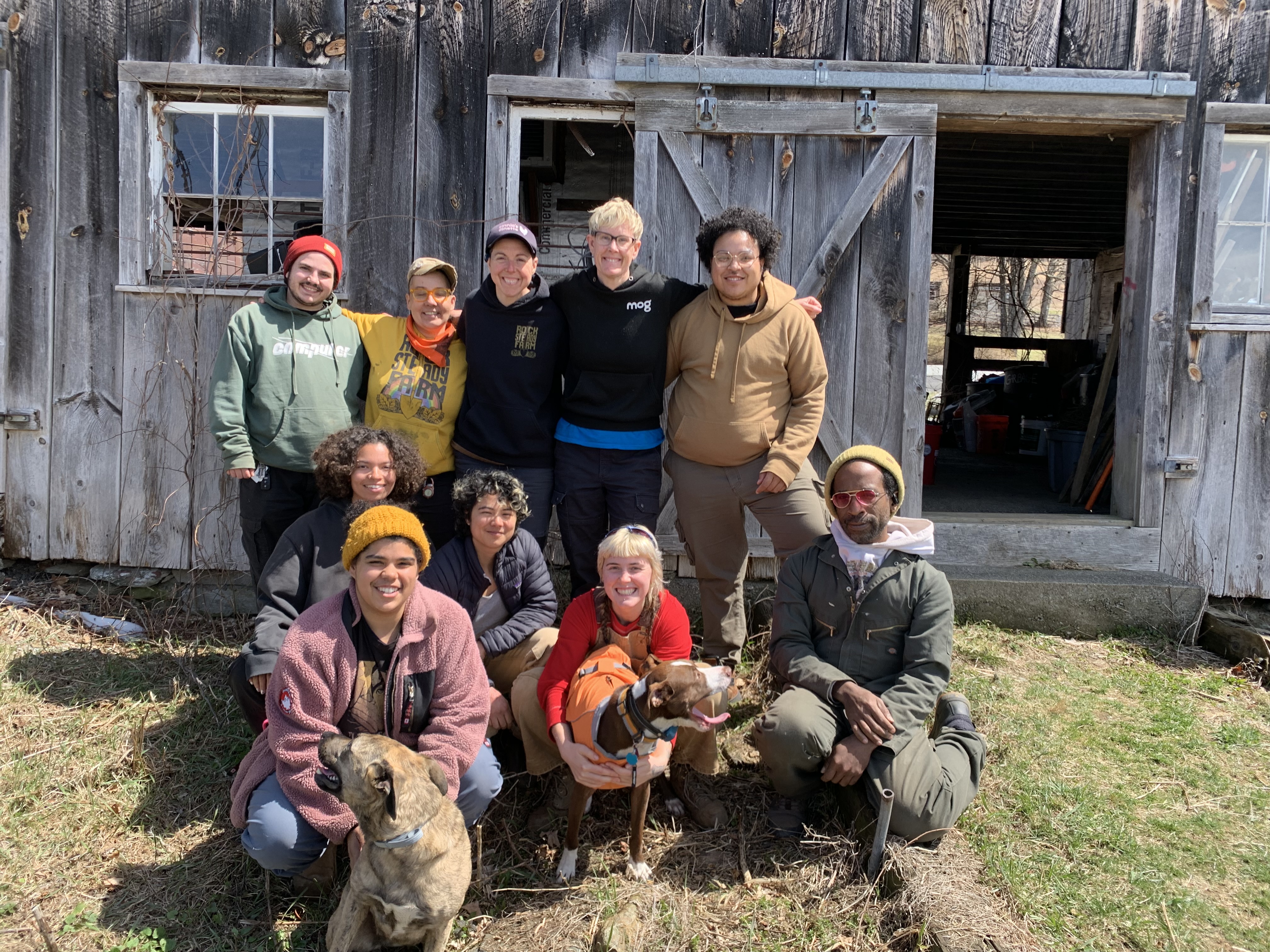
Time and money are other key limiting factors in any project. This webinar series has shown that there are many ways to structure business and labor management to meet goals. Tourne-Sol Farm in Canada operates with a clear co-operative model for managing funds and prioritizes paying a fair, substantial wage so workers can build savings and equity independent of the land and farm business. Through its co-op structure, the farm accesses medical benefits, leverages assets for reinvestment, and shares profits among worker-owners through cash or co-op shares. Tourne-Sol Farm champions the idea that sharing the load supports sustained work-life balance across the farm team.
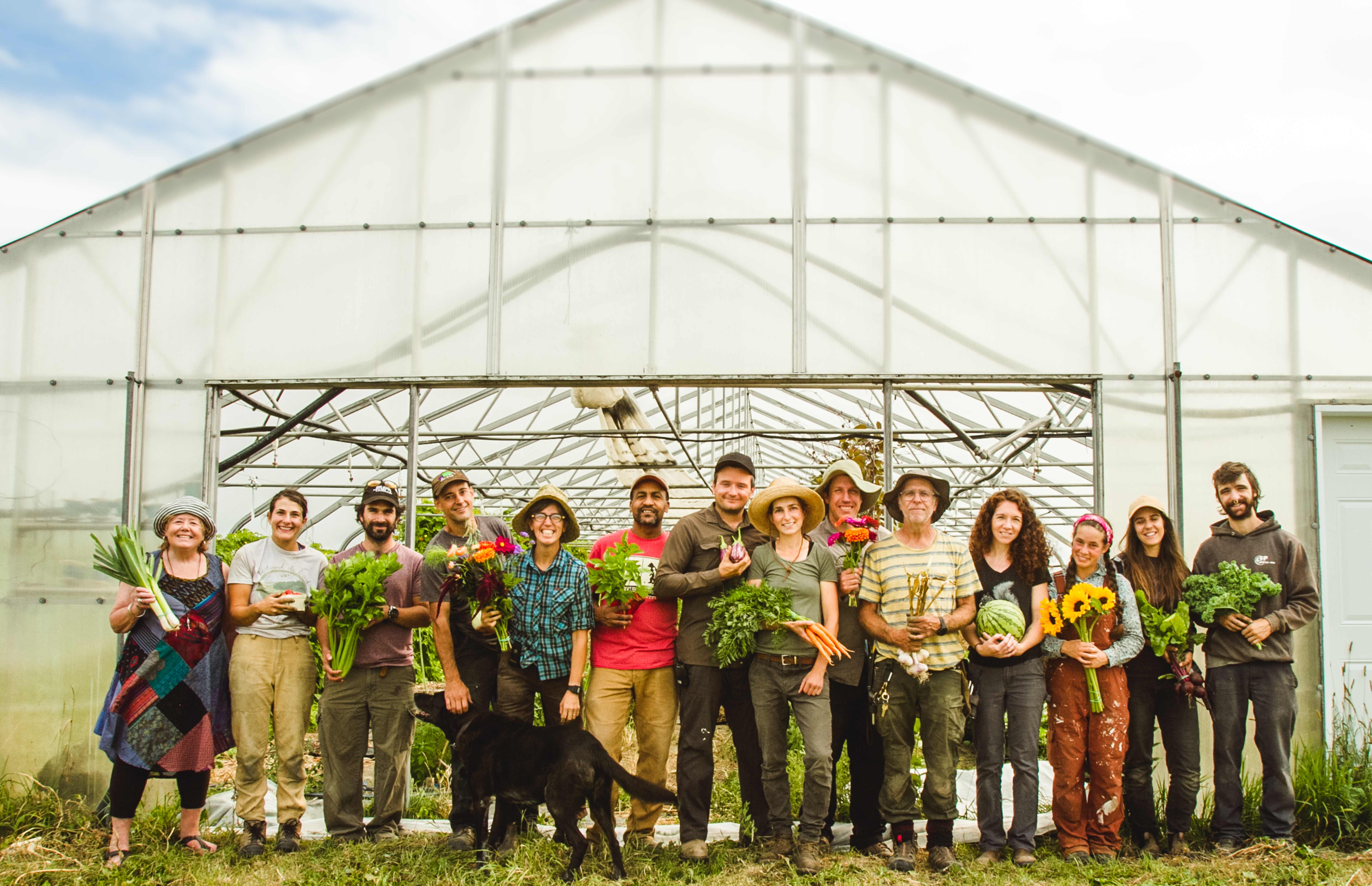
Worker-owners can build resilient, redundant work environments while prioritizing work-life balance. At Humble Hands Farm in Iowa, community members formed a land co-op to purchase property previously slated for a confinement hog operation, making it accessible to two founding farmers who gradually purchased the land. These two farmers then established a worker-owned co-op to challenge the traditional “family farm” model and create a new narrative around land access, equity, and resilient production practices. As a team, they bring intentionality to conflict management, and their financial investments are dynamic, with community resources held in a separate “Commons” account that supports the farm and passes with it to the next generation.
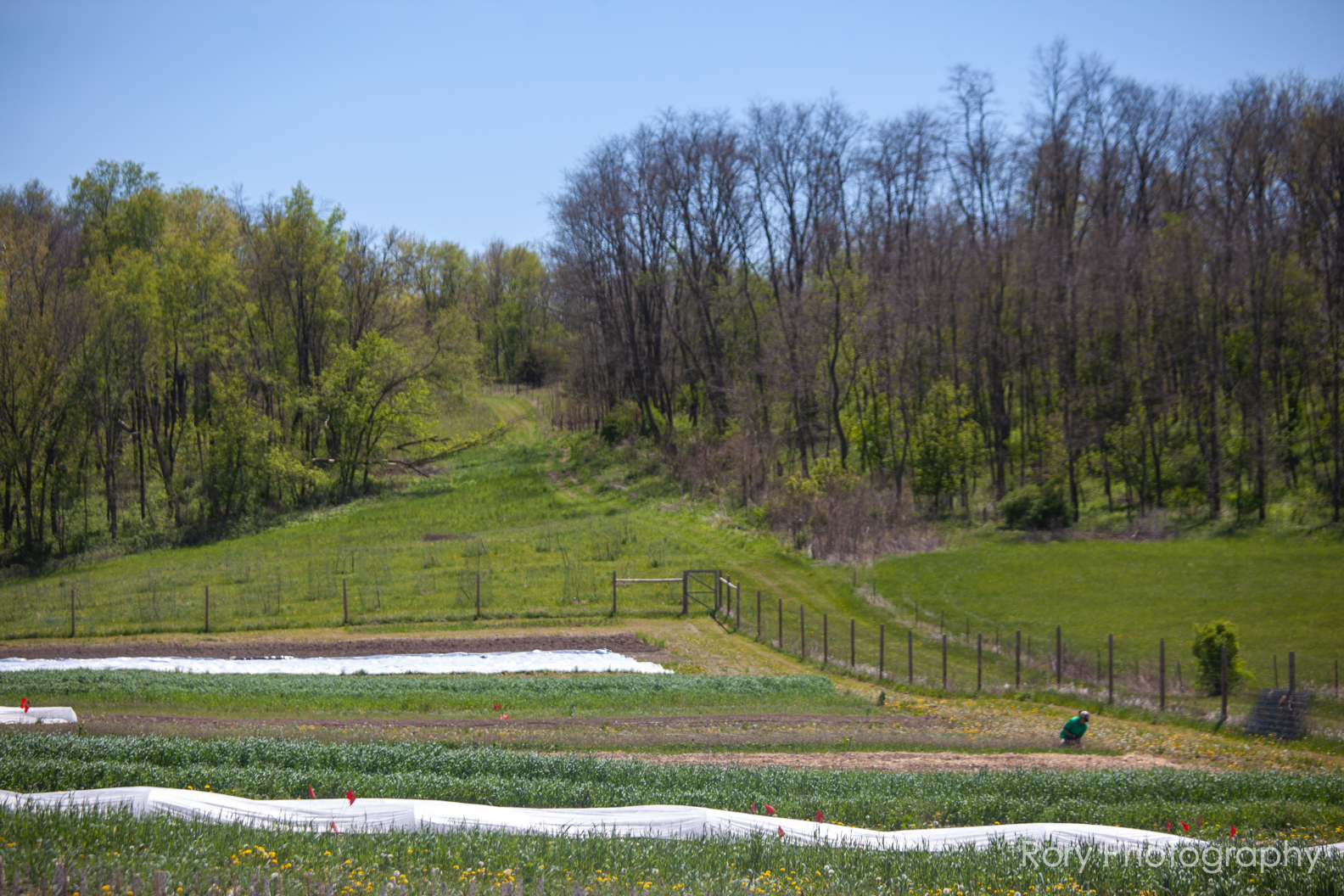
NOFA-VT is deepening its support for collective land access and cooperative and alternative business models. After spending time in 2025 conducting dozens of one-on-one conversations with farmers around the state and holding conversations with partner organizations, this spring, we launched the Land Together Learning Network. This learning network is a ten-month-long cohort program designed to support land seekers and those with land to share in building financial, legal, and relational skills for successful collective projects. At the same time, we’re strengthening our own capacity to support farmers in these efforts and are conducting a research-based landscape analysis of existing models, structures, and tools for collective projects. Our goal is to leverage NOFA-VT’s organizational resources—both time and money—to expand long-term land access, while advancing strategies to increase equity in land access, decommodify land, remove it from the speculative market, and keep it in agriculture.
Along the way, we have learned from many innovative organizations, farms, funds, and lenders across the Northeast and nationally. As we evaluate the viability and utility of various tools and structures, and continue learning alongside the Land Together Learning Network over the coming year, we will keep you updated on emerging opportunities and ways to get involved.
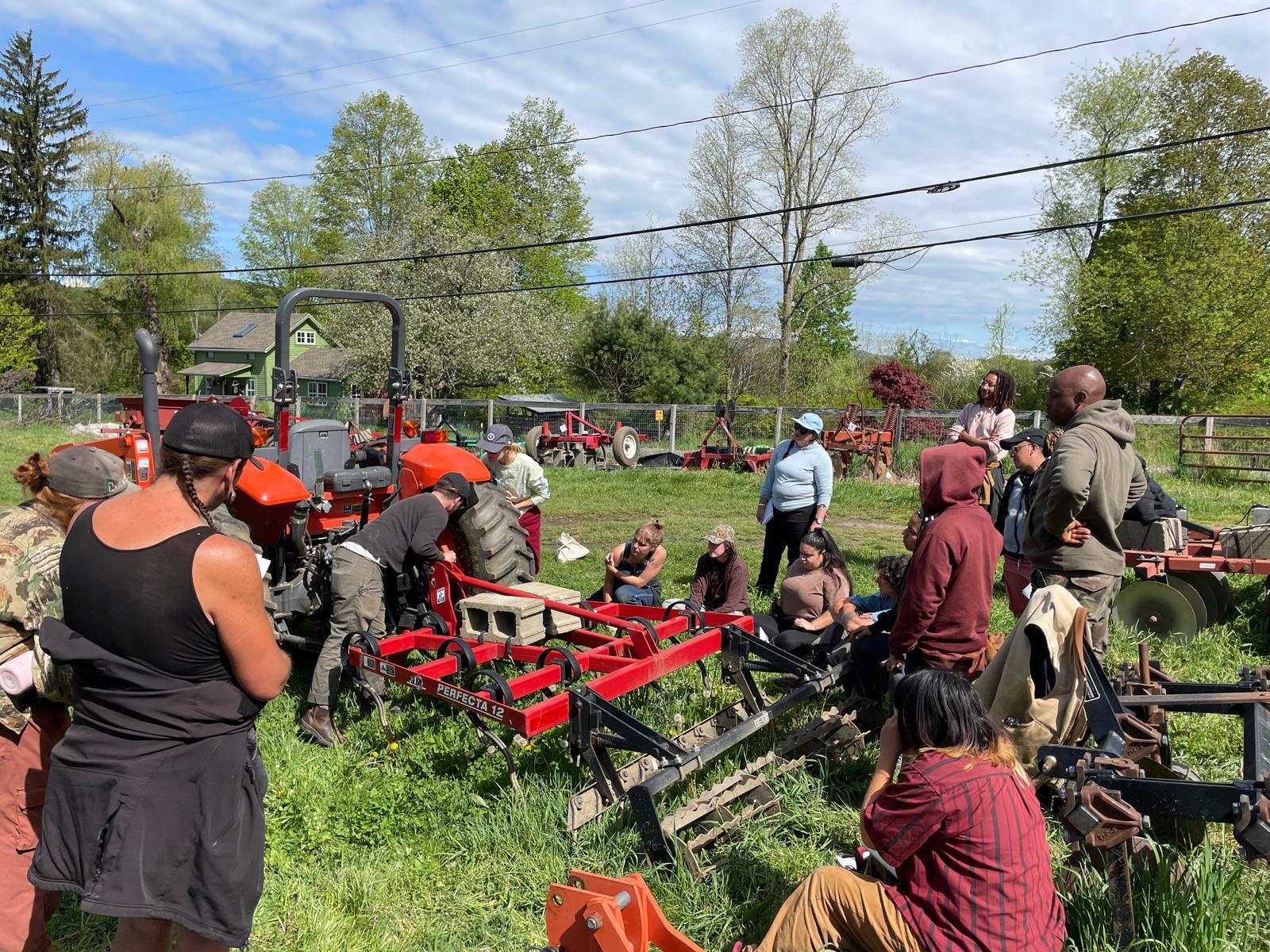
As Antonio LaSalle of La Finca Cooperative shared, “For us, a lot of it is throw it at the wall and see what sticks. There’s a lot of trial and error. There’s a lot of maneuvering and adjusting. That’s the nature of co-ops, the nature of farms, and the nature of farming in the climate we farm in now—both the literal climate and the political climate. That flexibility is going to be part of it all, always.”
At NOFA-VT, we remain open, flexible, and excited to pursue this work alongside all of you.