March 23, 2026
On March 12, the Vermont Senate unanimously passed a bill, S.60, to create a state fund to provide swift recovery assistance to farms after extreme weather events. The Vermont Senate unanimously passed an older version of the bill, known colloquially as the Farm Security Fund, in the previous session, and the Vermont House updated and passed the bill on January 16. This bipartisan passage through the House and Senate represents a major win for Vermont’s working landscape.

Farming and forestry organizations across the state are championing the creation of the Farm Security Fund after evaluating the impact of increased extreme weather on agriculture globally and in Vermont. National programs to keep large, industrialized farms in operation after floods, frosts, or droughts have proven to be ill-suited for the small- and mid-sized diverse farms in Vermont, and federal support for agriculture has been diminishing quickly over the past year. The passage of this bill through the legislature comes at a time when climate instability is rising and concerns about the global food supply chain and corporate consolidation in agriculture are top of mind.
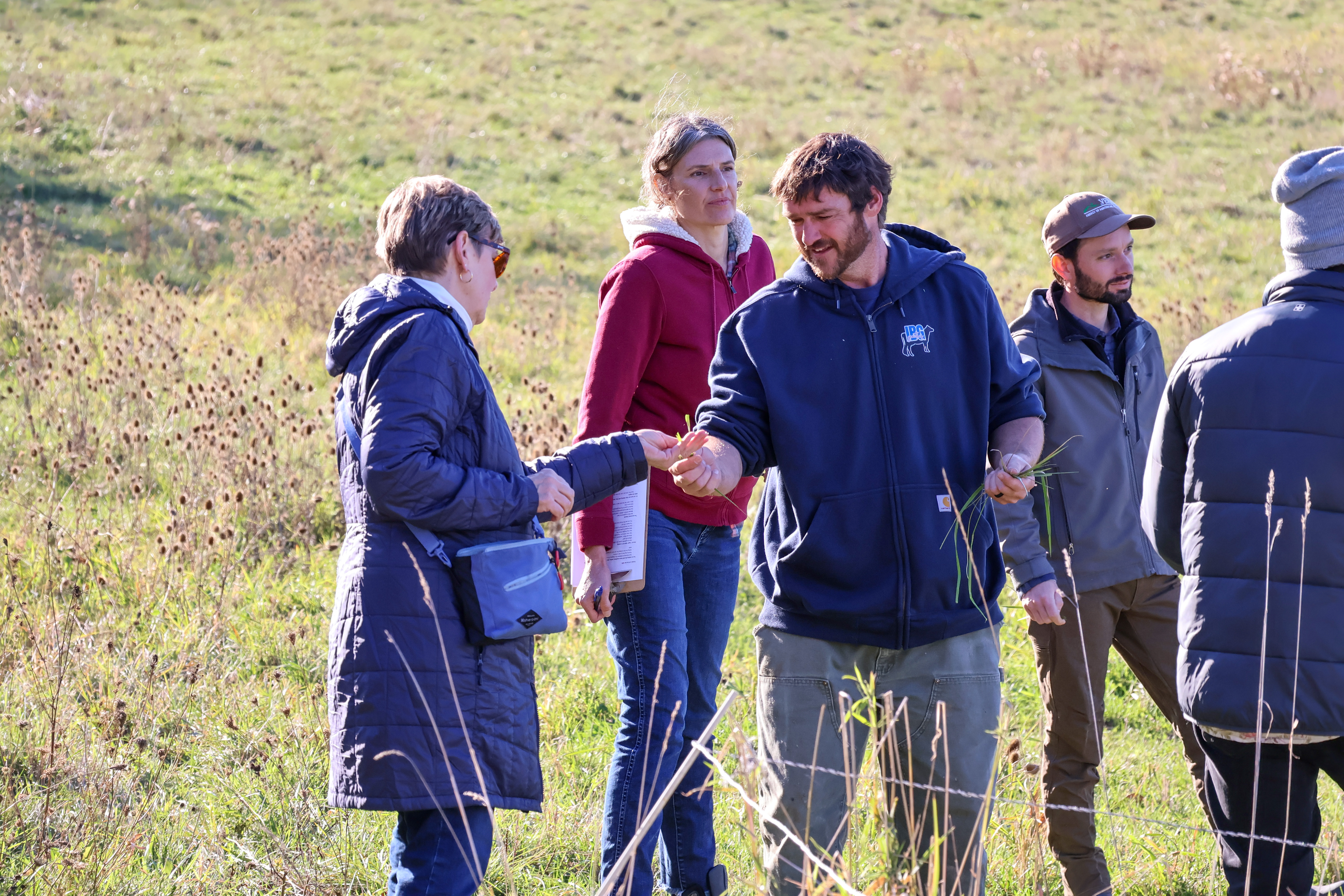
“Agricultural businesses are key to keeping our state’s economy going. Farmers and foresters steward 20% of Vermont's land base, and the effects of those working lands reach far beyond that 1.2 million acres,” testified farmer Amanda Andrews to the House Committee on Appropriations on February 12, 2026.
The Farm Security Fund would reimburse a farm or forestry business up to 50% of uninsured or otherwise uncovered losses due to extreme weather. Appropriations to the fund would be based on the average losses from eligible weather conditions over the past three years, and the fund would be administered by the Vermont Agency of Agriculture, Food & Markets in collaboration with a review board.
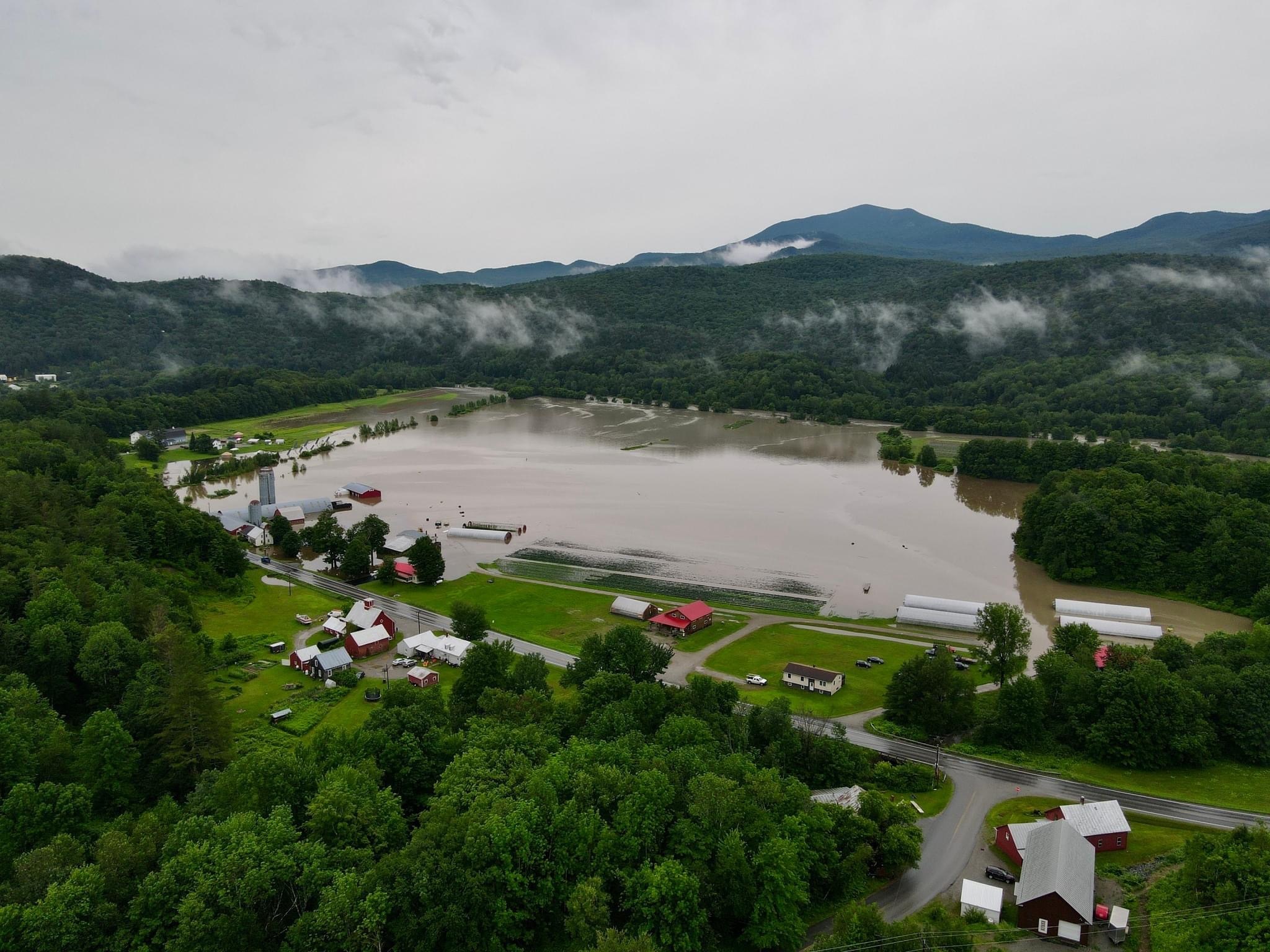
Vermont farms reported over $94 million in losses to the state over the past three years, resulting from the historic floods in 2023 and 2024, additional losses from a snap freeze in late May of 2023, and the landmark drought in 2025. The state notes that the reported losses are likely a low estimate of actual losses. Notably, the Farm Security Fund would help the state more accurately track the financial impact of extreme weather on farms and forestry businesses.
The bill moved to the Governor’s desk for signature on Friday, March 20, and the legislature is currently considering how much funding to initially appropriate. Farm and forestry advocates (including the Center for an Agricultural Economy, Connecticut River Watershed Farmers Alliance, Intervale Center, the Northeast Organic Farming Association of Vermont, Rural Vermont, Salvation Farms, American Farmland Trust, the Vermont Farm Bureau, and the Vermont Vegetable and Berry Growers Association) are advocating for the Farm Security Fund to be appropriated $15.6 million for its first year in order for the fund to meet its stated purpose. The bill will also be put before the Governor for his signature before taking effect.
####