October 28, 2026
A shorter version of this piece was published in VT Digger on October 19.
A year ago, 619 Vermont food retailers were authorized to accept SNAP benefits from customers. As of August 2026, there are just 574. The data from USDA shows that from 2020 to 2024, the loss in SNAP licenses at Vermont retailers was steady – between 46 and 53 per year. In 2025, however, the loss was 101.
This trend is not isolated to Vermont, and these SNAP license losses are not the consequences of a careless cashier ignoring rules of a federal program or a shopper maliciously gaming the system. These incidents are part of a pattern across the country (for instance, this case in Hawaii), as our retailers contend with increasing hurdles and rules that intentionally make it difficult to accept SNAP.
In July 2025, Congress passed H.R.1, or the “One Big Beautiful Bill.” H.R.1 included historic slashes to the Supplemental Nutrition Assistance Program (SNAP), including a $187 billion cut over the next decade, in exchange for permanent tax breaks for the wealthy and big corporations. SNAP, also called 3SquaresVT in Vermont, is our nation’s first line of defense against hunger. Nationally, 5.8 million people have lost SNAP benefits between the passage of HR1 in July 2025 and April 2026. In Vermont alone, over 5,000 people have lost their benefits—an 8% decline.
While the federal government is chipping away at people's ability to get the financial support they need to spend on groceries, less common in public discourse is the simultaneous damage it is imparting on stores, farmers markets, and farmers trying to offer a place for community members to spend their SNAP dollars. The impact? Fewer outlets for low-income Vermonters to buy food affordably, and, in some cases, grocery stores going out of business entirely due to reduced sales.
These SNAP retailer trends are raising major red flags, both due to the immediate impact on stores (and their customers) and the lasting damage this could have for years to come. If the federal administration is successful in crippling the infrastructure of the program, even if Congress reverses cuts to participant eligibility in the future, the number of retailers able to accept SNAP as payment will be reduced.
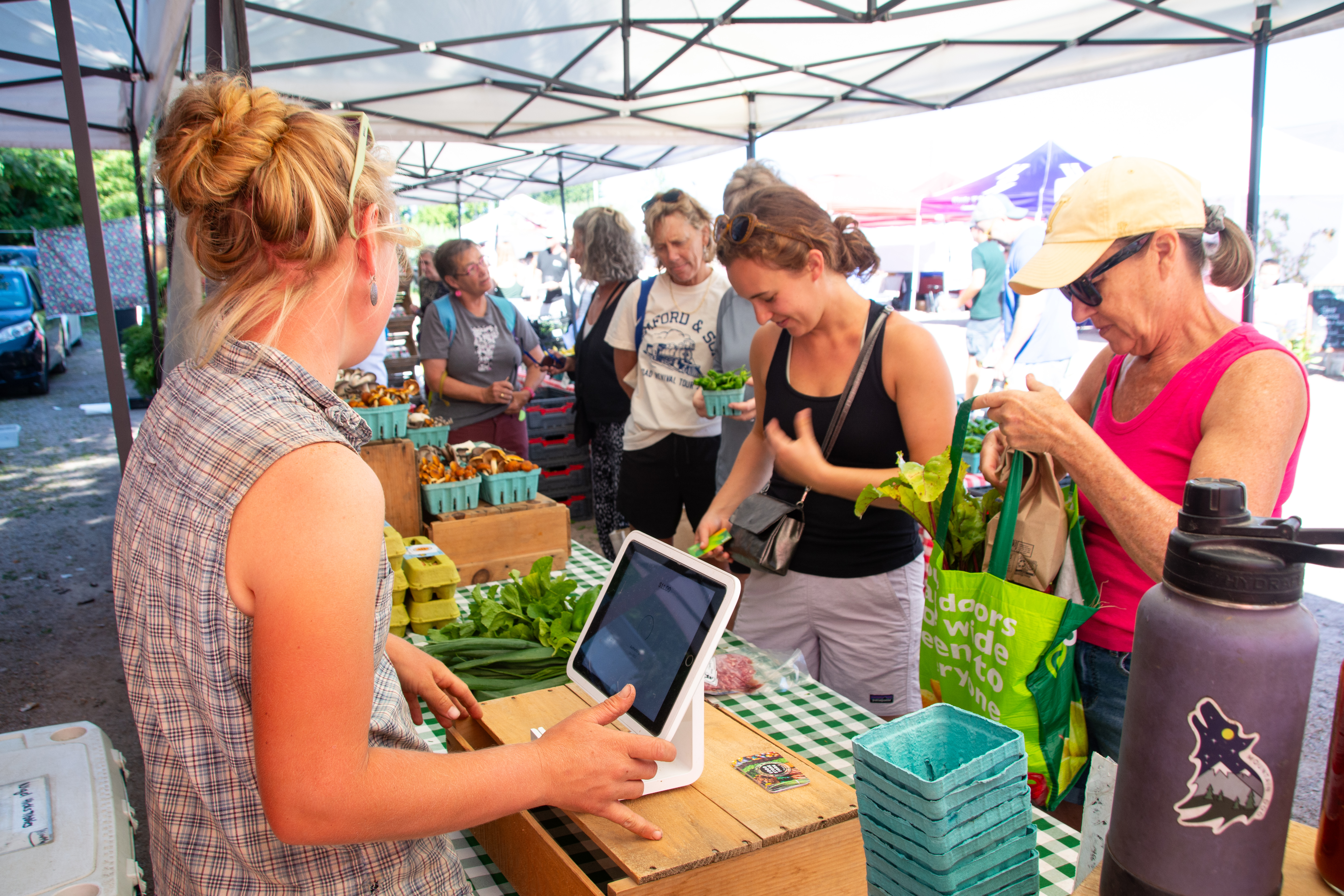
As the Local Food Access Director at the Northeast Organic Farming Association of Vermont (NOFA-VT), part of my job is supporting farmers and farmers markets to become SNAP-authorized, implement SNAP processing at their farm or market, and navigate the rules of the program. From what I have observed over the last year and a half, there are two main channels through which SNAP retailers are being targeted to decrease participation:
- Overly burdensome requirements for authorization and eligibility
- Targeted surveillance and harsher enforcement
While USDA says these tactics dispel what it considers to be rampant “waste, fraud, and abuse” of SNAP, fraudulent use of SNAP is incredibly uncommon and not addressed by USDA’s new efforts. In 2023 (the most recent year that data is available), less than 1% of SNAP users were doing so fraudulently, and their benefits were discontinued. In reality, the heightened requirements, bureaucracy, and surveillance actively harm small community grocery stores, farm stands, and farmers markets—and ultimately our entire local economy.
Changes in Retailer Requirements: Administrative Hoops and Stricter Regulations
For a farm owner, farmers market manager, or grocery store owner, navigating the SNAP retailer authorization process has never been easy. The burdensome application includes submitting a copy of the Social Security card of a “responsible official.” This requirement alone, which is meant to ensure an individual is legally liable for any incident of SNAP fraud at the establishment, deters many farmers market managers (often volunteer or low-paid) and small store owners who don’t want to take on that level of risk personally.
Retailers who decide to move forward with the application have recently had to jump through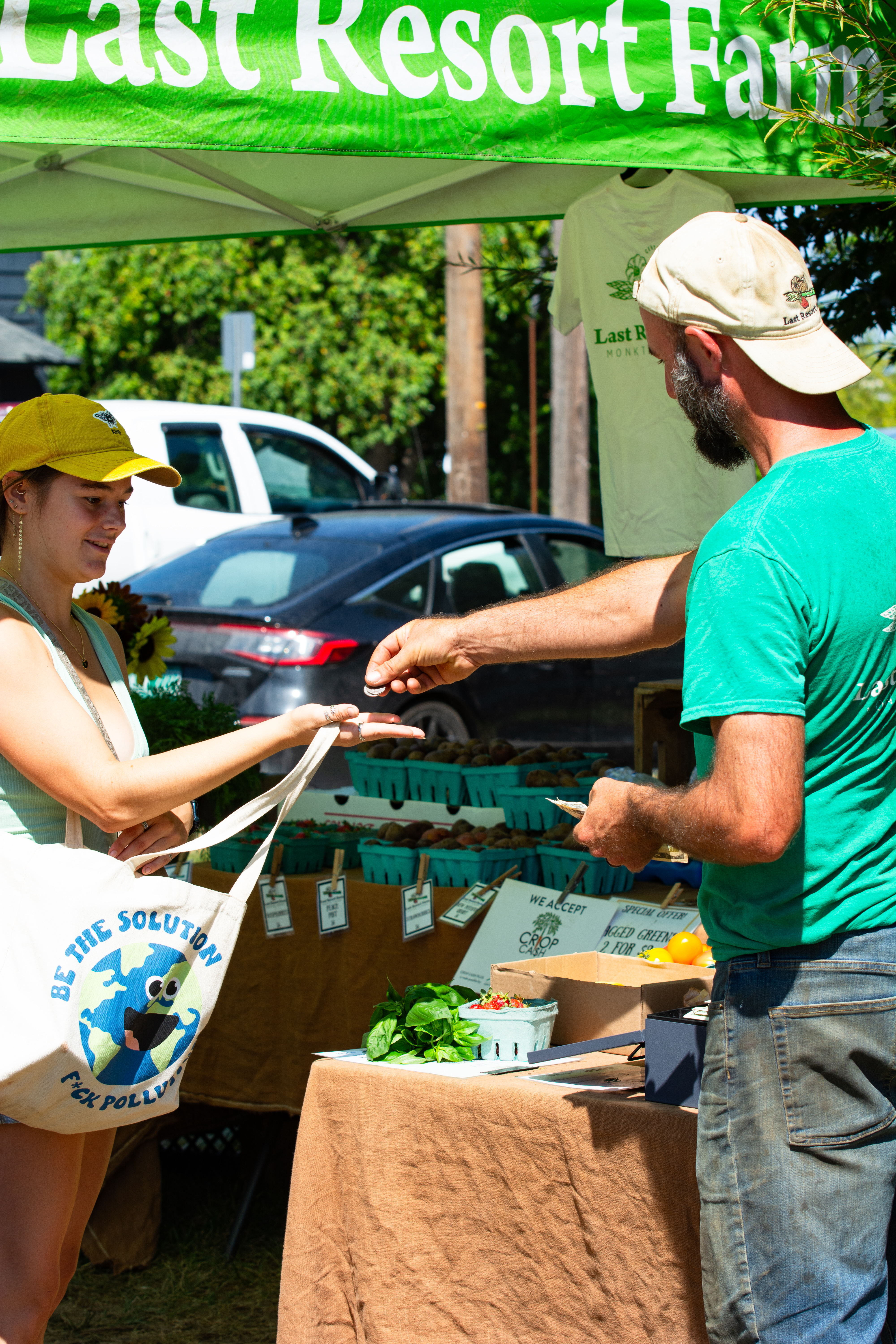 even more hoops, such as providing additional materials requested by USDA’s Food and Nutrition Administration (FNA) that are not in the application itself. Based on what farmers and farmers market managers have reported to me, the information requested varies by FNA staffer, and terms are not used consistently.
Applicants typically have 30 days from when that message is sent to submit the information. For a busy farmer applying to accept SNAP benefits from customers, unexpected requests for specific information can be hard to distinguish from a scam request, confusing to understand, or difficult to pull together in the short timeline. Reductions by over 30% in FNA staffing in 2025 have made it even harder than it used to be to reach someone on the phone to ask questions or to confirm whether the follow-up paperwork was received. If an application is not completed within 30 days of starting, it will be deleted, and the applicant must start over.
Compounding the administrative hurdles of the application are new challenges such as the increased retailer stocking standards that USDA announced this year. Starting on November 4th, SNAP-authorized retailers must stock a larger variety of types of food at all times in order to maintain eligibility. On its face, this looks like an effort to increase healthy food options for SNAP customers. In reality, however, this will make it harder for farmers markets, small food retailers, and general stores to accept SNAP. USDA estimates 5,000 retailers will lose authorization because of this new ruling.
The extent of the tremendous pressure the federal administration is placing on food retailers does not stop there. USDA has urged states to apply for legally dubious “waivers” to further restrict what SNAP shoppers can buy with their benefits. This waiver allows states to sidestep existing federal rules, allowing each state to redefine SNAP-eligible foods. Not only is this harmful to the autonomy of SNAP shoppers, it also creates a logistical nightmare and costly process for SNAP retailers.
Increased Oversight: Third-Party Site Visits and Secret Shoppers
There has been a national trend of increased oversight of SNAP retailers, and we’ve seen it in Vermont as well. It is legal for USDA to contract with third-party auditors to visit grocery stores and farmers markets to verify they are following SNAP rules. However, the uptick in site visits and so-called “secret shoppers” over the last year has raised flags for me and others in the field.
In 2025 alone, three Vermont farmers markets received unexpected visits from third-party “SNAP field reviewers.” Typically, SNAP retailers are only visited as a final step in their authorization process, and site visits like this are virtually unheard of at farmers markets. Aprille, the Champlain Island Farmers Market manager, described the experience as “very weird and uncomfortable.” They would have lost their SNAP authorization, had they refused to sign a form allowing the visit. Ultimately, the only note the market got was that they must hang up the “SNAP Fraud and Abuse” poster at all times, which echoes other markets’ experiences.
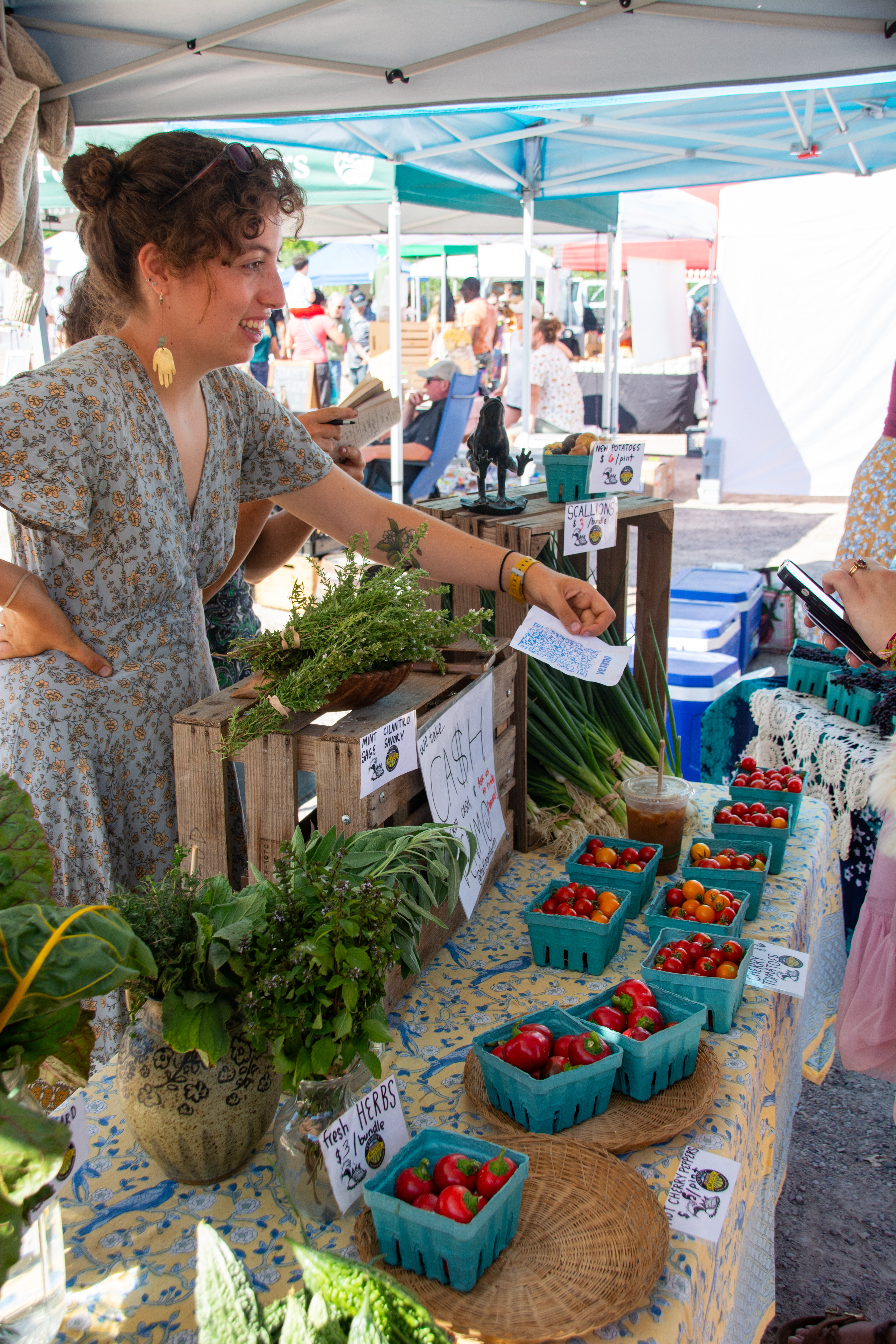 Over the past several months, the more pernicious “secret shoppers” have also been active in Vermont and around the country. Secret shoppers intentionally try to scam a cashier by attempting to use benefits to purchase an item not eligible for SNAP. An incident earlier this year in Cambridge resulted in the only store in town having its SNAP authorization revoked. USDA chose to impose the harshest penalty for this first-time infraction rather than a monetary fine, as is within USDA’s discretion. When USDA revokes a store’s authorization to accept SNAP, the store must wait six months to reapply, and sometimes the administrative burden involved in reapplying discourages the owners or managers from doing so. Actively entrapping stores and revoking authorization is particularly concerning in rural areas, where the store stripped of its SNAP authorization may be the only place for communities to buy food nearby.
Economic Impact of Declining Participation
During economic downturns, every $1 in SNAP benefits generates up to $1.80 in economic activity, supporting farms, grocery stores, and other local businesses. An investment in SNAP is an investment in our local economy. Currently, $11.3 million in SNAP flows into the Vermont economy every month, down from $12.4 million per month a year ago. Losing the ability to accept SNAP as tender, plus the shrinking number of community members receiving SNAP, means that small businesses lose an important income source.
Yes, we need to know that our taxpayer dollars are investing in programs with integrity, and to minimize abuse. But, SNAP is arguably one of the most scrutinized programs and, time and time again, has proven to be an effective anti-poverty tool and economic stimulus. The slashing of this program, on both the household and retailer ends, unfairly makes business operations more complicated for Vermont’s farms and food retailers just trying to squeak by, and cruelly strips away basic needs for children, older adults, and folks with disabilities—with the only clear benefit being financial support for billionaires. I believe our state and federal governments should be finding every way possible to make it simpler, not more complicated, to ensure that the people who live, work, grow food, and eat here thrive.