March 31, 2026
Attorneys presented arguments today in federal court in the first legal challenge in the nation to a climate superfund law, which requires certain large fossil fuel companies to pay their fair share for the necessary changes communities must make to prepare for and bolster ourselves against more severe weather and climate impacts.
Conservation Law Foundation (CLF) and the Northeast Organic Farming Association of Vermont (NOFA-VT) defended Vermont’s groundbreaking climate superfund law during the hearing at the U.S. District Court in Rutland. The law is being challenged by the United States, the American Petroleum Institute, the U.S. Chamber of Commerce, and a coalition of 24 Republican-led states’ attorneys general.
"Fossil fuel companies and their allies are trying to avoid responsibility, challenging a law that will make them pay their fair share of costs to adapt to a changing climate. States have every right to protect their residents, and Vermonters shouldn’t be left holding the entire bill to guard ourselves against the destruction caused by severe storms, flooding, and the host of other impacts from our warming planet,” said Kate Sinding Daly, senior vice president for law and policy at CLF. “This law can help build a more prepared Vermont for everyone.”
Vermont’s roads, bridges, downtowns, and farms have endured more than $1 billion in damage from several years of flooding after intense storms. Vermont is among the top states with the most federal disaster declarations caused by extreme weather.
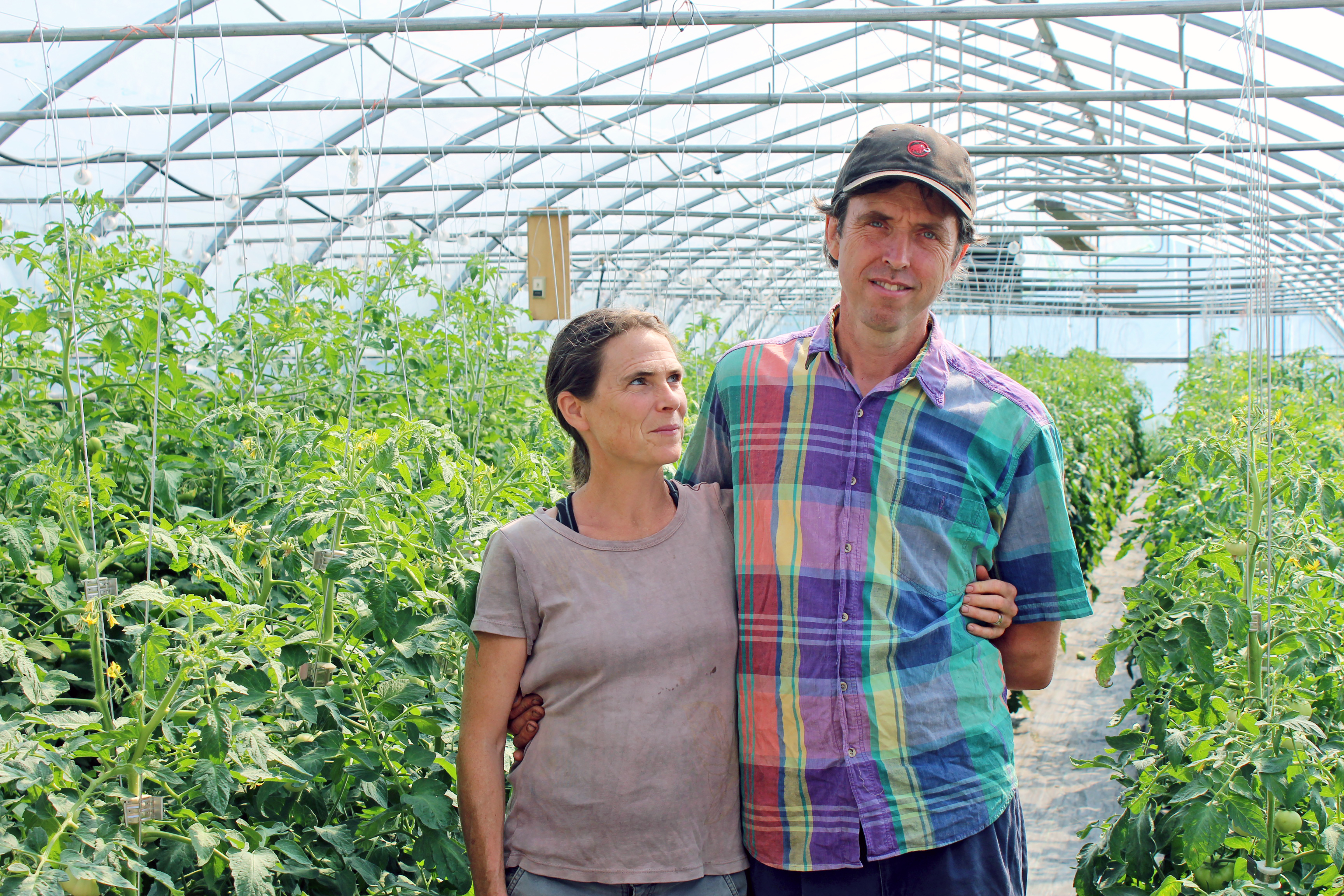
"It is impossible to farm and grow food on any significant scale without being impacted by the climate extremes and aberrations clearly caused by burning fossil fuels,” said Scott Greene, farmer at Singing Cedars Farmstead, a vegetable and livestock farm in Orwell, Vermont, that supplies food to farmers markets, grocery stores, and restaurants across the state. “Every year on our farm we make significant infrastructure investments to protect our crops, and every season we face significant crop-destroying challenges from weather extremes: frosts, excessive heat damage, wind, tornadoes, flooding, soil saturation, and overall impossibly hot work conditions."
During the hearing, Judge Mary Kay Lanthier considered motions that will determine whether the lawsuits move forward or are resolved before trial. The judge is expected to issue a decision on the motions at a later date.
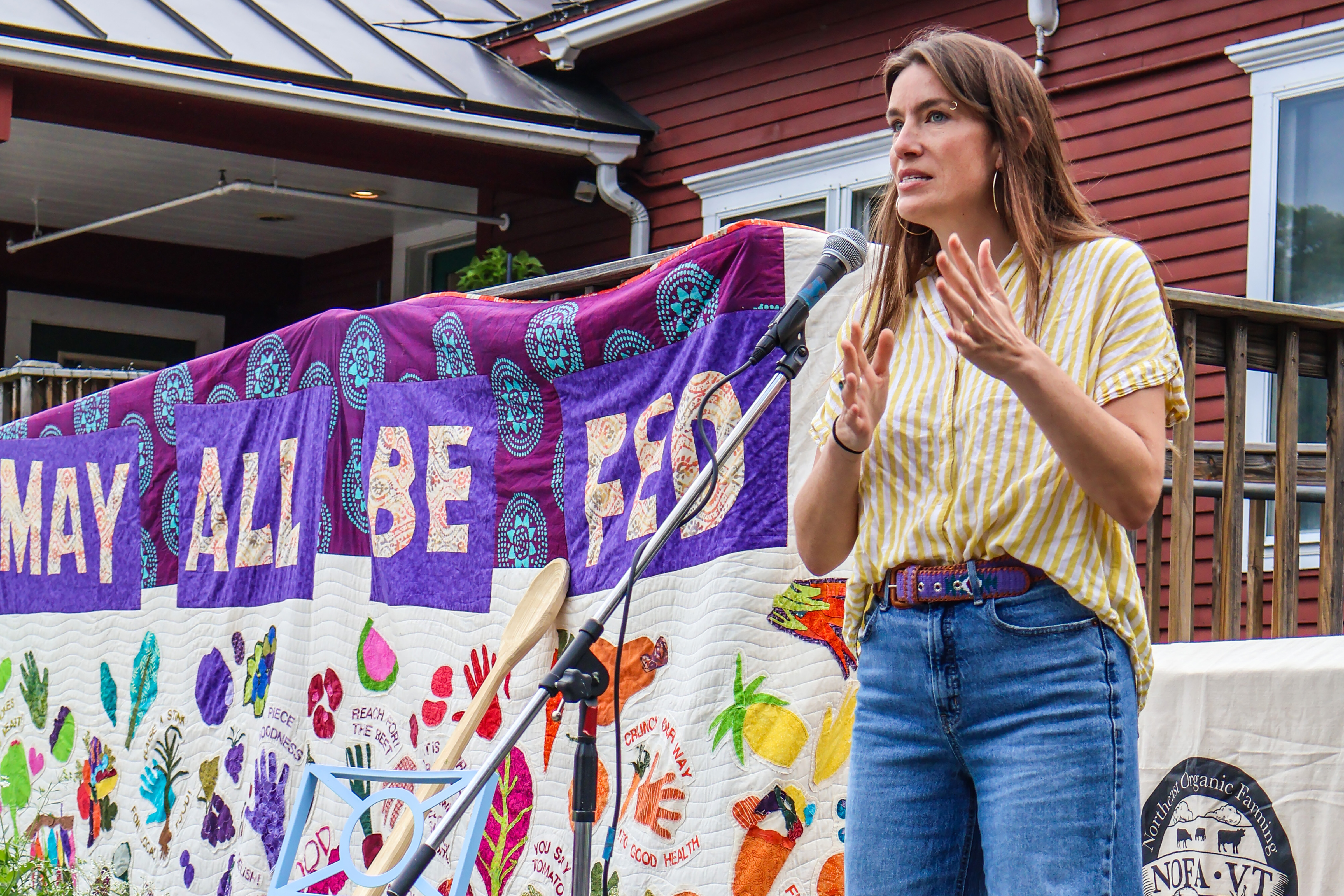
"Farmers globally have been, and will continue to be, enormously impacted by the climate crisis,” said Grace Oedel, executive director of NOFA-VT. “Vermont clearly has the right to raise funds and protect the well-being of its people, and this law helps Vermonters and our local farmers prepare for the increasingly volatile weather ahead. We know what’s behind the worsening extreme weather affecting our farms, and it’s fair for fossil fuel companies to bear some of the cost of critical climate adaptation projects."
CLF is co-represented by its own legal counsel and attorneys at NRDC (Natural Resources Defense Council). NOFA-VT is represented by attorneys from NRDC and Stris & Maher LLP.
“The Climate Superfund Act is a one-time financial assessment that will provide resources for Vermonters, including farmers and municipalities, to adapt and become more resilient as we head toward an uncertain future,” Bridget Asay, partner, Stris & Maher, LLP, representing NOFA-VT, told Judge Mary Kay Lanthier during Monday’s hearing. “It is not preemptied. It is not unconstitutional.”
Passed in May 2024, the law requires certain large fossil fuel companies to pay for a share of climate change adaptation costs attributable to their fossil fuel production and refining from 1995 to 2024. Lawmakers elsewhere are proposing or passing legislation similar to Vermont’s law. New York became the second state to enact a climate superfund law, and at least 10 other states have legislation pending.
The cases are Chamber of Commerce of the USA, et al. v. Julie Moore et al. and USA et al. v. State of Vermont et al.
####