March 16, 2026
NOFA-VT's State Policy Priorities:
Farm Security Fund
The Farm & Forestry Operations Security Special Fund (S.60) has now passed unanimously out of both the House and Senate! Because there are differences between the versions passed by each chamber, a few more steps are required before the bill heads to the Governor for his signature. We are tracking it every step of the way and will let you know when there are key opportunities to take action to ensure the bill is passed into law this session.
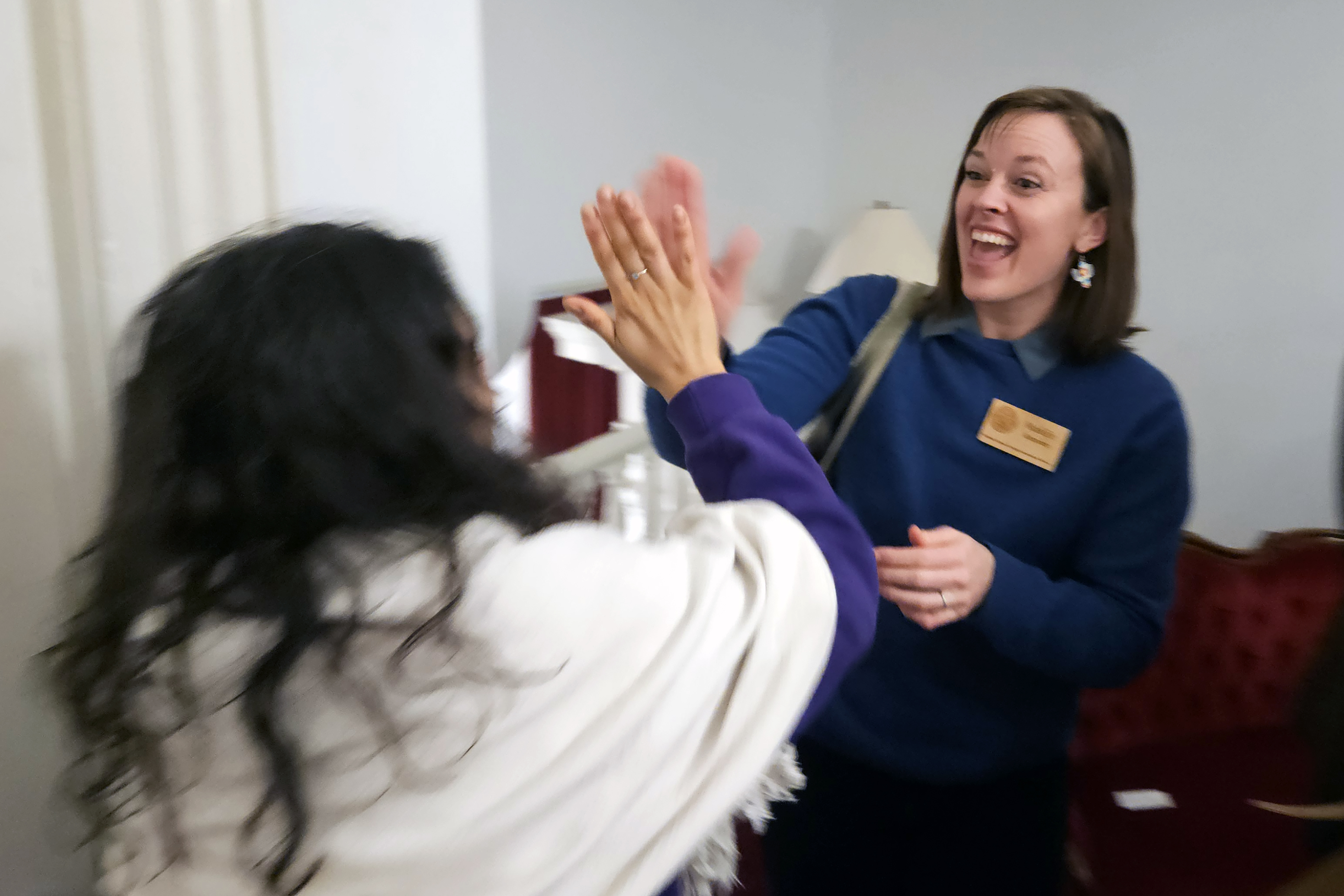
While we work to keep the bill moving forward, we are also engaging in the budget process, urging the legislature to appropriate funds for the Farm Security Fund in the state budget so the program can begin this year. In February, NOFA-VT members and partners shared powerful testimony with the House and Senate Appropriations Committees advocating for $15.6 million for the fund to ensure Vermont’s farmers have the support they need to recover from extreme weather.
Local Food Security
NOFA-VT is grateful to have received $450,000 in one-time funding during the 2025 legislative session (for FY26) for Crop Cash, Crop Cash Plus, and Farm Share. This funding has allowed us to maintain increased food security while directly supporting local Vermont farmers. Because the funding was a one-time allocation, NOFA-VT is once again requesting $500,000 in ongoing funding this legislative session to support these proven programs for FY27. The state’s investment in these longstanding food security initiatives has an outsized impact on Vermont communities, ensuring that low-income Vermonters can purchase fresh, local food, while Vermont farmers receive a reliable, fair price for their goods—a win-win!
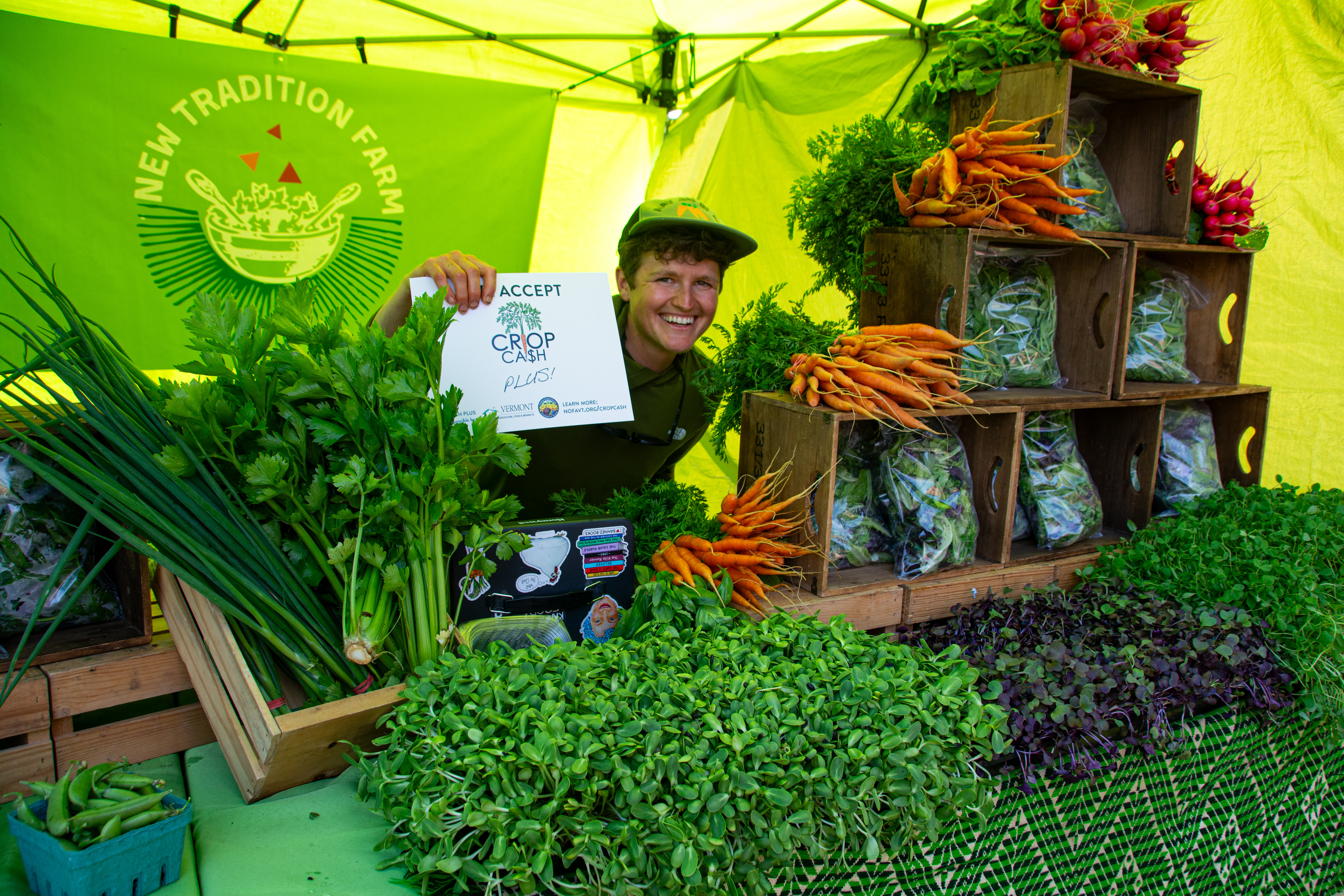
A bit more about these programs:
- Crop Cash: Doubles 3SquaresVT (SNAP) benefits for fruits and vegetables at Vermont farmers markets and leverages federal funding to match state funds.
- Crop Cash Plus: Extends Crop Cash to include meat, dairy, eggs, bread, and more — benefiting hundreds of farmers and thousands of low-income Vermonters.
- Farm Share Program: Subsidizes 25–75% of the cost of a CSA share for families across Vermont, ensuring more equitable access to local food and fair compensation for farmers.
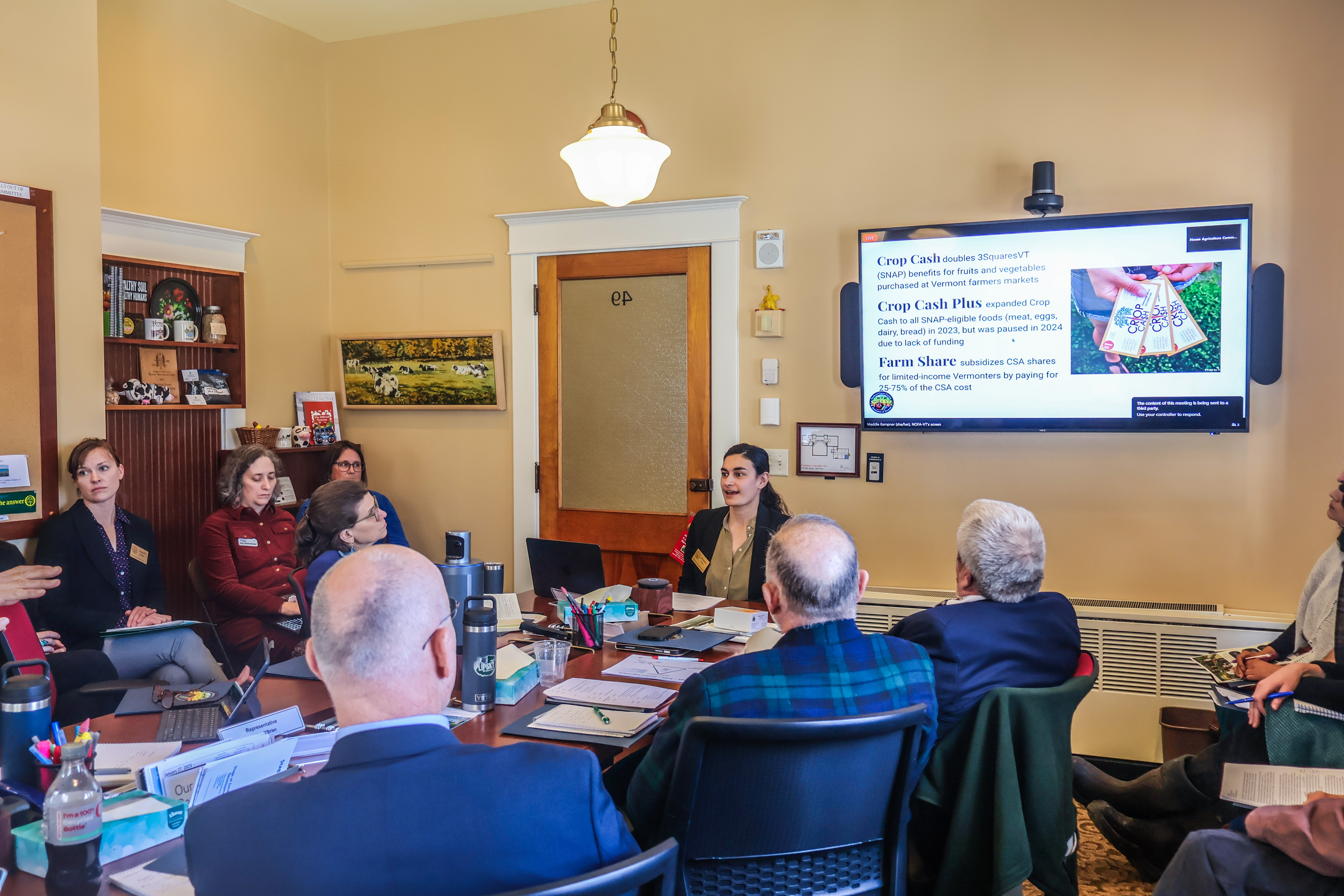
With FY26 funding, we have successfully expanded Crop Cash and Farm Share to help meet the demand for these important programs. State funding is helping us shorten program waitlists, bring more funds to local farms, and ensure more households can afford a consistent supply of local food. Specifically, funding has had the following impacts:
- Farm Share: Supported over 530 households — more than 1,450 individuals.
- Crop Cash (2025 season): Invested $200,000 across 40+ summer and 20 winter farmers markets and farm stands, generating over 10,500 SNAP transactions.
- Crop Cash Plus: Expanded Crop Cash beyond produce, doubling the number of farmers receiving income and adding $77,000 in farmers market spending between July and December, boosting farmer revenue and food security for low-income Vermonters.
- State support impact (FY25–FY26): Leveraged approximately $1.6 million in local food purchases through additional community contributions and SNAP dollars at farmers markets.
- Current season projection: Directing over $850,000 in revenue to Vermont farms through Crop Cash, Crop Cash Plus, and Farm Share.
Adequate Funding Appropriations
Public funding for the Farm Security Fund and our local food security programs marks a crucial step forward on the Vermont Food Security Roadmap, a plan we are implementing with a coalition of partners to ensure all Vermonters are food-secure by 2035.
Governor Scott’s budget did not include funding for Crop Cash (Plus), Farm Share, or the Farm Security Fund, so it is up to the Legislature to include these allocations in their budget this session.
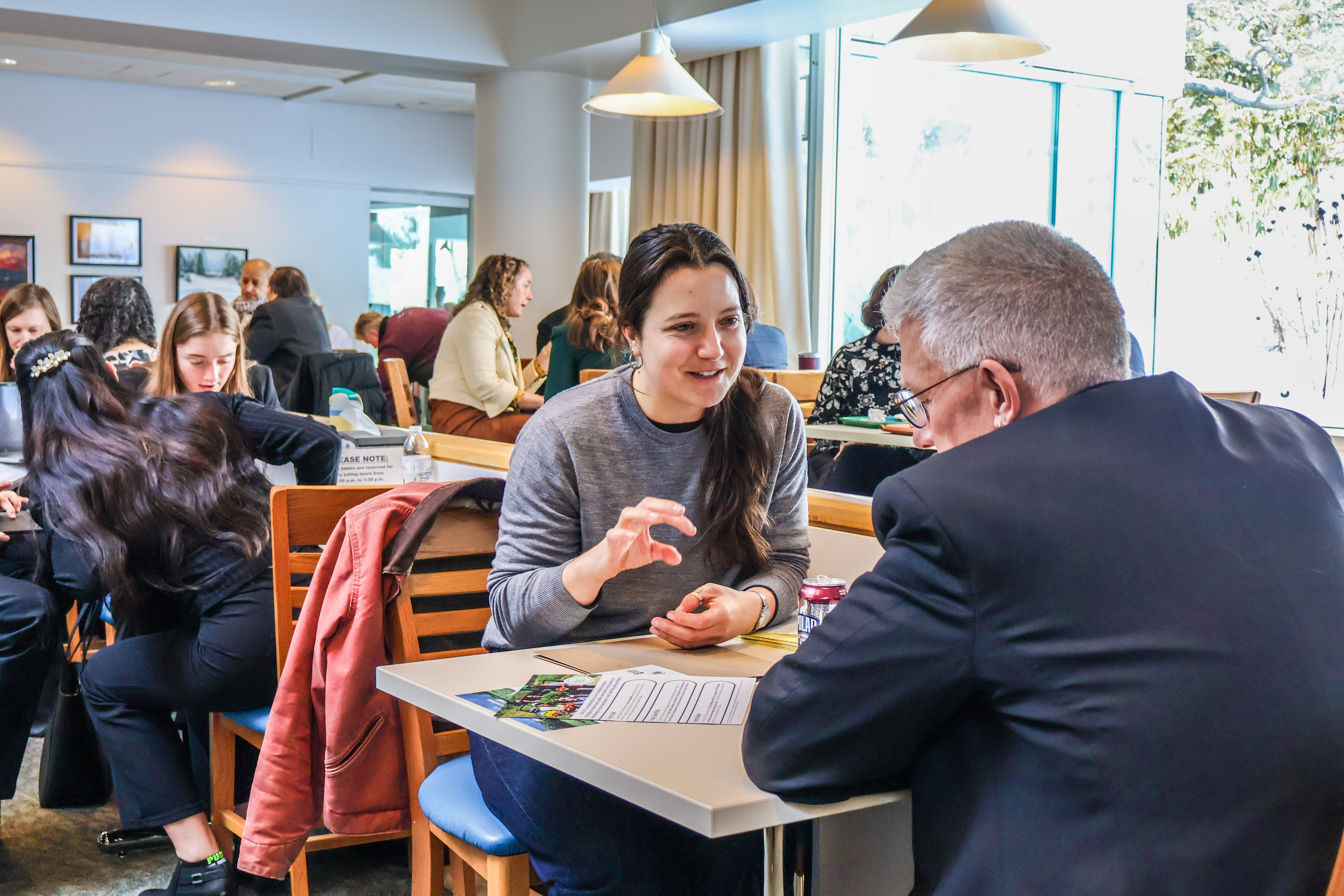
The House Agriculture Committee has included our requests in their budget memo to the House Appropriations Committee. As of early March, we anticipate that the House Appropriations Committee will consider this recommendation as they develop their version of the FY27 budget. Next, we will advocate for the Senate to include our requests via the Senate Appropriations Committee. Once both chambers have developed their budgets, they will come together to reconcile any differences.
Other Bills We Are Tracking:
Municipal Exemption for Agriculture & the Right to Grow Food
On May 30, 2025, the Vermont Supreme Court ruled that farming is not exempt from all municipal regulation, overturning nearly 40 years of precedent and legislative intent. This new authority allows municipalities to determine where farming may or may not occur, potentially requiring new permits, increased operational costs, and additional regulatory hurdles for farms, many of which already face financial vulnerability. Agricultural and land access advocates warn that the ruling could create a patchwork of local regulations that undermine farm viability, food production, and the stability of Vermont’s agricultural economy.
NOFA-VT is partnering with a diverse group of farming organizations to advocate for a clear and consistent regulatory framework for farmers, and to return the “ag exemption” to its original intent.
Act 59 (Vermont Conservation Plan)
The Vermont Conservation Plan—also known as 30x30, Act 59, and Vermont’s Community Resilience and Biodiversity Protection Act—calls for the Vermont Housing & Conservation Board (VHCB) to develop a statewide conservation plan in consultation with the Agency of Natural Resources and with input from communities, landowners, and partners across Vermont.
After eighteen months of inventorying, studying, and community input, an expanded draft Conservation Plan framework has been developed by VHCB, and they are seeking public input before it is finalized and sent to the state legislature in June.
NOFA-VT is partnering with a diverse group of farming organizations to advocate for a clear and consistent regulatory framework for farmers, and to return the “ag exemption” to its original intent.
This broad coalition of Vermont’s agricultural and land access organizations is coming together to host an informational webinar on Tuesday, March 24th, from 9:30-11:00 am to discuss this change in state policy affecting farms across the state. Join representatives from organizations including Rural Vermont, Vermont Farm Bureau, Agri-Mark, Cabot Creamery, NOFA‑VT, the Vermont Association of Conservation Districts, the Connecticut River Watershed Farmers Alliance, Vermont Farm to Plate, and the Land Access and Opportunity Board to:
- Learn what the ruling means for farms and communities
- Hear updates on the coalition’s work at the State House
- Understand the proposed compromise
- Share your thoughts, questions, and experiences
We hope to see you there! You can pre-register to receive the webinar link.
S.208 and S.209
NOFA-VT supports S.208 and S.209, two bills that will help make our communities safer, particularly for those targeted by immigration enforcement. S.208 requires agents to identify themselves by name and agency, and limits the use of face masks. S.209 prohibits immigration detentions in certain sensitive locations such as schools, hospitals, and places of worship. Both bills are being championed by a host of allies, including Migrant Justice.
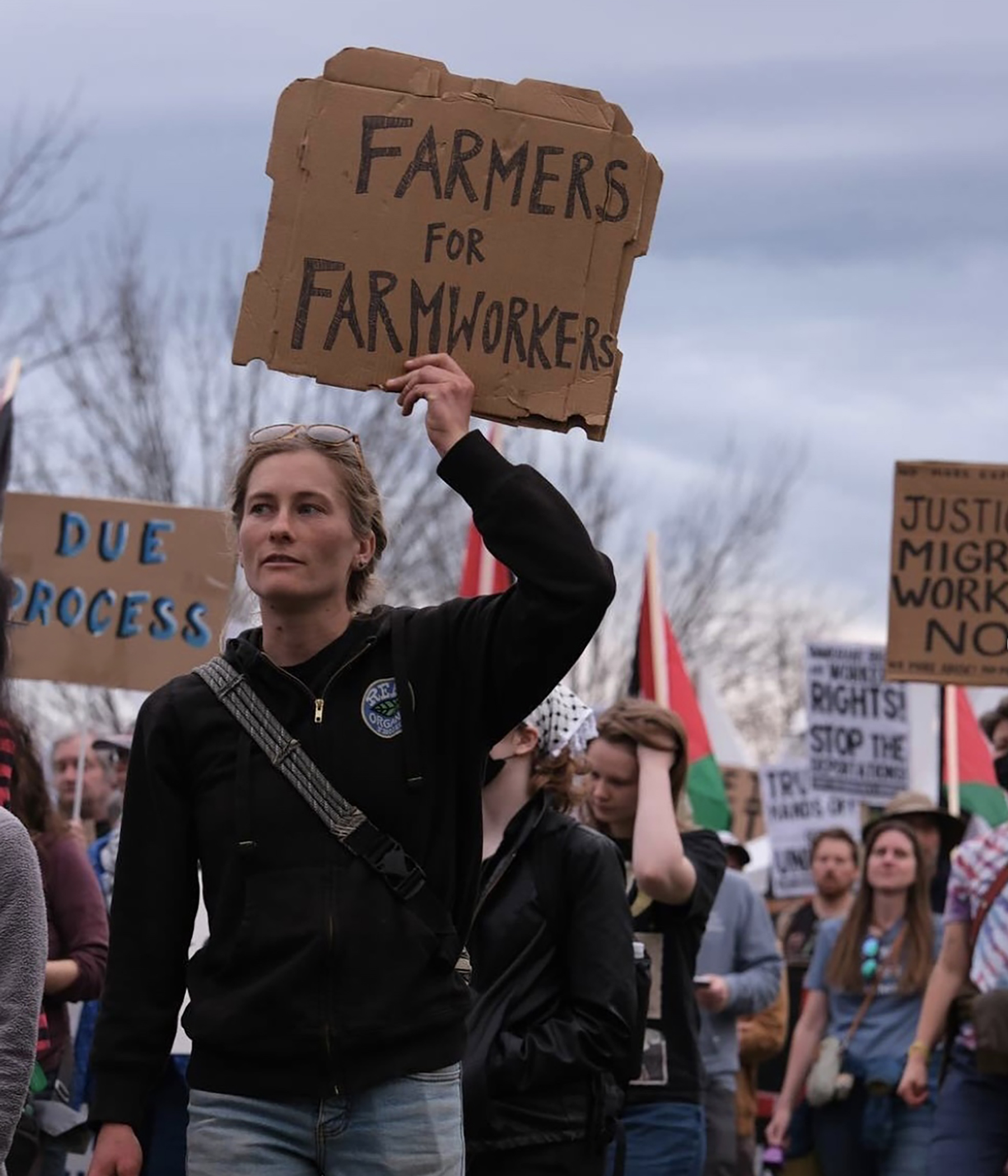
As NOFA–VT’s Policy Steering Committee, a group of NOFA-VT members who lead the direction of our policy work, considered taking positions on these bills, they reflected on the heavy reliance on immigrant labor in Vermont's food and farm systems, and on our responsibility, as a farming organization primarily made up of white people, to show solidarity and support. They also referenced the Declaration of Independence, specifically its list of grievances against King George, including: “He has erected a multitude of New Offices, and sent hither swarms of Officers to harass our people, and eat out their substance.”
As of early March, both bills passed nearly unanimously through the Vermont Senate and are now in the House Judiciary Committee.
Member Leadership at the State House:
Together, we are working hard on the ambitious set of policy goals shared above. We accomplish this important work together as a NOFA-VT community—and at the center of that community are our members.
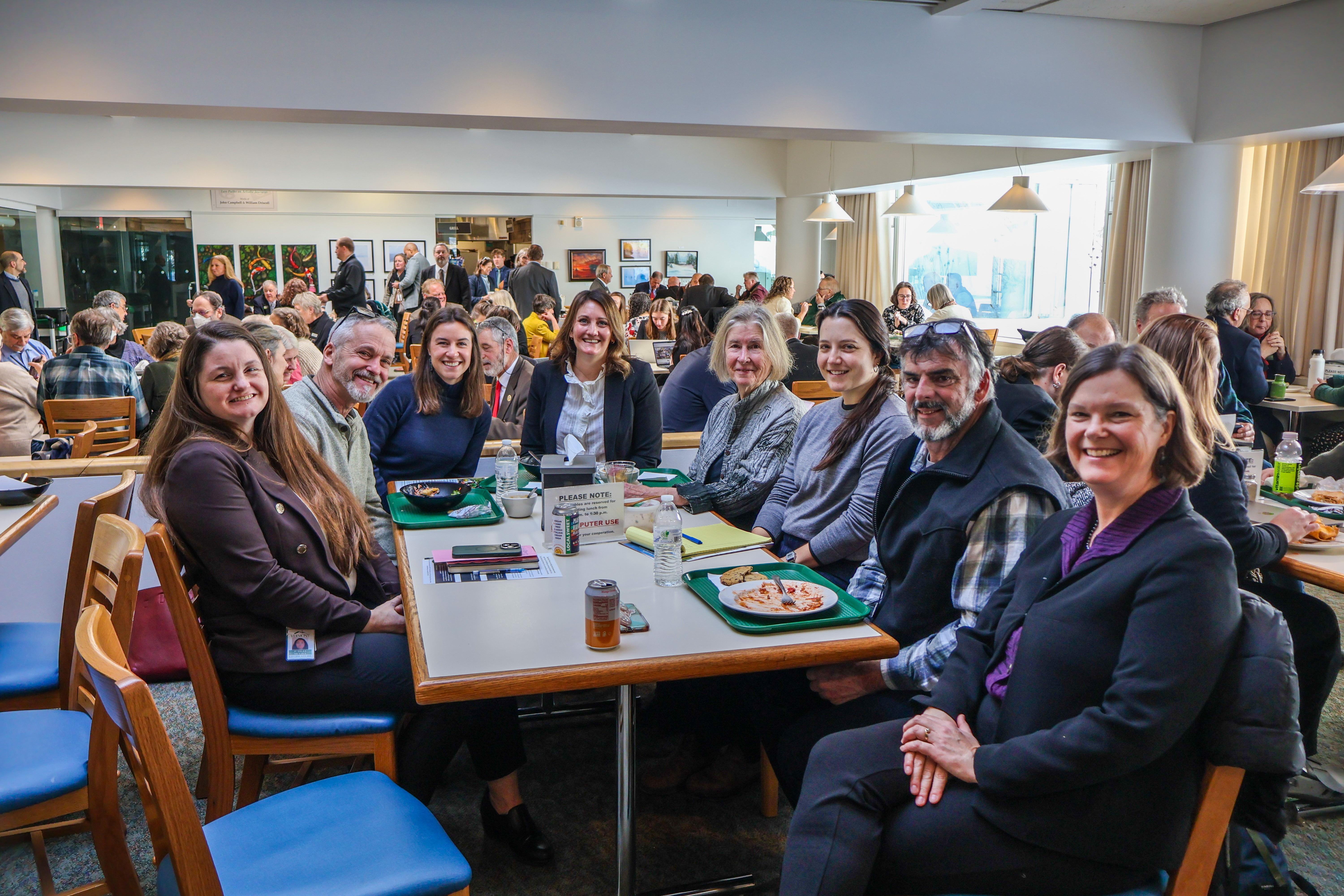
We are grateful when members invest their time, energy, and heart to lead this work. From envisioning what’s needed for farm and food security to developing and advancing our policy goals by engaging neighbors, networks, and legislators, members are driving impactful, long-lasting change.
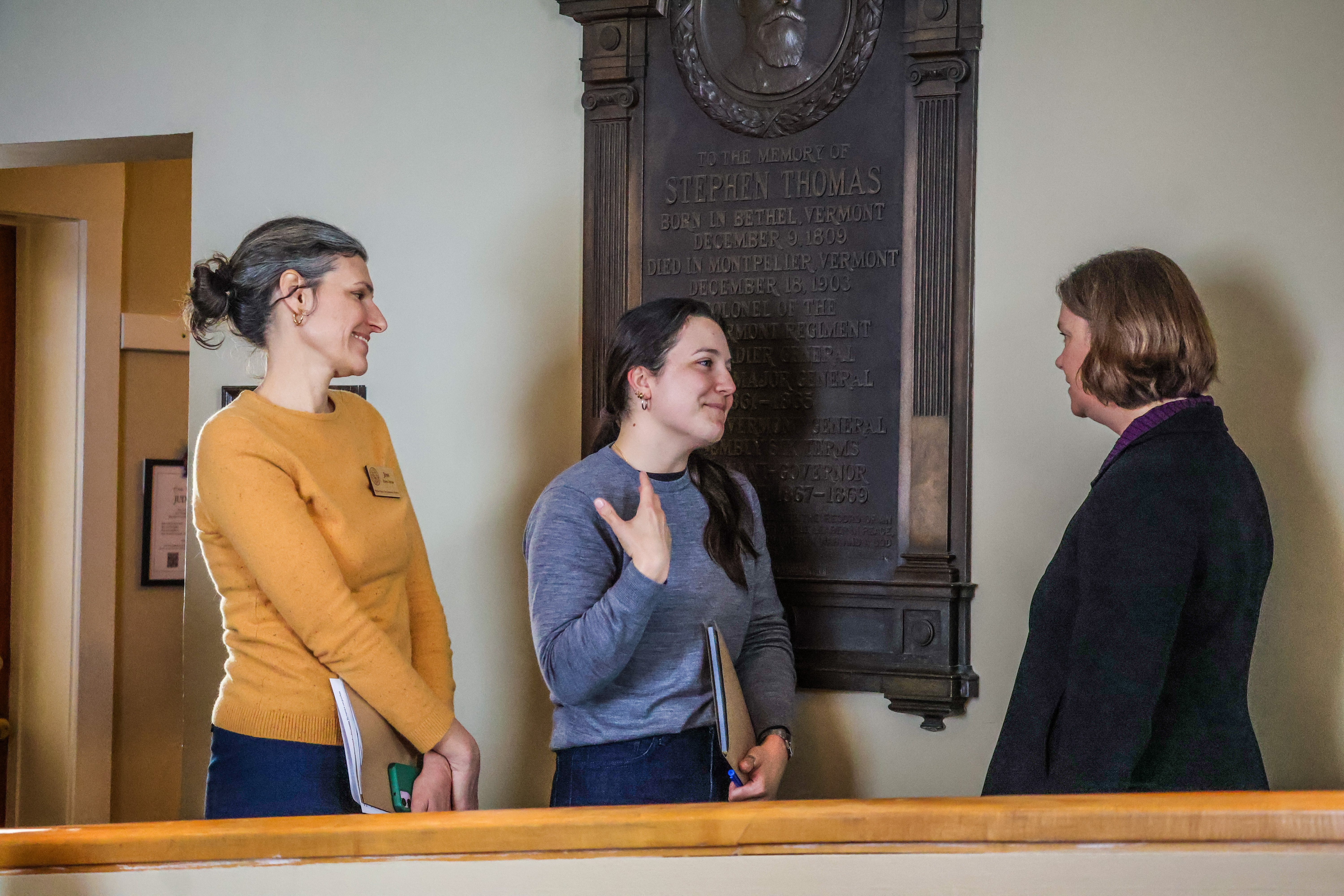
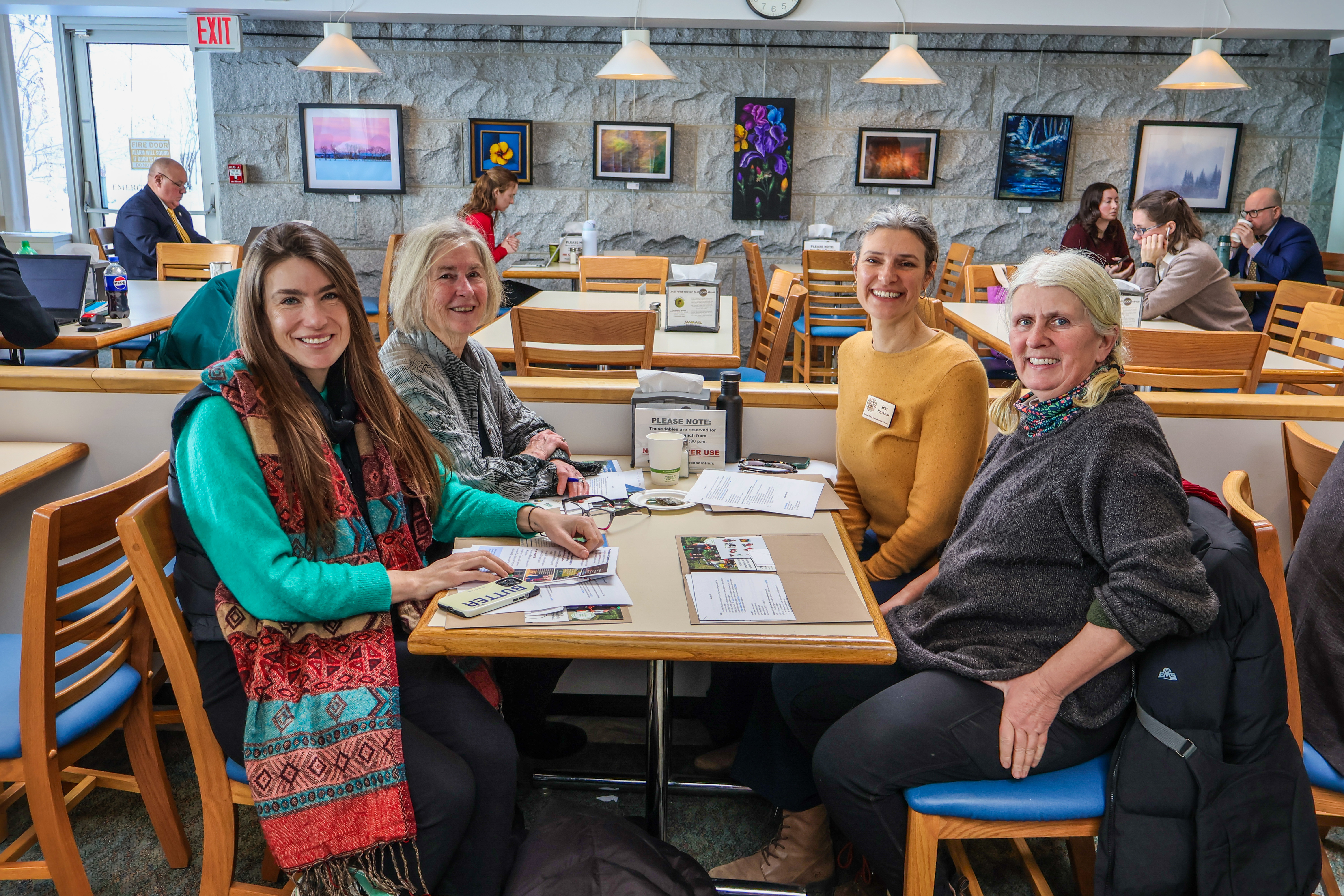
Please enjoy these reflections from members who participated in a recent State House Day:
“As I told my daughter about the day I spent at the State House, she noted my voice filled with more and more excitement. The atmosphere in the halls, hearing rooms, and cafeteria is open, alive, and attentive; I exaggerate, but it felt like everyone you passed or spoke to was taking you in, while at the same time keeping an eye on everyone else. The efforts that NOFA-VT made last Wednesday to inform and support each of us was effective and extraordinary. I look forward to participating again later in the session if NOFA-VT needs me!”
–Susan Smiley, NOFA-VT member in New Haven
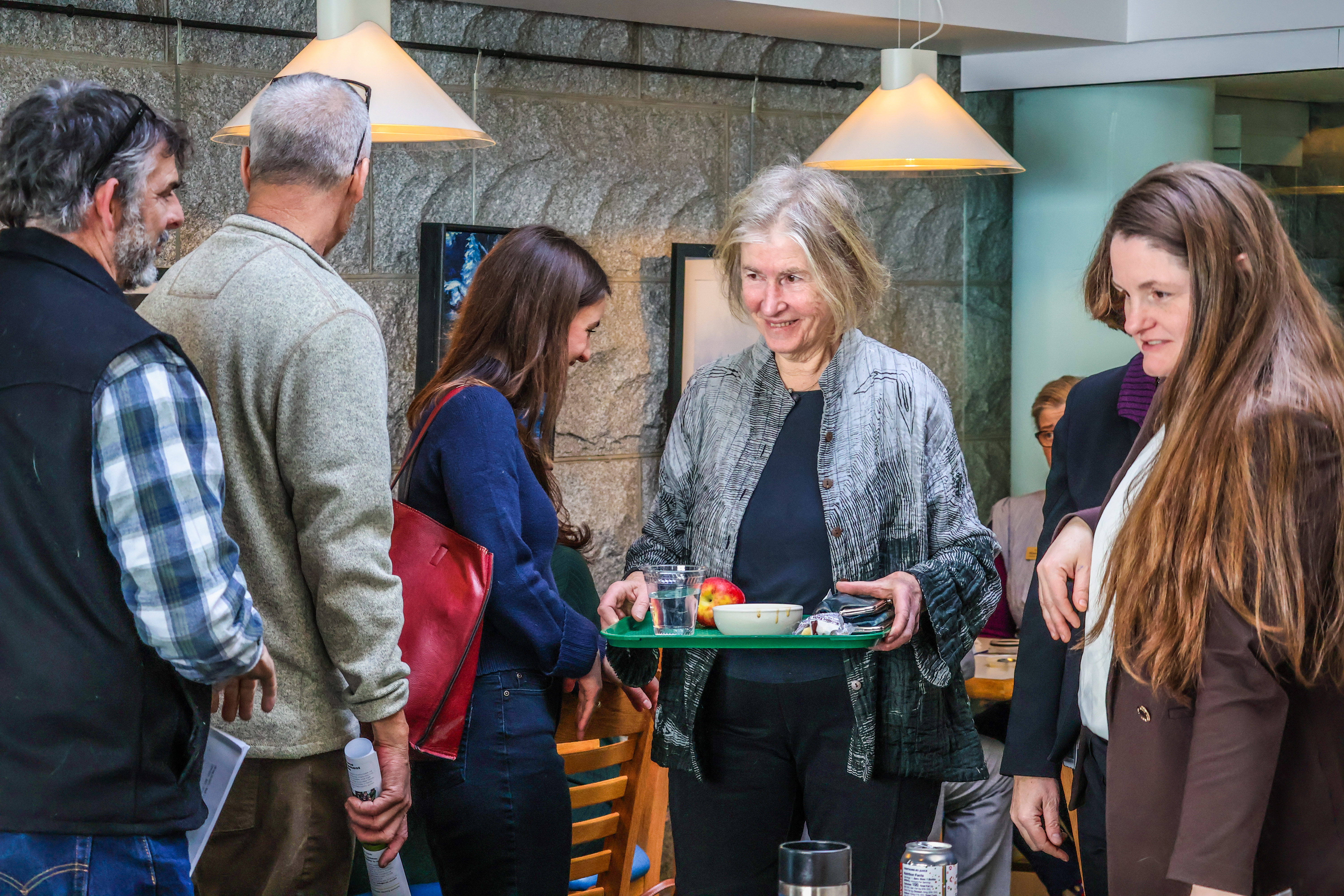
"Visiting Vermont’s State House last week felt like a small leap of faith. I had no obvious skin in the game; I’m not a farmer, and I’m not a recipient of food subsidies. But I am an eater and community member.
As I walked in, I reminded myself that this is a house built for everyone. With NOFA-VT’s support, I was prepared for conversations with my representatives about the Crop Cash (PLUS) and Farm Stand Match programs.
While speaking with my representatives was initially nerve-wracking, I quickly settled in once I remembered that they are, quite literally, my neighbors. They live just a few miles down the road, likely ski and bike the same hills I do, and shop at the same farmers markets. That realization grounded me.
It was deeply fulfilling to do my part; to speak my piece directly to the source, at a local level. The experience felt like a step toward deepening my relationship with place, food, and community here in Vermont. I’m already looking forward to my next visit to the State House and to continuing to build these skills."
– Christina Bertorelli, NOFA-VT member in Huntington