June 10, 2026
This spring, NOFA-VT Board Member Alexis Yamashita stepped in at a crucial moment for Vermont's seed community. A seed grower, community organizer, seed sovereignty advocate, and Food Systems PhD student at the University of Vermont, Alexis played a pivotal role in preventing proposed changes to Vermont seed law that could have impacted seed sharing, saving, and swapping across the state.
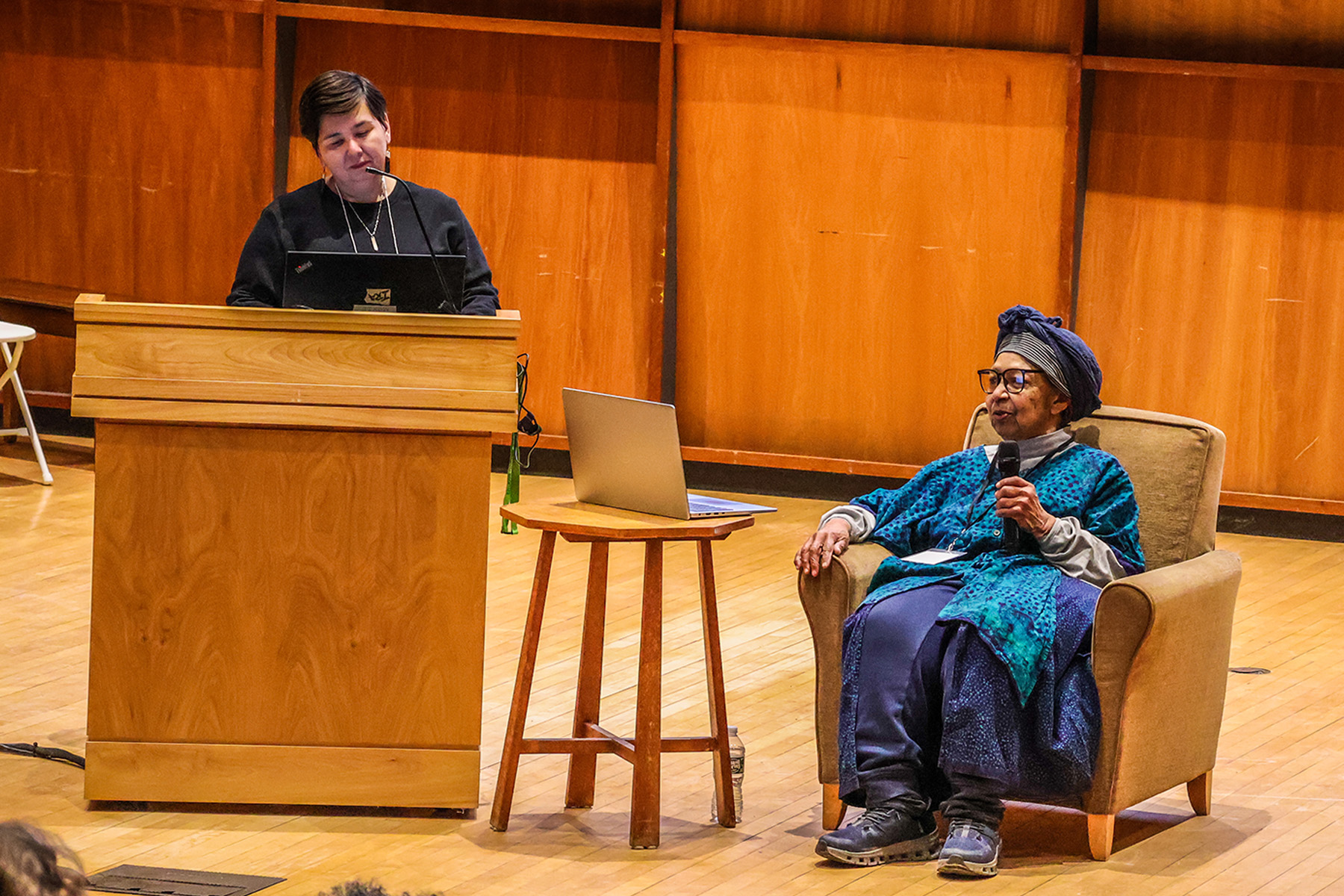
To help NOFA-VT members better understand what happened and why it matters, NOFA-VT Grassroots Organizer Jess Hays Lucas sat down with Alexis to talk about her relationship with seeds, her journey into legislative advocacy, and what's next for seed sovereignty in Vermont.
Jess Hays Lucas: Alexis, can you describe your relationship with seed growing and advocacy?
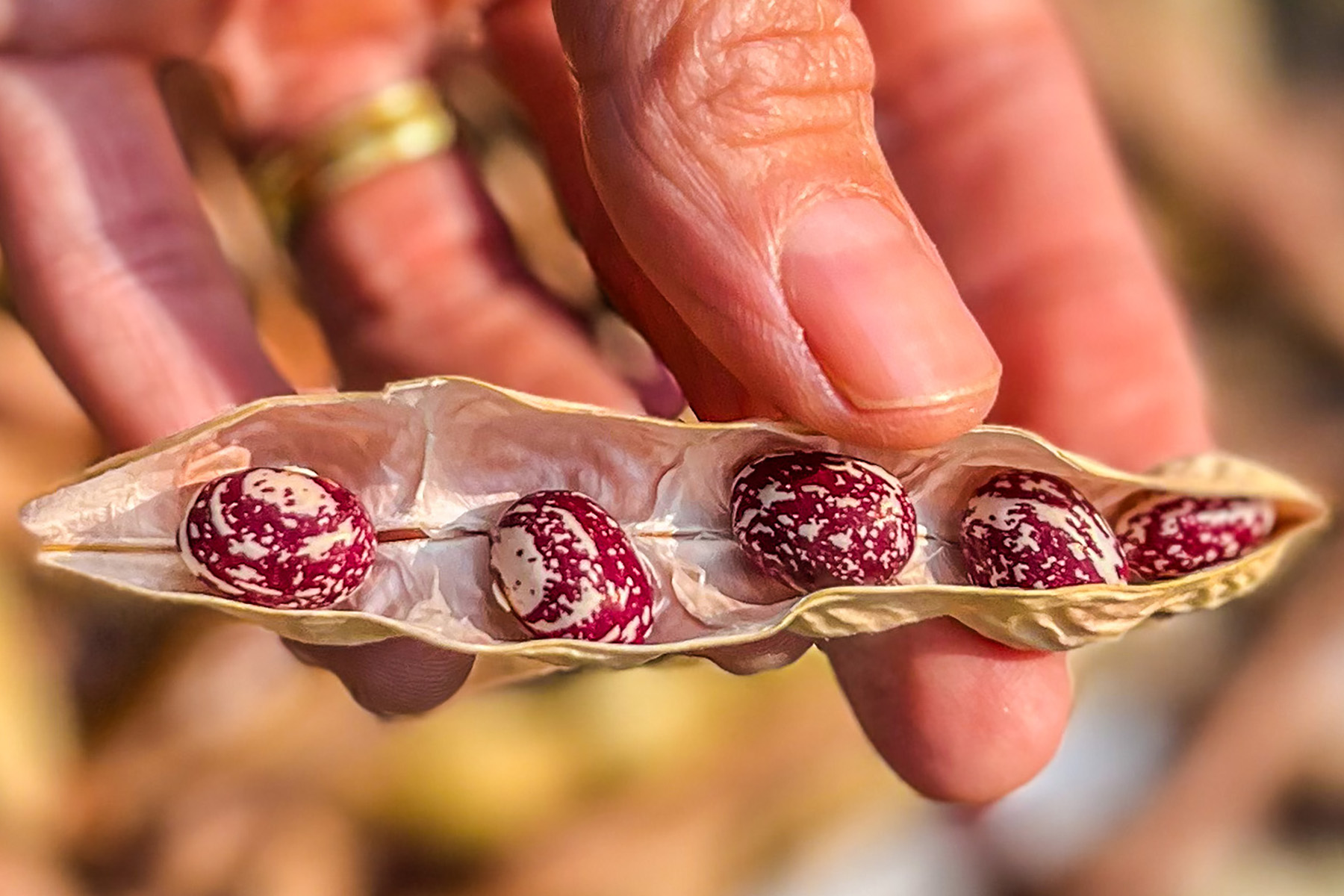
Alexis Yamashita: Seeds are my love. I was introduced to the beauty and complexity of seeds when I started working at Southern Exposure Seed Exchange. Along with being a new NOFA-VT board member, I'm currently a Food Systems PhD student at the University of Vermont, where I'm researching participatory plant breeding and the local adaptation of culturally meaningful seeds.
Jess: How did you get involved with seed policy this year?
Alexis: A friend from my graduate program, Summer Moeller, flagged the proposed changes to Vermont seed law in S.323, the miscellaneous agriculture bill. The bill had already passed through the Senate and was before the House Committee on Agriculture, Food Resiliency, and Forestry. Several of us, including folks from NOFA-VT and Rural Vermont, reviewed the bill, and it quickly became clear that it proposed more than technical updates.
The bill included a new definition of seed distribution that combined commercial and noncommercial seed activities. Those changes raised significant questions about potential impacts on seed access and broader issues related to seed systems and seed sovereignty.
Saving, sharing, and swapping seeds are important agricultural practices. We swap seeds at NOFA-VT's Winter Conference, trade seeds with neighbors, and participate in seed shares at local libraries. These community-based practices help bring more people into growing food and are a cornerstone of food resilience. The proposed changes in S.323 would have subjected these activities to additional regulation, creating new barriers and vulnerabilities.
We knew the legislative session was nearing its end and that there wasn't much time before the committee would vote on the bill. This was our last good opportunity to raise concerns. Maddie Kempner, NOFA-VT's Policy Director, and I asked to testify.
There is incredible diversity in what seed stewardship looks like across our seed and agricultural systems, and we want to protect that diversity. At the same time, there are dominant systems and influences that present real challenges, and we need to recognize them. I believe we all want to ensure that changes to Vermont's seed policies are shaped by Vermonters. It wasn't clear where these proposals originated or what problems they were intended to solve. I asked legislators to remove the proposed language from the bill so there could be more time for discussion and meaningful involvement from Vermont's seed community.
I'd never testified before, but I ended up testifying twice. I shared my concerns, my knowledge of the seed landscape, and the complexities of seed licensing and distribution policy. I also shared a graphic illustrating the consolidation of the seed industry, which I was first introduced to by Ira Wallace at Southern Exposure Seed Exchange. I'm grateful that legislators listened and ultimately removed the proposed language from the bill.
Jess: What comes next?
Alexis: We are in a period of transition, and we need to be thoughtful about how we move forward. If we can choose how we change, it can be a just transition. But everyone needs to be at the table. Those who hold traditional knowledge need to be in conversation alongside those imagining what comes next.
I'm grateful to the collective and cooperative seed communities that have poured into me, as well as the supportive network of partners here in Vermont. I believe we protected our community seed practices, and now we have time to pursue policies that expand the seed landscape and actively support seed sovereignty. We're having a conversation about seeds. Let's create what we need, together, with seed sovereignty at the forefront.
You can find a clip of Alexis’s testimony on the House Agriculture, Food Resiliency, and Forestry Committee YouTube channel.