July 14, 2026
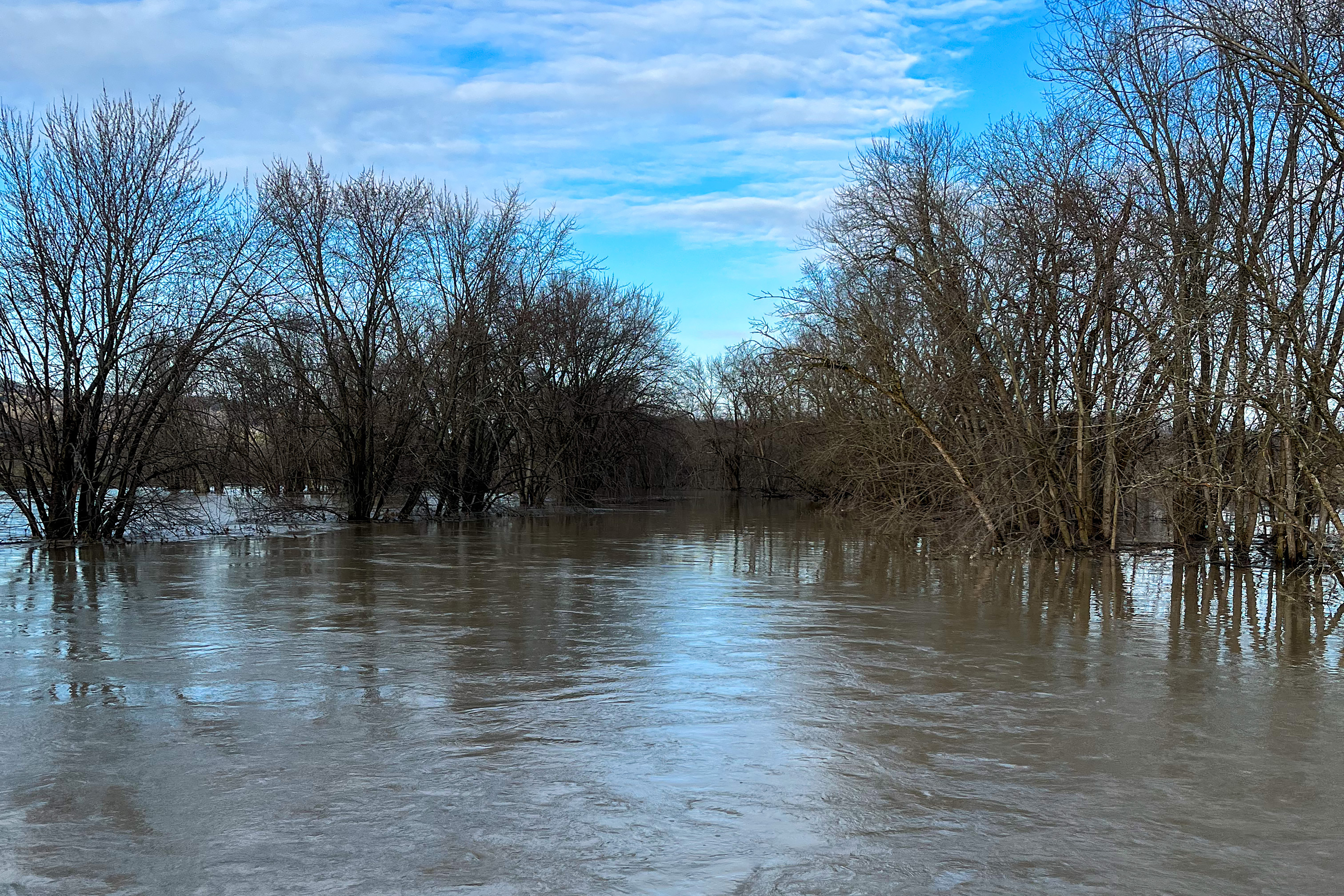
Vermont farmers and communities have experienced a pattern of extreme weather in recent years, from untimely freeze events to catastrophic floods to last year's historic drought. A new white paper released by the Northeast Climate Disaster Relief Network in partnership with Farm Aid addresses how state and federal policies fail to equitably support farmers in the Northeast and proposes coordinated actions elected officials, nonprofits, and philanthropic organizations can take to ensure our region's farms are better able to withstand climate impacts.
The white paper, contributed to by NOFA-VT's Policy & Organizing Director Maddie Kempner, highlights the urgent need to establish and sustainably fund programs like Vermont's Farm & Forestry Operations Security Special Fund, which was passed into law earlier this year but so far left unfunded by the Vermont legislature and Governor Phil Scott.
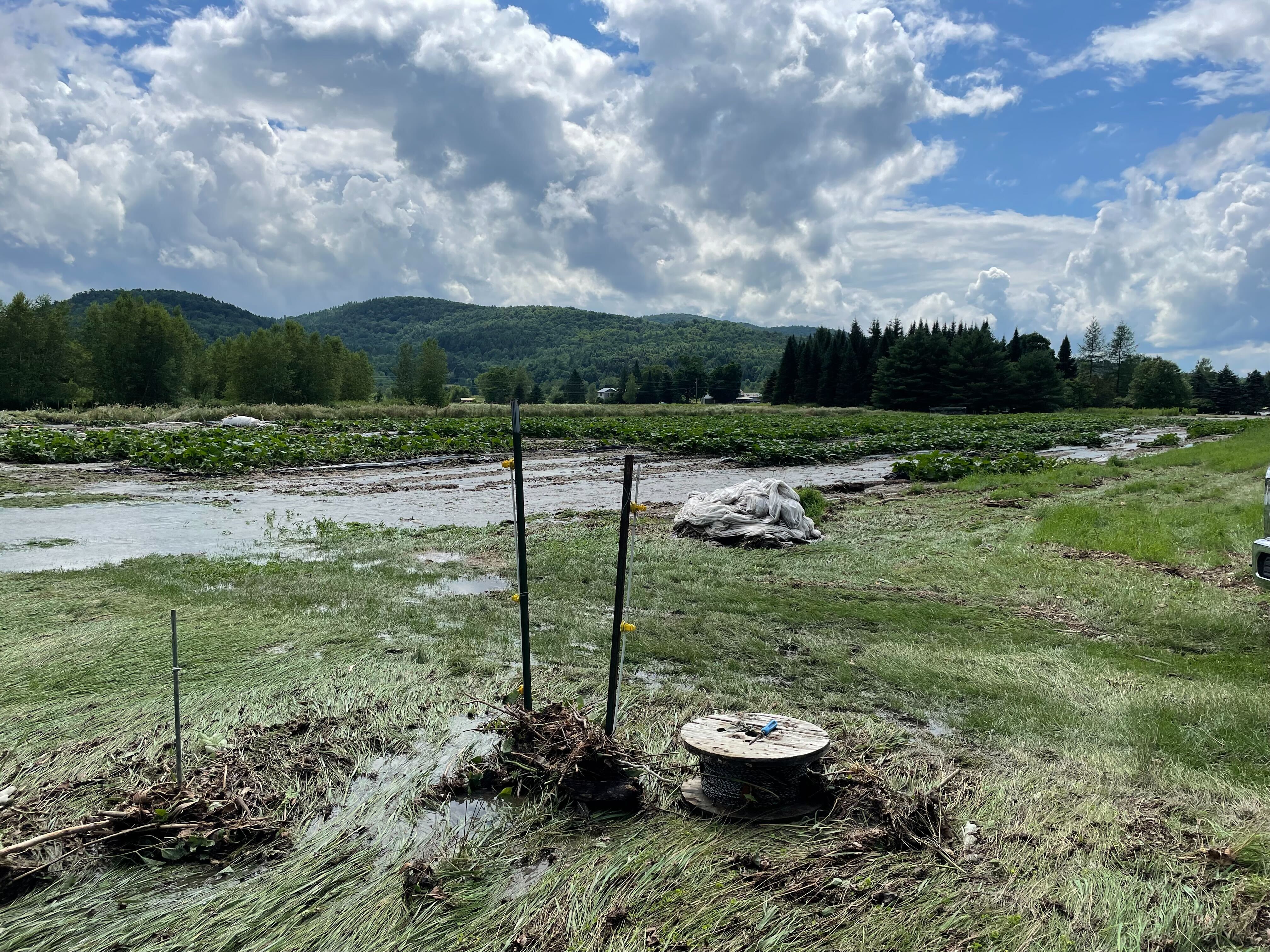
The Northeast Climate Disaster Relief Network is a coalition of agricultural service providers, advocates, and farmers working to ensure that farmers and workers in the Northeast are equitably and effectively resourced before, during, and after climate disasters. According to the report, the U.S. now averages 19 disasters costing more than one billion dollars each year, up from just three per year in the 1980s (Climate Central, 2025). In the Northeast, record floods, heatwaves and rainfall are causing mounting losses, while farmers lack reliable federal aid and timely state support to respond to these pressures; additionally, very few have access to crop insurance.
The white paper highlights how climate disasters are creating compounding impacts across the food system, including crop losses, land and labor loss, supply chain disruption, and an ongoing farmer mental health crisis. It also documents significant gaps in federal disaster assistance and crop insurance programs.
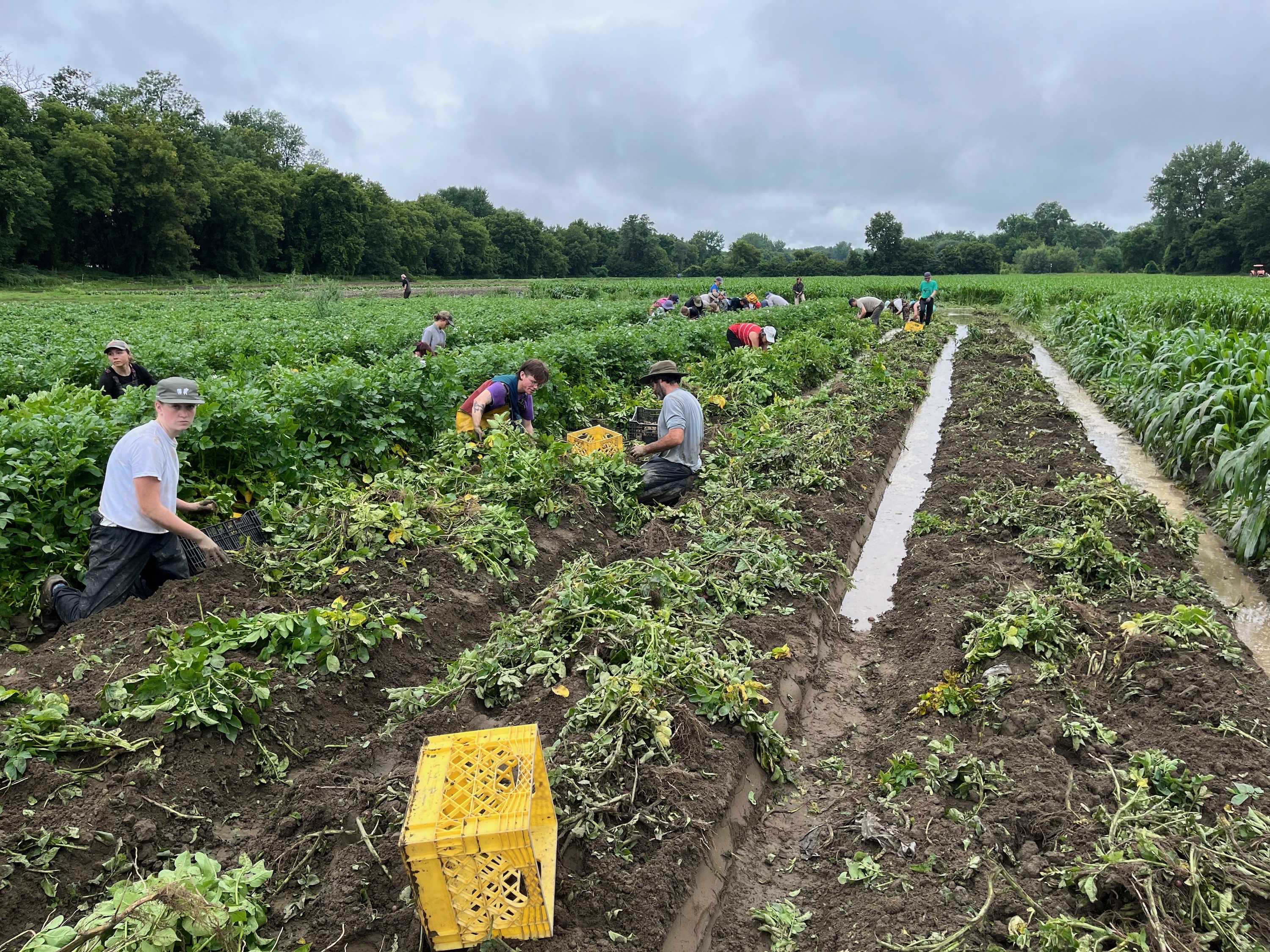
Among the report’s findings:
- According to the latest National Climate Assessment, the Northeast is already warmer and wetter than a century ago, with average temperatures over 2°F higher than in the early 1900s and a significant rise in extreme precipitation events, which are unusually heavy bursts of rain or snow (Cornell University Northeast Regional Climate Center, 2023).
- The National Oceanic and Atmospheric Administration’s (NOAA) database, while authoritative for large-scale disasters, excludes regional floods, hailstorms and frosts that cause hundreds of millions in damage.
- From 2001 to 2022, total indemnity payments for the five primary weather-related causes (drought, excess rain, hail, heat and freeze) reached $118.7 billion nationwide.
Climate disasters disproportionately impact Black, Indigenous and People of Color farmers, farmworkers and other historically underserved communities.
The report outlines a roadmap for building a stronger agricultural disaster response system, including establishing permanent state-level disaster relief funds, reducing barriers to assistance, investing in climate resilience, and ensuring that farmers and farmworkers are included in the process to shape the programs intended to support them.
Executive Summary
A Region Under Pressure
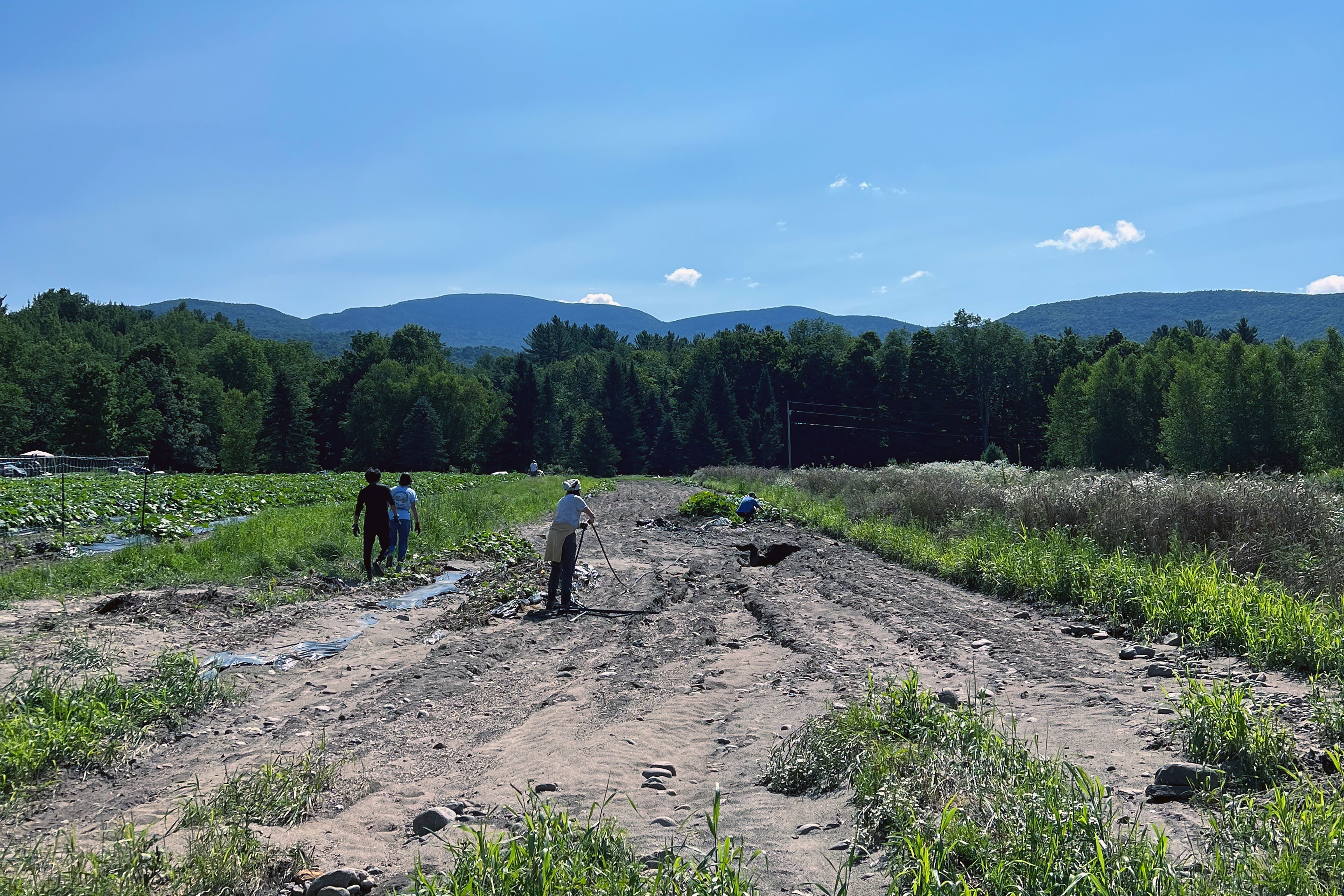
Climate disasters are reshaping agriculture in the Northeast faster than existing systems can adapt: floods, heat, drought, and sudden storms are arriving more often and with greater force. Meanwhile, farmers lack adequate insurance, reliable federal aid, or timely state support to respond to these pressures. Small and diversified farms—the backbone of local and regional food systems—as well as rural communities and economies are especially exposed. The United States now averages 19 disasters costing more than a billion dollars each year, up from just three per year in the 1980s (Climate Central, 2025). In the Northeast, record floods, heatwaves, and rainfall are causing mounting losses and compounding vulnerabilities.
Compounding Impacts Across the Food System
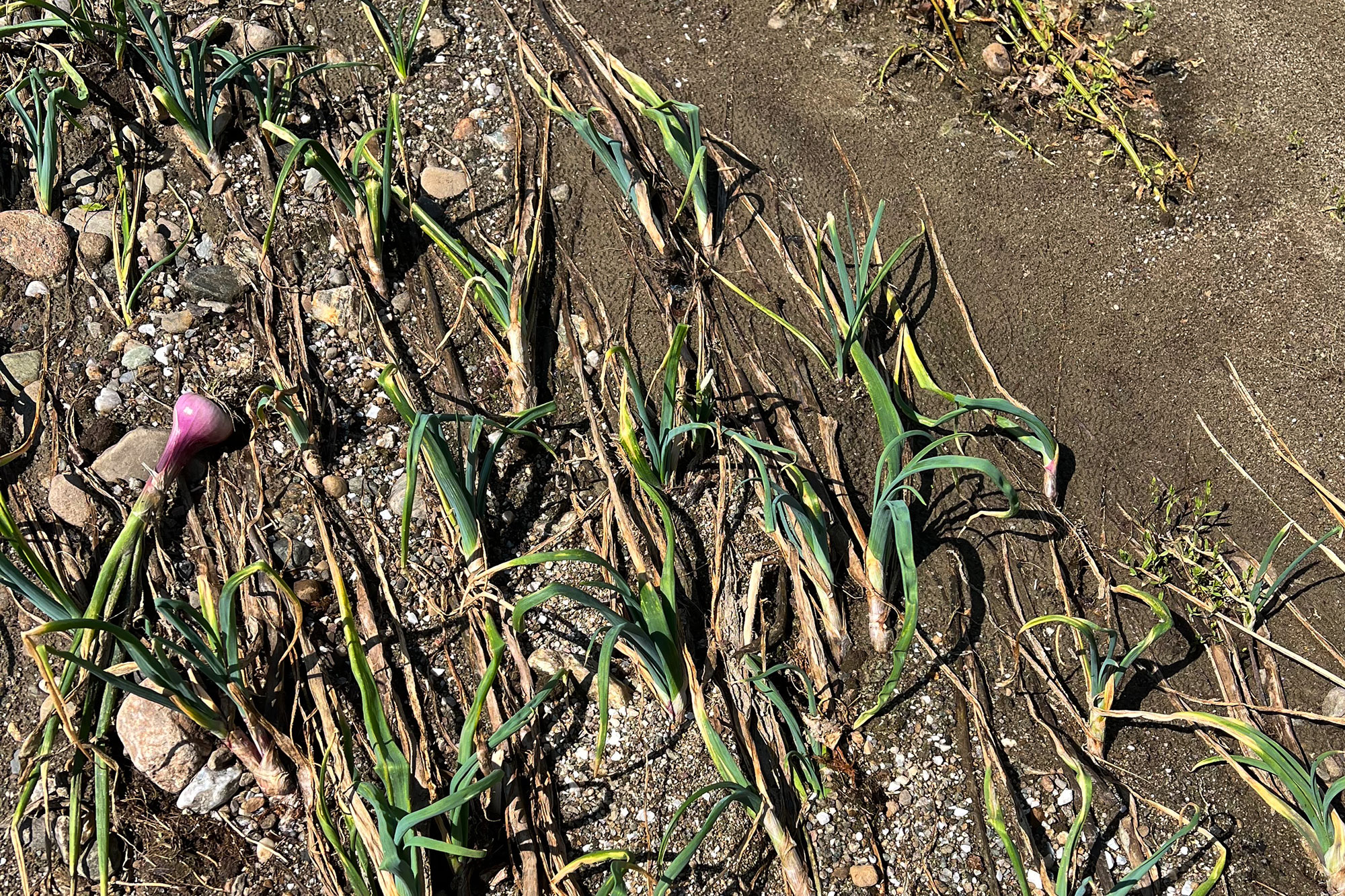
- Economic fallout: Crop destruction, infrastructure damage, and higher insurance costs are eroding farm finances and rural economies.
- Unrecorded losses: Many smaller, locally devastating events never meet federal disaster thresholds, leaving farms ineligible for aid despite severe damage.
- Land and labor stress: Farmers face impossible choices between farming fertile but flood-prone soils or abandoning them altogether. Farmworkers contend with extreme heat, unstable hours, job loss, and rising health risks.
- Supply chain disruption: Floods and contamination damage crops, facilities, and storage infrastructure, rippling through markets and impacting consumers.
- Mental health crisis: Repeated climate-related losses, financial strain, and uncertainty are driving high levels of stress, self-harm, and suicide risk among farmers and farmworkers.
A Safety Net That Leaves Too Many Behind
Federal safety nets have not kept pace with these realities.
- Crop insurance gaps: The United States Department of Agriculture’s (USDA) Whole Farm Revenue Protection and Noninsured Disaster Assistance Program (NAP) do not adequately meet the needs of the Northeast’s diversified and small farms.
- Slow, uneven disaster response: Federal Emergency Management Agency (FEMA) declarations and USDA relief processes are inconsistent, delayed, and often inaccessible to small producers.
- Ad hoc programs: Temporary USDA disaster programs can take months to deploy and often restrict eligibility to insured farms, leaving many producers without help.
- Socioeconomic and racial disparities in disaster vulnerability: Disasters deepen longstanding socioeconomic and racial inequities in agriculture, as historic and ongoing discrimination, limited land and capital access, and systemic barriers to USDA programs leave lower-income, resource-constrained, and Black, Indigenous, and people of color (BIPOC) farmers less prepared for, less able to respond to, and less able to recover from climate-related disasters. States and nonprofit organizations are showing what responsive, farmer-centered relief can look like.
- State programs: Vermont’s Business Emergency Gap Assistance Program (BEGAP) and state-level implementation of the federal Farm Recovery and Support Block Grant (FRSBG) represent promising steps toward faster, more flexible state-level recovery.
- Community-based models: Network-led relief efforts in Oregon and New England demonstrate that trusted local organizations can deliver targeted assistance quickly and equitably.
- Prevention and resilience: Investing in conservation, technical assistance, climate mitigation practices, and farm infrastructure reduces future losses, but agencies such as the USDA’s Natural Resources Conservation Service (NRCS) and Farm Service Agency (FSA) that have a mandate to enable such investments face serious staffing shortages that limit impact. Massachusetts’ Climate Smart for Agriculture Program grant is one example of a state climate resilience program filling in some of these gaps.
Emerging Solutions
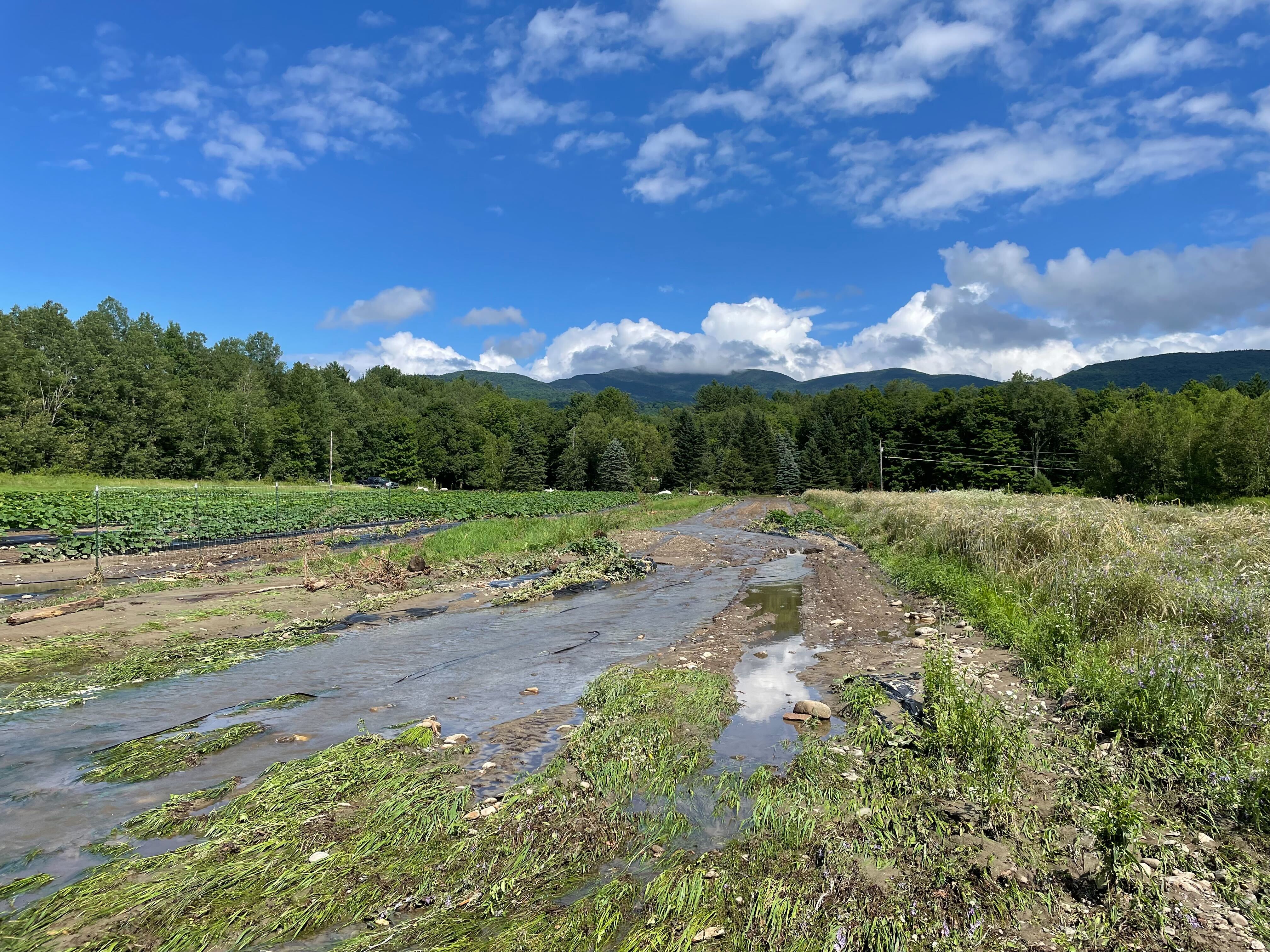
States and nonprofit organizations are showing what responsive, farmer-centered relief can look like.
- State programs: Vermont’s Business Emergency Gap Assistance Program (BEGAP) and state-level implementation of the federal Farm Recovery and Support Block Grant (FRSBG) represent promising steps toward faster, more flexible state-level recovery.
- Community-based models: Network-led relief efforts in Oregon and New England demonstrate that trusted local organizations can deliver targeted assistance quickly and equitably.
- Prevention and resilience: Investing in conservation, technical assistance, climate mitigation practices, and farm infrastructure reduces future losses, but agencies such as the USDA’s Natural Resources Conservation Service (NRCS) and Farm Service Agency (FSA) that have a mandate to enable such investments face serious staffing shortages that limit impact. Massachusetts’ Climate Smart for Agriculture Program grant is one example of a state climate resilience program filling in some of these gaps.
From Analysis to Collective Action
Building a more durable disaster response system for Northeast agriculture will require coordinated action across government, philanthropy, and civil society. This paper calls on stakeholders to work together to:
- Establish predictable, state-level disaster funding that complements federal programs and can be deployed quickly.
- Design flexible relief and resilience programs that reflect the diversity of farm size, crop mix, and labor arrangements in the region.
- Reduce administrative barriers through simpler applications, faster payments, and clearer communication.
- Ensure meaningful participation by farmers and farmworkers, particularly those from BIPOC-led and frontline communities, in program design and oversight.
- Pair disaster relief with long-term resilience and mitigation investments so farms are better prepared for both acute shocks and slow-moving climate stressors.
- Address structural inequities in disaster preparedness and relief potential by expanding equitable access to land, capital, credit, and technical assistance— prioritizing BIPOC and economically marginalized farmers through targeted funding, non-predatory lending, and culturally relevant, community-led programs that strengthen long-term resilience and recovery capacity.
The future of farming in the Northeast depends on disaster programs that reflect today’s realities: smaller farms, diverse crops, socioeconomically and racially diverse current and aspiring farmers, and a volatile climate. The framework is emerging across a variety of sectors, but lasting resilience will require sustained coordination, shared learning, and steady investment.