June 11, 2026
As another Vermont legislative session wraps up, we are reflecting on this year's successes and opportunities.
Below are updates on the priority campaigns we led, the policies we helped shape, and several key bills we tracked and engaged with throughout the session. While there is still much work ahead, these outcomes demonstrate the power of organized communities working together to create a more resilient, equitable, and sustainable food system.
NOFA-VT's State Policy Campaigns:
Passing the Farm Security Fund and Advocating for Funding
We broke new ground in supporting farmers as they navigate the impacts of extreme weather. Together, with the hard work of coalition partners, legislative allies, and NOFA-VT members, we passed S.60, which you may know by its original name, The Farm Security Fund. The official title of this legislation—The Farm & Forestry Operations Security Special Fund—is now Act 78, creating a framework to provide meaningful support to farmers facing the impacts of the climate crisis.
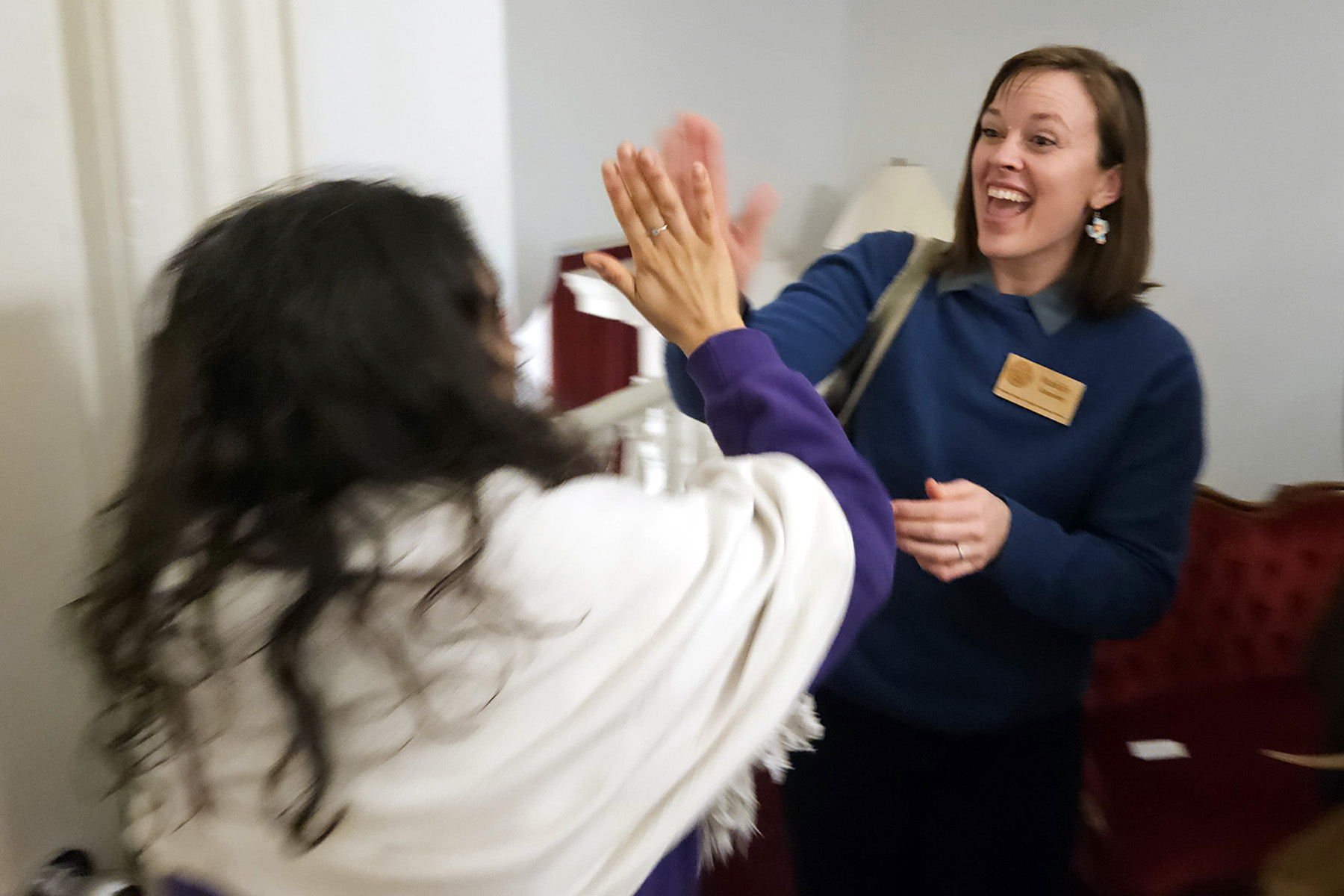
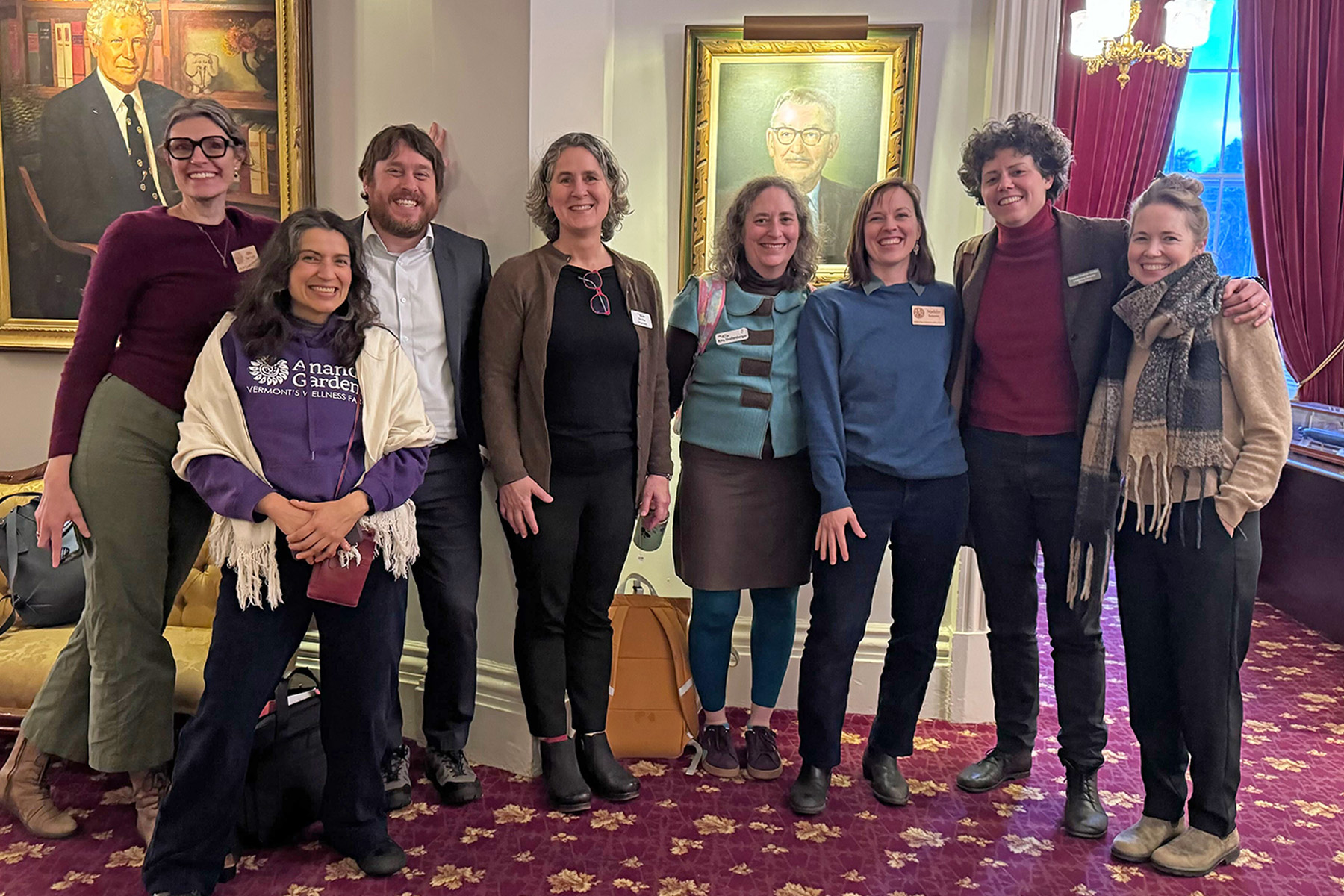
The new law positions Vermont to quickly distribute future federal disaster funding, but our ultimate goal is dedicated state funding. While the Legislature did not appropriate funding this year, we made significant progress. Many NOFA-VT members and allies submitted testimony, contacted legislators, and even traveled to the State House to advocate for this investment.
In the final days of the session, when we hoped a few people might respond to an emergency action alert and contact the six legislators negotiating the state budget, 63 of you took action. That incredible response helped move us closer to our goal and strengthened our case for future appropriations. Stay tuned—we'll need your voices again!
A Win for Local Food Security
We are excited to share that the Vermont FY27 budget will include $350,000 for NOFA-VT’s Local Food Security Programs—enough to fund Farm Share, Crop Cash, and Crop Cash Plus.
While this level of funding is less than what is needed to operate the programs at their current capacity, we see it as a meaningful win in a tight budget year. In a challenging fiscal environment, it was particularly impactful to have sustained engagement from low-income shoppers, the farmers producing/selling the food, and our partner organizations in the Vermont Food Security Coalition. People across the state supported these food access programs through testimony at the State House, calls and emails to legislators, comments on the Governor’s budget, and steady encouragement in their communities. In response to this advocacy, the Legislature worked to ensure Crop Cash Plus could continue operating this summer—an effort that depends on state investment.
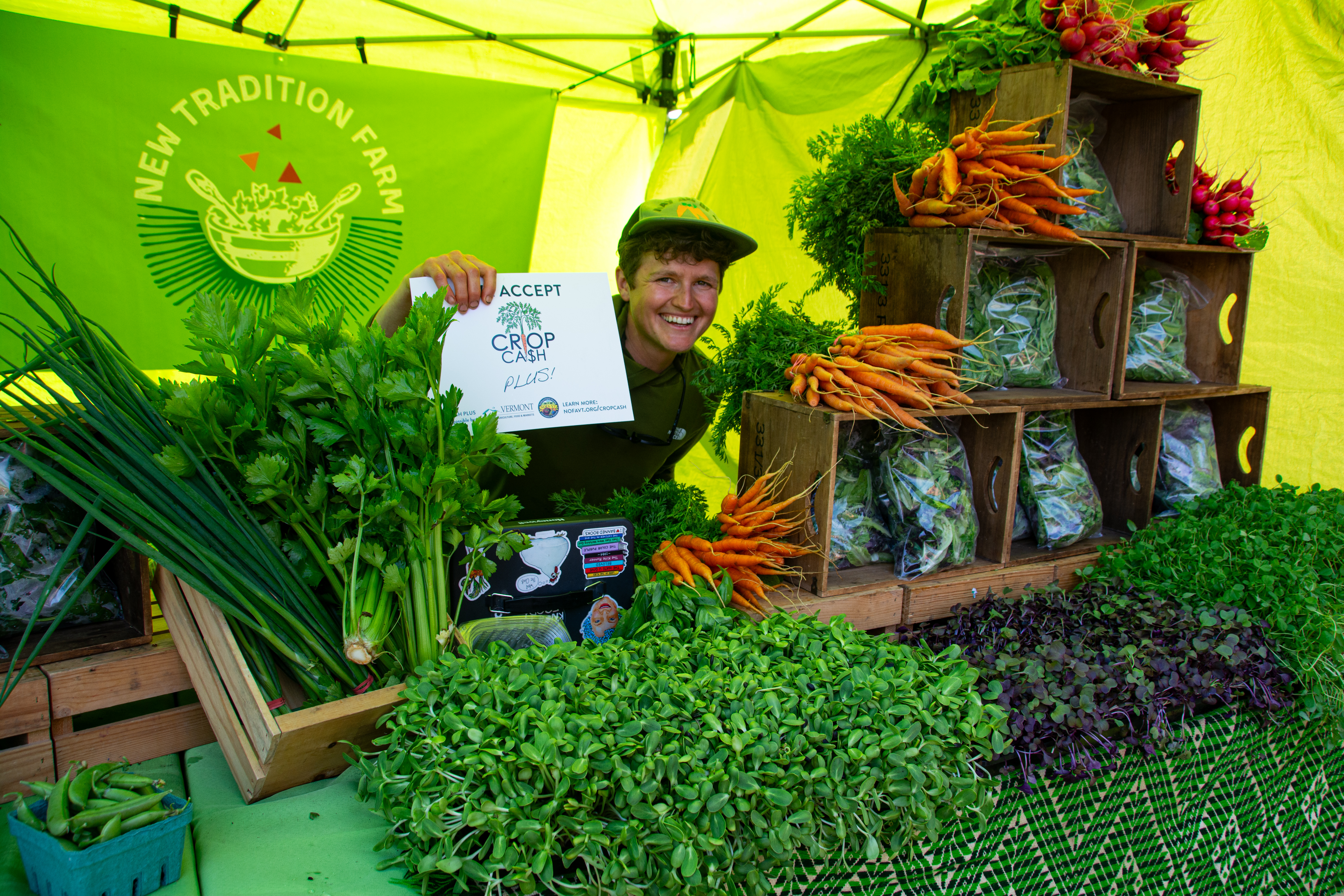
Though it will operate at a smaller scale, the Crop Cash Plus program is slated to restart at farmers markets in July. Building on the Crop Cash produce program, Crop Cash Plus helps SNAP shoppers stretch their food budgets further by purchasing meat, grains, dairy, and other essential foods. The result reflects the strength of collective public engagement in shaping budget priorities.
Other Policies We Engaged With:

Municipal Exemption and the Right to Grow Food
H.941, an Act Relating to Municipal Regulation of Agriculture, passed the House and Senate and has not yet been delivered to the Governor. The bill's primary purpose was to restore Vermont’s longstanding exemption for farming from municipal zoning following the 2025 Vermont Supreme Court's Taft St. decision, which reversed decades of established practice.
At the start of the session, NOFA-VT and our coalition partners advocated for two key outcomes: restoring the municipal exemption for farming to prevent a fragmented patchwork of local regulations layered on top of existing state and federal requirements, and establishing a codified Right to Grow Food in Vermont law, inspired in part by Maine’s Food Sovereignty Act of 2017 and subsequent constitutional amendment recognizing both the right to access and to produce food.
We are grateful that H.941 reinstates the municipal exemption for most farms and includes a right-to-grow-food provision that broadly protects growing plants. At the same time, we remain concerned that the bill allows municipalities to impose arbitrary limits on the number of animals that may be kept in some cases and does not protect the cultivation of cannabis in the same way it protects other plants.
To learn more, check out Rural Vermont Legislative Director Caroline Sherman-Gordon’s VTDigger opinion piece.
Changes to Act 181
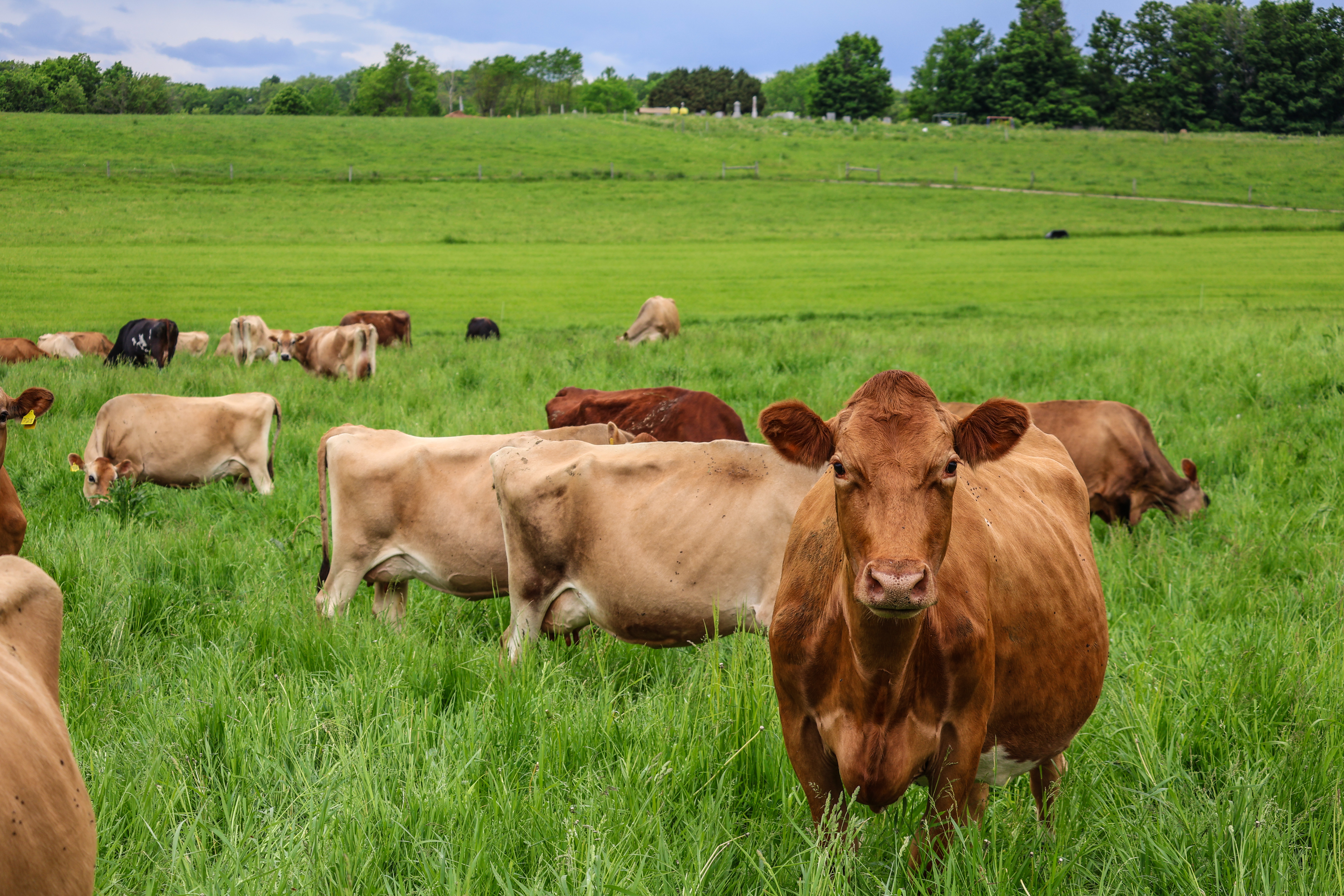
S.325 was a bill that made changes to Act 181, passed in 2024. The final version of S.325 (passed by the House and Senate, though not yet delivered to the Governor) makes major changes to Act 181, including repeal of Tier 3and repeal of the Road Rule, which would have applied new Act 250 jurisdiction based on the presence of critical natural resources and length of new road and driveway construction, respectively. The bill also includes a plan for the development of a public engagement framework intended to gather input from Vermonters on the risks to working lands, what critical natural resources are not well protected by current land use policy and regulatory tools, and on "equitable, efficient and effective regulatory or nonregulatory tools to protect these working lands and critical natural resources and the barriers to land stewardship."
Finally, an amendment was passed on the House floor exempting certain accessory on-farm business activity from Act 250 permitting. Specifically, the final language in the bill exempts from Act 250 "the construction of improvements for an accessory on-farm business of educational, recreational, or social events that feature agricultural practices or qualifying products, or both…" including concerts and farm stays, with certain limitations on the number of units for farm stays, and noise levels and end times for concerts.
NOTE: Our partners at the Land Access and Opportunity Board (LAOB) are planning a process to engage Vermonters on a related, but broader set of questions around what we need from the land, and what it needs from us. We encourage NOFA-VT members to participate in the LAOB process and will share more information with our community when it becomes available.
Speaking Up for Seed Sovereignty
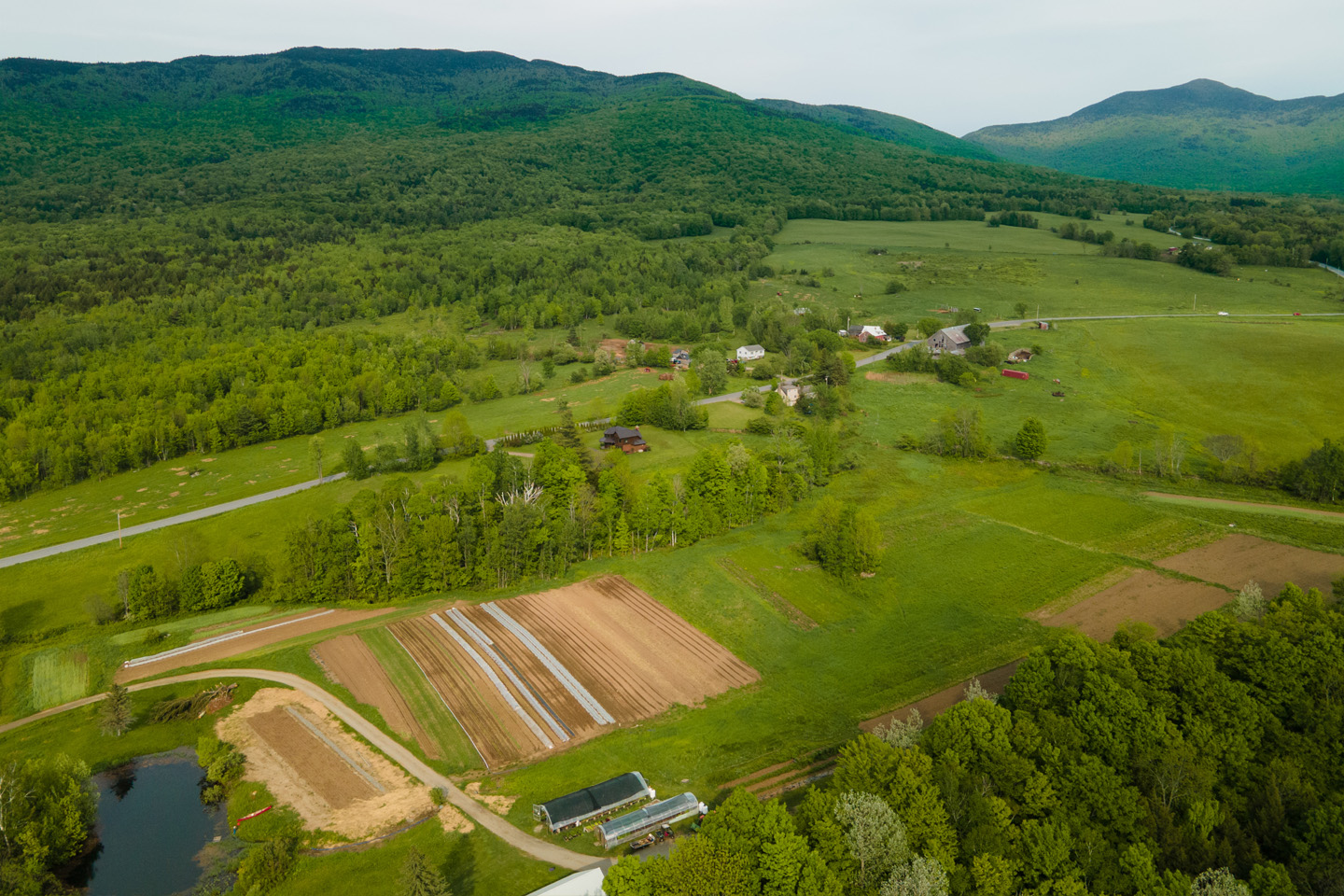
When proposed changes to Vermont seed law threatened to create new barriers to seed sharing, saving, and swapping, NOFA-VT Board Member Alexis Yamashita stepped up to help protect these vital community practices. In a conversation with Grassroots Organizer Jess Hays Lucas, Alexis reflects on her path from seed grower to legislative advocate and shares her vision for advancing seed sovereignty in Vermont.
Learn More and check out Alexis’s Testimony.
Vermont Becomes the First State To Ban Paraquat
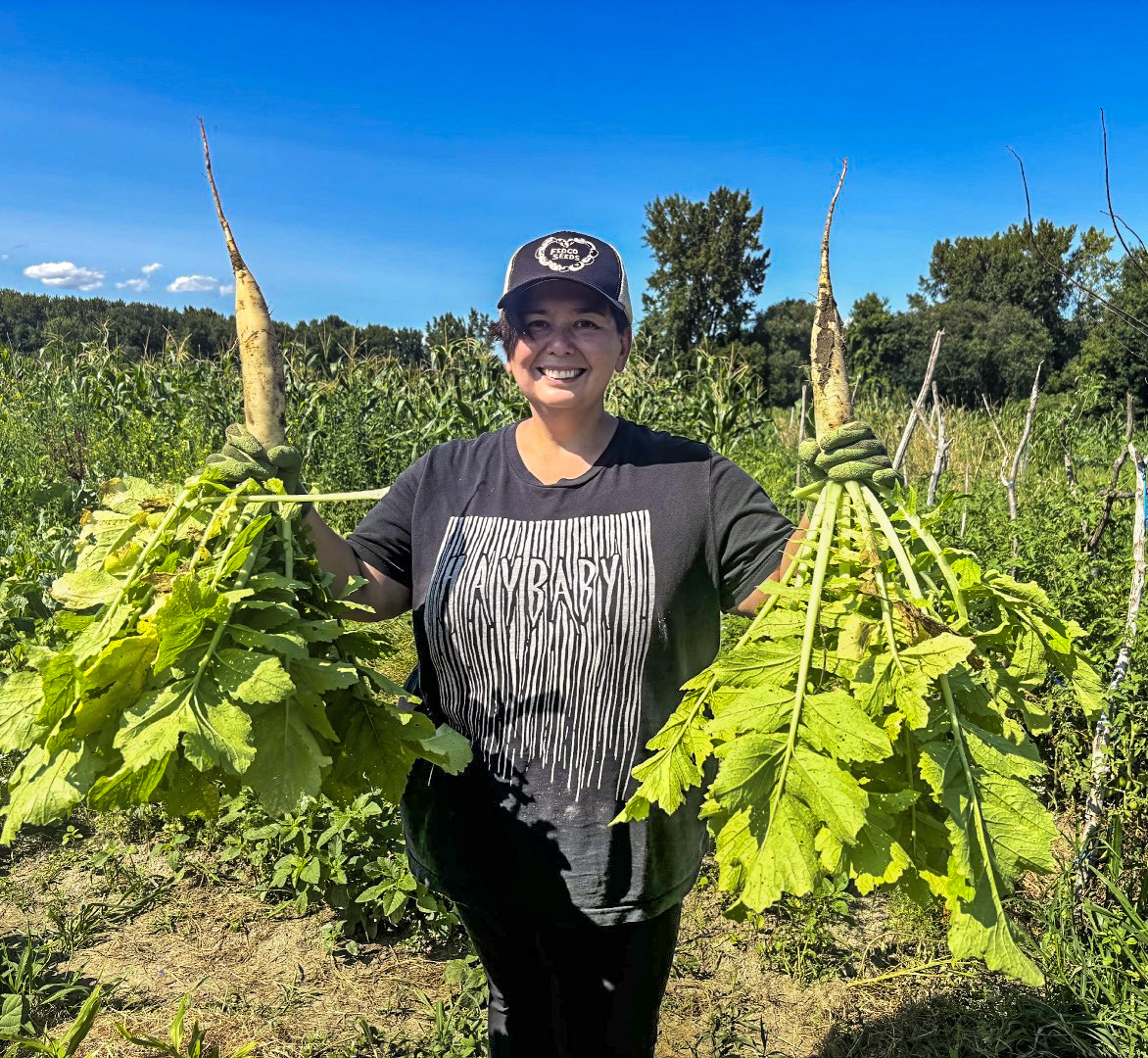
We are excited to share that this legislative session, Vermont became the first state in the country to ban paraquat, an herbicide strongly linked to Parkinson's disease and already banned in more than 70 countries. We're grateful to our partners at VPIRG and Rep. Esme Cole for leading the charge on this important bill (H.739).
While NOFA-VT was not the lead organization on this legislation, we were proud to support its passage by bringing forward the voices of organic farmers, many of whom have grown crops like strawberries for decades without relying on toxic herbicides such as paraquat. Their testimony—and the success of their farms—is a powerful reminder that farming practices that support human and environmental health are both possible and economically viable. Eugenie Doyle, farmer at Last Resort Farm in Bristol, shared in her testimony, "It's not that it's easy to eliminate weeds without some both mechanical [cultivation] and hand weeding, but it very much is possible, and we grow great berries. I have a bumper sticker on the back of my car that says 'Farmers are Health Care Providers,' and I very much believe that. I think basically, as any health care provider, the motto is 'Do No Harm,' and in terms of growing all of our crops, that's kind of our guideline."
While the final bill includes longer phase-out timelines than we would have preferred, it represents an important step toward building the food system we need and deserve.

Community safety: S.208 and S.209
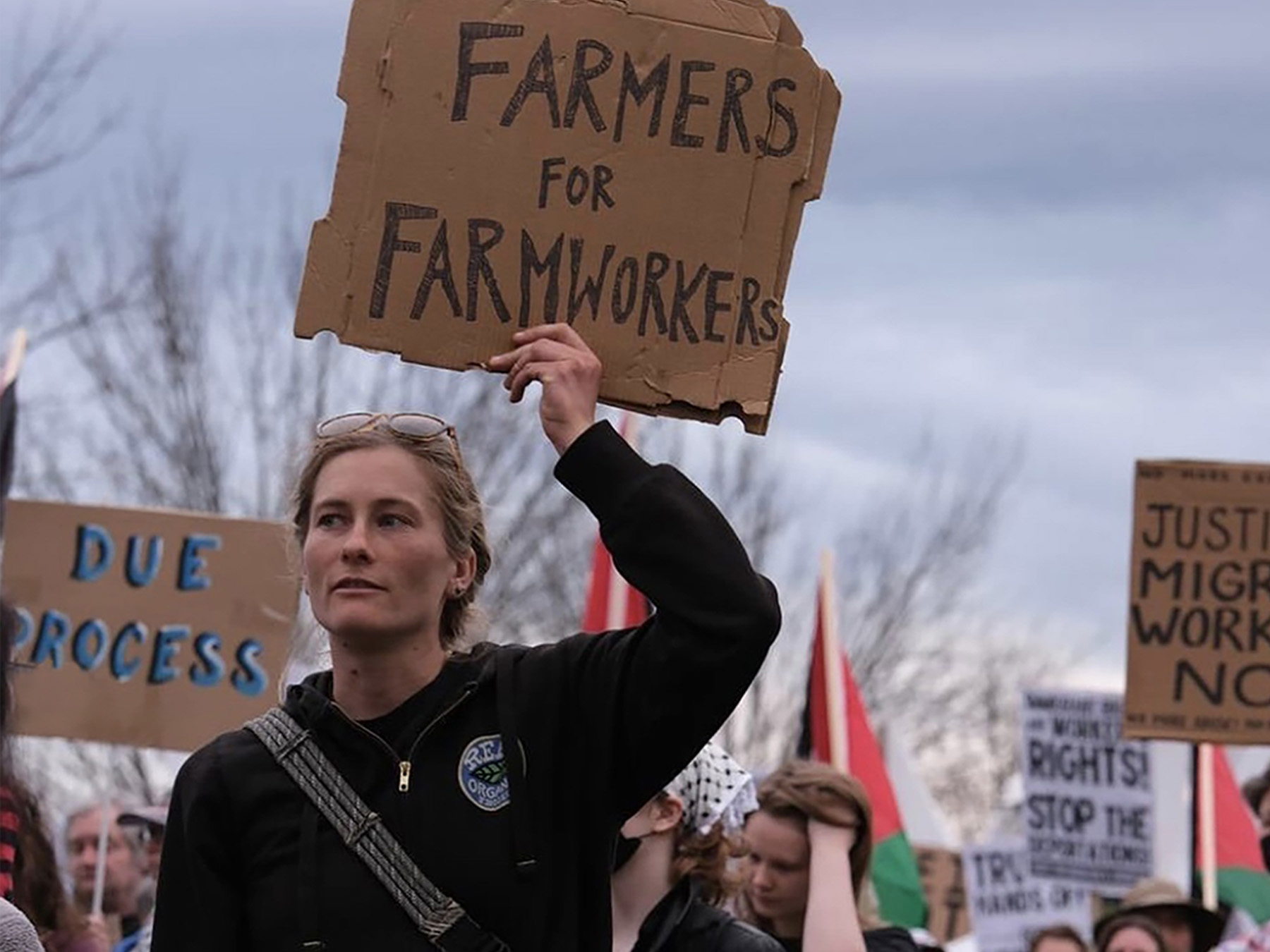
S.208 and S.209 were two bills that were designed to make our communities safer, particularly for people at risk of immigration enforcement.
As introduced in the Senate, S.208 would have required all law enforcement agents–state and federal–to identify themselves by name and agency and would have limited their use of face masks. The House amended S.208 to exempt federal agents from the mask requirement, with Rep. Martin LaLonde, Chair of the House Judiciary Committee, citing concerns that the provision would likely be found unconstitutional by the Second District Court of Appeals. Ultimately, the House and Senate were unable to reach an agreement on a final version of the bill, and did not pass S.208.
The legislature did, however, pass S.209. The bill prohibits civil arrests, including immigration-related arrests, in and while traveling to or from certain public and government-owned locations, including schools, healthcare facilities, polling places, public libraries, and places of worship. The bill is currently on its way to Governor Scott’s desk to be signed into law.
Looking Ahead:
The legislative session may be over, but the work continues. From securing dedicated funding for the Farm & Forestry Operations Security Special Fund to strengthening food access programs, and shaping the future of Vermont's working lands, many of these conversations will continue into next year and beyond.
We are grateful to the NOFA-VT members, farmers, coalition partners, and advocates who made their voices heard throughout the session. Your participation helped shape these outcomes and reminded us of something we know to be true: good policymaking depends on the people most affected having meaningful opportunities to participate. We look forward to continuing this work together.