October 6, 2026
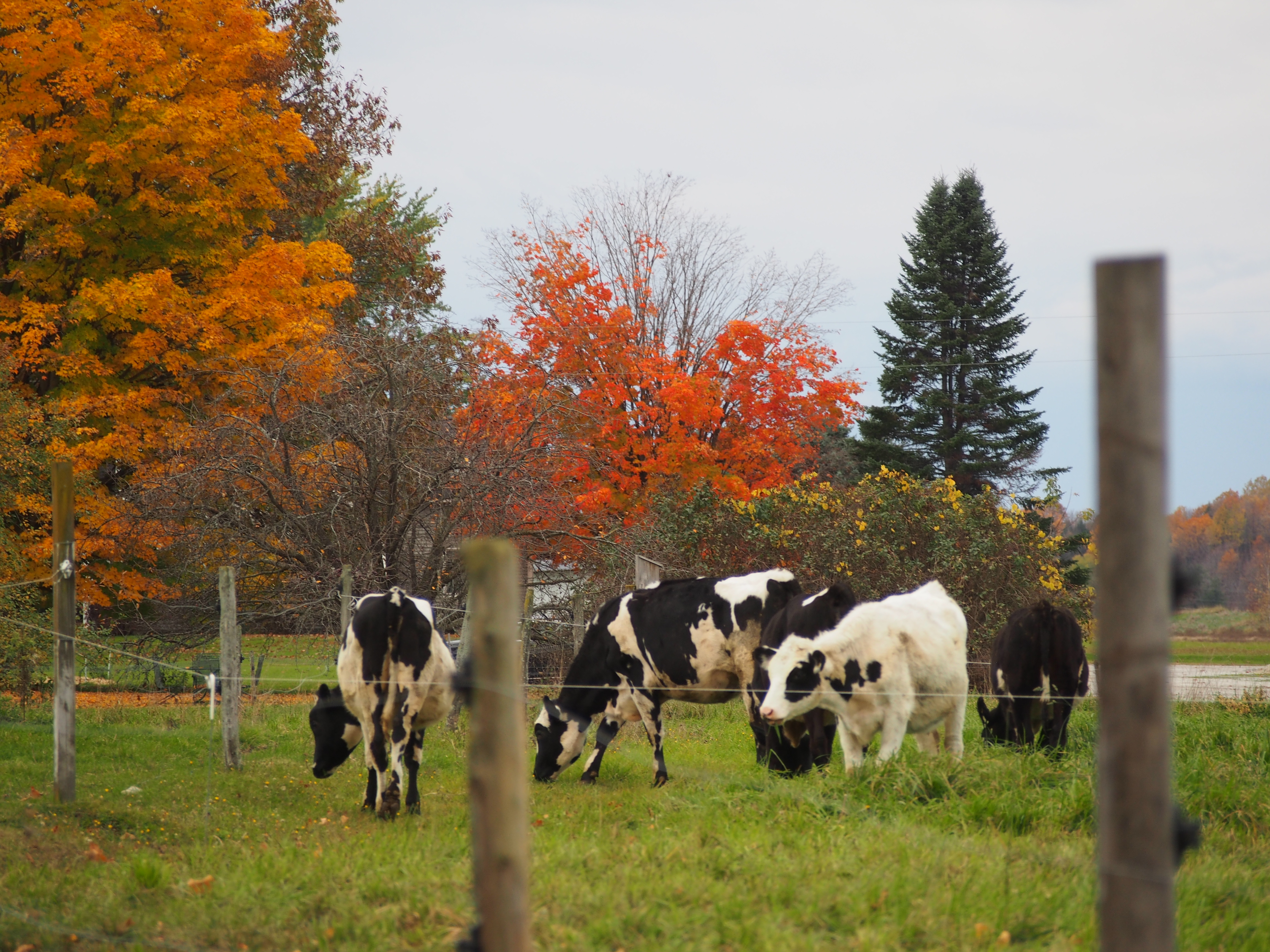
Currently, the dairy sector occupies 80 percent of agricultural land in Vermont. It remains the most economically important component of the state's agricultural sector. In 2025, the state’s dairies maintained 117,000 cows, producing 599 million pounds of milk. Vermont's dairy industry contributes an estimated $2.2 billion annually to the state’s economy and provides 62 percent of the milk consumed in New England. By keeping land open, dairy farms are also a major asset to tourism, which is the leading economic driver of the state’s economy. If it weren’t for dairy farms, Vermont would look less like a Norman Rockwell painting and more like the deep woods of northern Minnesota. But the red barn with black-and-white cows standing in a green field has become an anachronistic icon fronting for an ever-consolidating industrial model of dairy farming.
Today, the dairy industry is undergoing an accelerating trend of consolidation, with a concomitant loss of small and mid-sized farms. But the trend isn't entirely new: this sector has been on the ropes since the farm crisis of the early 1980s. In 1950, there were more than 11,000 dairies in Vermont. Back in 1975, when you could still earn a middle-class income as a Vermont dairy farmer, the state had 5,000 dairies. By the end of 2010, the number was down to just over 1,000. Today, we have approximately the same number of cows and milk output as in 1975, but fewer than 400 farms left.
If we continue with business as usual, we are doomed to remain in a spiral of soil degradation and loss of small family farms. Our farms will be unable to cope with supply chain disruptions and will be increasingly vulnerable to climate extremes. Right now, the average age of a dairy farmer in Vermont is 63. Under current conditions, there is no viable path for a next generation to take up the mantle of the small family farm, let alone for new farmers to gain access to land and credit. If agriculture is to continue to operate within the free market, it will require reforming the misguided subsidies that encourage farms to increase production. At the same time, a just transition in the dairy sector will require built-in safety nets to ensure that land caretakers are no longer forced to cut corners, expand their operations, and use extractive, degenerative practices just to stay solvent in the short term.
Dairy farmers invest enormous amounts of capital in equipment, infrastructure, inputs, and labor. We cannot expect farmers who are forced to carry substantial annual and long-term debt to be innovators and risk-takers. They have seen profit margins flatline for 50 years while operating costs have skyrocketed. Meanwhile, equipment manufacturers and purveyors of copyrighted seeds, fertilizers, and pesticides rake in record profits. Added to this, the major purchasers of fluid milk, like Dairy Farmers of America (DFA) cooperative, have invested heavily in a vertical integration model and become major processors of dairy products. Giant consolidated co-ops like DFA are now farmer-owned in name only. In fact, their investment in processing puts them at odds with their farmer members, because the signature way they keep their processing costs down is to keep the price of milk paid to farmers perennially depressed. DFA claims to be addressing climate change by promoting dairy practices that make more milk from less feed, and as they push farmers to keep producing more, they keep the markets flooded and the price paid to farmers low.
Meanwhile, Vermont’s dairy processing sector has announced a wave of closures in recent months—the most recent being the DFA plant in St. Albans—resulting in the loss of 80 union jobs. Big dairy consolidates to improve shareholders’ bottom line, while abandoning local communities and farms.
On the bright side, the conventional dairy sector offers our greatest opportunity to transition to organic, regenerative practices that can draw down carbon, restore aquifers, enhance biodiversity, provide meaningful livelihoods, and ensure food security. On a global scale, agriculture accounts for roughly one-third of greenhouse gas emissions, with the dairy sector responsible for an estimated 14 percent of agriculture’s share. Transitioning conventionally managed dairy acres to organic, regenerative, and agroecological practices will have significant impacts in reducing climate pollution and environmental contamination.
Almost all legislative efforts to address climate change and reduce greenhouse gas emissions focus on transportation, renewable power, and energy efficiency. For a rural state like Vermont, this is an incomplete and anthropocentric approach. With our abundance of undeveloped landscape, solutions that leverage and support our farms and forest land represent a huge and too often neglected opportunity to mitigate and heal the land. Our agriculture and forestry sectors are crucial to real long-term sustainable solutions and should be prioritized in any comprehensive legislation addressing climate change.
A 2,500-head confinement dairy produces the equivalent amount of raw manure that a city of 400,000 people produces in raw sewage waste. By shifting to a grazing model, nitrous oxide from chemical fertilizer and methane belches from thousands of concentrated cows could be reduced and eventually eliminated. With a grazing herd, 100 percent of manure is recycled as a valuable bio-digestible soil amendment, either while the cows are grazing or in the form of compost applied to pasture and crops. Studies have shown that well-managed grazing herds can sequester more carbon than they emit.
For decades, state and federal governments’ response to the crisis in the dairy industry has been to fund projects that prop up the existing model of perpetual expansion and consolidation. Instead, dairy farmers need viable pathways to reduce their herds, get them back out on the land grazing, and diversify their operations, including by integrating silvopasture systems. Elements of agroforestry can be integrated into annual cropping systems, with perennial fruit and nut crops enhancing diversity, resilience, and profitability. All these incentives aim to re-establish a regional food system, to be served by regional processing plants and food hubs. In the process, the food dollars of our region’s eaters would go to our region’s farmers and food service workers, ensuring healthy nutrient-dense food for the population, a living wage for farmers and farm workers, and healthy ecosystems for our children.
The original New Deal in the 1930s had many flaws and built-in inequities along economic and racial divides. For instance, it excluded agricultural and domestic workers from receiving an established minimum wage. But it was the closest we've come to a successful democratic populist revolution in this country. The programs of that era offer a template for us to build upon. The New Deal sought to guarantee that any farmer willing to apply themselves to the work of tending the land could earn a living wage through a variety of initiatives that stabilized prices of agricultural products and reduced oversupply.
This past June, the office of Senator Peter Welch (D-VT) announced the introduction of a bill designed to transform the dairy sector that echoes some of those New Deal-era reforms, titled the Milk from Family Dairies Act (MFDA). The prototype for this legislation was initially drafted by the National Family Farm Coalition (NFFC) over a decade ago. Since then, NFFC and its member organizations (including NOFA-VT) have been lobbying Congress in support of the adoption of this legislation. The MFDA would radically reform the dairy sector through a non-monetized national quota system, granting incentives to support small and mid-size farms and offering large farms incentives to reduce herd numbers, thereby deconsolidating and reversing the trend toward CAFO-style operations. The bill articulates three main prongs:
- Ensure market transparency and fair pricing for family dairy farmers.
- Maintain reliable consumer access to reasonably priced dairy products.
- Revitalize rural communities by supporting farms that milk fewer than 200 cows, which have been hit hardest by consolidation and price volatility.
Vermont has the highest percentage of organic dairy farms of any dairy state. Unlike the original NFFC draft, Welch’s version of the MFDA primarily focuses on conventional farms because he has already promoted similar reforms for organic under the Organic Dairy Assistance, Investment, and Reporting Yields (O DAIRY) Act, reintroduced in 2025. But there are important supports in MFDA for conventional and organic dairies alike.
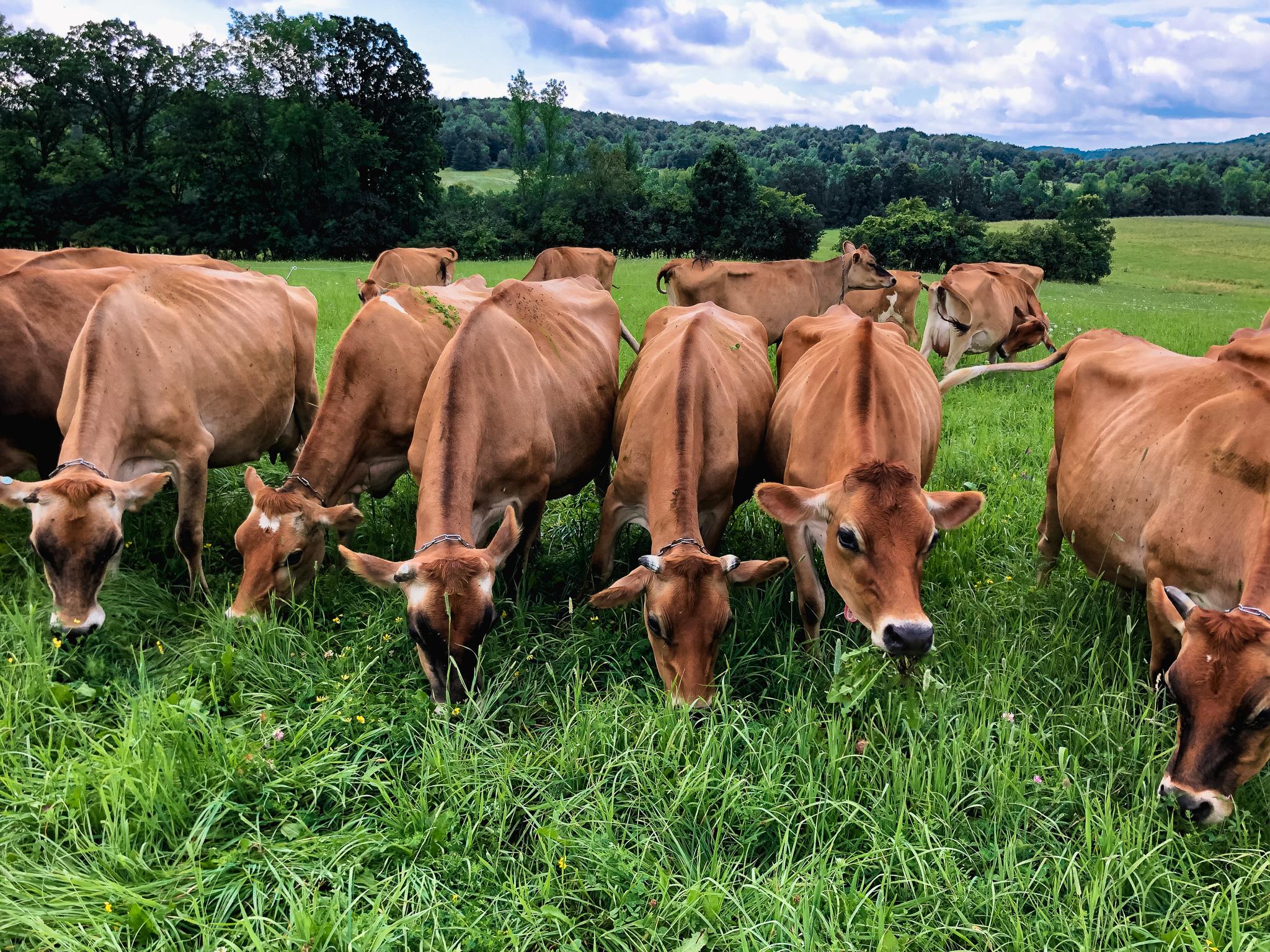
We can improve farm income and help save the planet by leveraging the system to pay incentives to land caretakers who embrace organic, regenerative, and agroecological practices. These practices can sequester carbon, protect air and water quality, eliminate pesticide use, transition from fossil fuels, and increase food security. If we transition all agricultural land to these systems, we can begin reversing the effects of a warming climate within ten years. It’s not a matter of getting rid of cows—it’s a matter of adding back everything else and allowing them to get back to grazing on pasture where they can do the most good. This kind of farming is management-intensive and requires more human labor, but that can translate into an era of opportunity for many more future farmers.
If agriculture is to play a significant role in the State of Vermont's legal mandate to reduce greenhouse gas emissions, the dairy sector must undergo a just transition and adopt organic, regenerative soil health management practices. The MFDA is a promising first step in that direction. In the process, we can also bring resilience back into our food system and restore vital ecological functions to our landscapes. The convergence of the climate crisis and the dairy crisis presents us—citizens, eaters, and most especially farmers—with an opportunity to begin the grand adventure of transitioning our farms and forests to organic and agroecological management.
Imagine a world where environmentally friendly farming is supported by society in the same way we currently support essential workers such as firefighters, first responders, and the National Guard. A society in which the health of soil and the sanctity of biodiversity are considered the only true sources of national wealth and security.